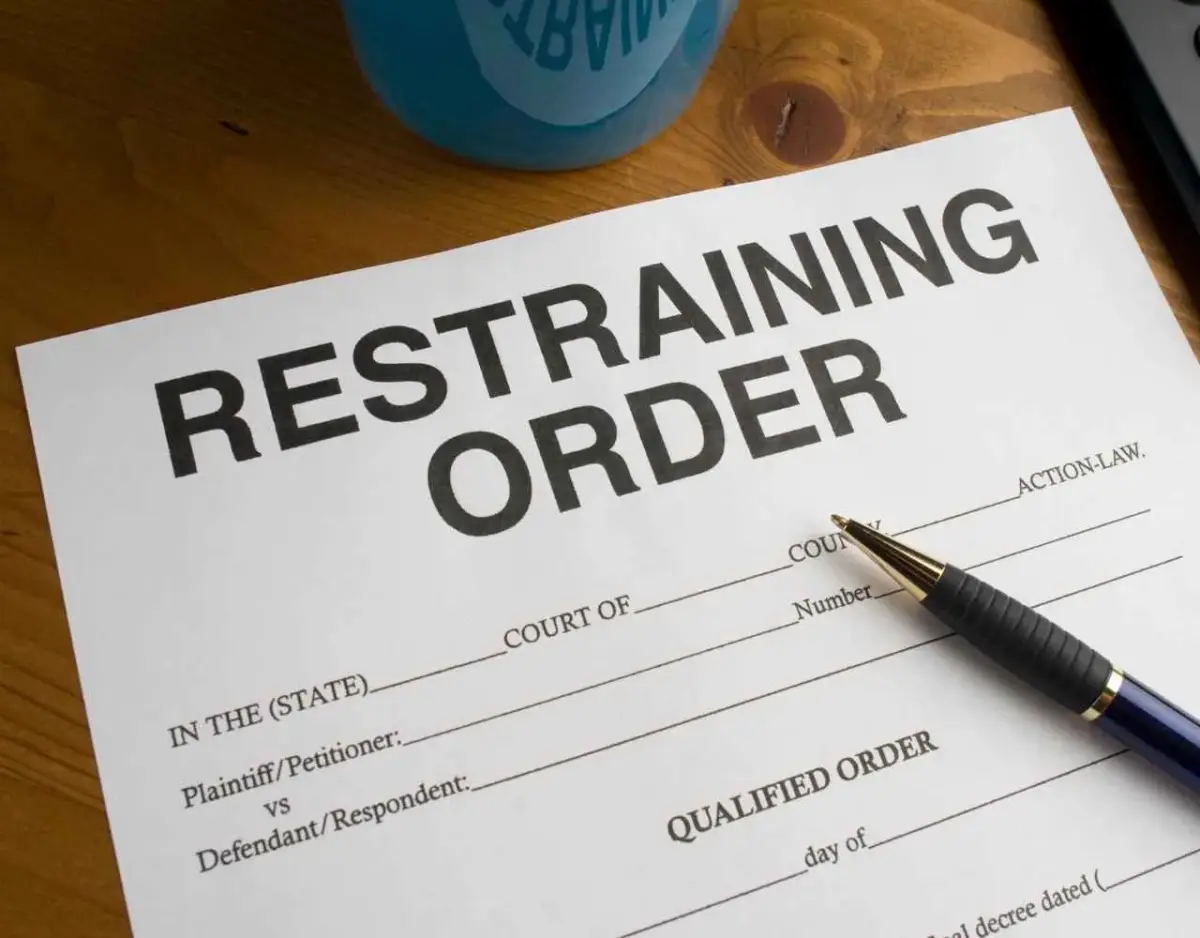
Facing domestic violence charges in Anderson County, South Carolina, can be overwhelming, frightening, and life-altering. These cases move fast, involve intense emotions, and can lead to an arrest, strict bond conditions, and long-term consequences that reach far beyond the courtroom.
If you are asking yourself, “Do I need a lawyer for a domestic violence charge?”, it is usually wise to speak with one early. A criminal defense attorney can explain the charge, protect your constitutional rights, and help you understand your options under South Carolina domestic violence law. This page is general information, not legal advice. A licensed South Carolina attorney at the firm must review the facts of your case before you rely on it.
Domestic Violence Charges in Anderson, SC, Are Serious Criminal Matters
South Carolina treats criminal domestic violence (CDV) as a serious offense, and the penalties depend on the degree of the charge. An officer may arrest, with or without a warrant, a person the officer has probable cause to believe is committing or has freshly committed domestic violence, even if the act did not happen in the officer’s presence (S.C. Code Ann. § 16-25-70(A)). The arrest does not depend on the alleged victim asking for it.
After an arrest, the court that sets bond can place conditions on your release, including restrictions on your travel, association, and place of abode (S.C. Code Ann. § 17-15-10(A)). In practice, that can mean a no-contact condition or an order to stay away from a shared home. A separate family court restraining order or order of protection may also be requested. The charge is brought by the State rather than by the person who made the report (S.C. Const. art. V, § 24), so an accuser’s wish to stop does not by itself end a case.
A conviction can lead to jail time, fines, limits on firearm possession, and a criminal record that can appear on employment, housing, and other background checks.

Why Legal Representation Matters in a Domestic Violence Case
Domestic violence allegations are not handled like routine criminal charges. These cases frequently involve heightened emotions, incomplete information, and one-sided assumptions made in the early stages of an investigation.
Many people search for a lawyer for DV near me because the consequences are immediate and disruptive. Having an attorney involved early can help you avoid mistakes with statements, contact, and bond conditions.
Learn More: Do You Need a Lawyer for Domestic Violence Charges in South Carolina?
Domestic Violence Laws in South Carolina
South Carolina’s criminal domestic violence statute makes it unlawful to cause physical harm or injury to a person’s own household member, or to offer or attempt to cause physical harm or injury to a household member with apparent present ability, under circumstances reasonably creating fear of imminent peril (S.C. Code Ann. § 16-25-20(A)).
A “household member” is a spouse, a former spouse, a person with whom you have a child in common, or a male and female who are cohabiting or formerly have cohabited (S.C. Code Ann. § 16-25-10). In Doe v. State, Opinion No. 27728 (S.C. Nov. 17, 2017), the South Carolina Supreme Court declared that definition unconstitutional as applied to an unmarried same-sex couple who lived together, and held that the family court may not use it to keep people in similar relationships from seeking an order of protection. The Court did not rewrite the statute, and the Code still reads “a male and female,” so whether a particular relationship is covered in a criminal case is a question for an attorney.
The degree of the charge depends on the facts. For example, prior domestic violence convictions within ten years, moderate bodily injury, an offense committed in the presence of a minor, or impeding the alleged victim’s breathing can raise the degree, and a firearm used in any manner or great bodily injury can support first degree (S.C. Code Ann. § 16-25-20). Domestic violence of a high and aggravated nature is the most serious charge.
Immediate Consequences After an Arrest
After a domestic violence arrest, the following can affect daily life:
- A bond hearing, which for a charge under Chapter 25 of Title 16 must occur within twenty-four hours after the arrest (S.C. Code Ann. § 22-5-510(F))
- Bond conditions that restrict travel, association, or place of abode, which can include no contact with the alleged victim or staying out of a shared home (S.C. Code Ann. § 17-15-10(A))
- A family court order of protection, if the alleged victim petitions for one (S.C. Code Ann. § 20-4-40)
- Firearm restrictions, which depend on the degree of the charge, the sentence, and any order issued (S.C. Code Ann. § 16-25-30 and 18 U.S.C. § 922(g))
- Additional charges if a protection order, which includes a condition of bond, is violated (S.C. Code Ann. § 16-25-20)
A lawyer can speak to the court about bond terms, ask the court to modify conditions, and help you avoid violations that could lead to new criminal charges.
Long-Term Impact on Your Record and Life
A domestic violence conviction can affect far more than sentencing. It can interfere with employment opportunities, professional licensing, housing applications, and firearm rights. In family court, whether a parent has perpetrated domestic violence is one of the factors a judge considers in a custody decision (S.C. Code Ann. § 63-15-240).
Read more about the long-term impact of a domestic violence conviction as you decide how to respond to a charge.
Types of Domestic Violence Charges in Anderson, SC
South Carolina grades criminal domestic violence into degrees. Each degree carries different penalties and requires a defense strategy tailored to the specific allegations and evidence.
Domestic Violence in the Third Degree
Third degree is the base offense described in § 16-25-20(A). It is a misdemeanor punishable by a fine of $1,000 to $2,500, up to 90 days in jail, or both, and it may be tried in summary court (S.C. Code Ann. § 16-25-20(D)). A third-degree charge is eligible for pretrial intervention under the statute, although admission is not automatic and a person with a prior conviction under that chapter cannot be considered (S.C. Code Ann. § 17-22-50).
Domestic Violence in the Second Degree
Second degree applies in situations such as moderate bodily injury, one prior domestic violence conviction in the past ten years, or a violation of a protection order while committing third-degree domestic violence. It also applies when a third-degree offense is committed in the presence of a minor, against a person known to be pregnant, or by impeding the victim’s breathing, among other listed circumstances. It is a misdemeanor punishable by a fine of $2,500 to $5,000, up to three years in jail, or both (S.C. Code Ann. § 16-25-20(C)).
Domestic Violence in the First Degree
First degree is a felony punishable by up to ten years in prison. It applies in situations such as great bodily injury, a firearm used in any manner, or two or more prior convictions within ten years, and it can also apply when listed aggravating circumstances accompany a second-degree offense (S.C. Code Ann. § 16-25-20(B)). Prosecutors may also file separate assault and battery charges, because the domestic violence statute does not replace other assault laws (S.C. Code Ann. § 16-25-80).
Criminal Domestic Violence of a High and Aggravated Nature (CDVHAN)
Domestic violence of a high and aggravated nature (S.C. Code Ann. § 16-25-65) applies, for example, when the offense is committed under circumstances showing extreme indifference to the value of human life and great bodily injury results. It is a felony punishable by up to twenty years in prison. It is among the most serious domestic violence charges under South Carolina law and calls for immediate legal advice.
How a Domestic Violence Defense Lawyer Can Help Your Case
Domestic violence cases move quickly, and early decisions about statements, evidence, and bond can matter. A lawyer can review the charge, the evidence, and the court orders you are subject to, and explain your options. No lawyer can promise a result.
Protecting Your Constitutional Rights From the Start
A criminal defense attorney can help ensure your constitutional rights are respected during questioning, arrest procedures, and any searches conducted under search warrants or warrantless exceptions.
Challenging Evidence and Allegations
Domestic violence cases often rely on limited or conflicting evidence, including:
- Police reports
- Witness statements
- Photographs or medical records
- Body-camera footage
A lawyer can look for inconsistencies, question credibility, and ask the court to exclude unlawfully obtained evidence when the law allows. The State must prove each element of the charge beyond a reasonable doubt (In re Winship, 397 U.S. 358 (1970)).
Exploring Resolutions Short of Trial
Not every domestic violence case goes to trial. Depending on the facts, a lawyer may discuss with the prosecutor whether the evidence supports a reduced charge, an alternative program such as pretrial intervention for an eligible third-degree charge, or dismissal. These are possibilities that depend on the evidence and the prosecutor’s decision, and none is promised.
Why Hiring a Local Anderson Domestic Violence Lawyer Matters
A local attorney is familiar with the Anderson County courthouse and local court procedures. Many people begin by searching for lawyers in Anderson, SC, or for a criminal defense attorney in Anderson because timing and familiarity with the local courts matter.
Understanding Lawyer for DV Cost and Attorney Fees
A common concern is how much a lawyer costs for a DV case. DV attorney fees depend on factors such as:
- The degree and seriousness of the charge
- The complexity of the case
- Whether the case proceeds to trial
- The length and scope of the representation
At an initial consultation, an attorney should clearly explain fees, expectations, and available services so you can make an informed decision.

Talk to a Domestic Violence Defense Lawyer Today
If you are facing domestic violence charges in Upstate South Carolina, early action matters. Whether your case involves bond conditions, an order of protection, custody concerns, or related criminal charges, a lawyer can review your situation and explain your options.
Contact Touma Law Group today at (864) 777-8062 to speak with a lawyer about domestic violence charges in Anderson, SC. We provide confidential consultations and personalized attention to each case.
Frequently Asked Questions
Will I go to jail for a domestic violence charge in South Carolina?
Jail is possible at every level. Third-degree domestic violence carries up to 90 days in jail, second degree up to three years, first degree up to ten years, and domestic violence of a high and aggravated nature up to twenty years (S.C. Code Ann. § 16-25-20 and § 16-25-65). A court can also suspend all or part of a sentence on conditions such as completing a domestic violence intervention program (S.C. Code Ann. § 16-25-20(E)). What applies to you depends on the charge and the facts, so a lawyer must review your case.
Can domestic violence charges be dropped in Anderson, SC?
A criminal domestic violence charge is brought by the State, not by the alleged victim (S.C. Const. art. V, § 24), so the alleged victim’s unwillingness to proceed does not by itself end the case. A charge can still be dropped or dismissed before the scheduled trial date (S.C. Code Ann. § 16-25-20(I)), and evidence problems, credibility issues, or constitutional violations may bear on how a case is resolved. A lawyer can review what applies to you. Nothing here promises that a charge will be dropped.
Do I need a lawyer for a first-time domestic violence charge?
A first-time charge can still lead to jail, a criminal record, and firearm restrictions. A lawyer can help you understand the charge, bond conditions, and your options from the start. The court must inform a person charged under these statutes in writing at the bond hearing of the right to counsel and, if indigent, the right to court-appointed counsel (S.C. Code Ann. § 16-25-120(D)).
Will a domestic violence charge affect child custody or visitation?
It can. Whether a parent has perpetrated domestic violence is a factor in custody decisions (S.C. Code Ann. § 63-15-240), and a family court order of protection can include temporary custody and visitation terms after a hearing (S.C. Code Ann. § 20-4-60(C)). Custody questions are decided by the family court, so ask a family law attorney about custody itself.
How soon should I contact a domestic violence lawyer after an arrest?
As soon as you can. A bond hearing for a charge under Chapter 25 of Title 16 must occur within twenty-four hours after the arrest (S.C. Code Ann. § 22-5-510(F)). Contact a lawyer promptly to understand bond conditions and no-contact orders, avoid making statements that could be used against you, and begin preserving evidence.