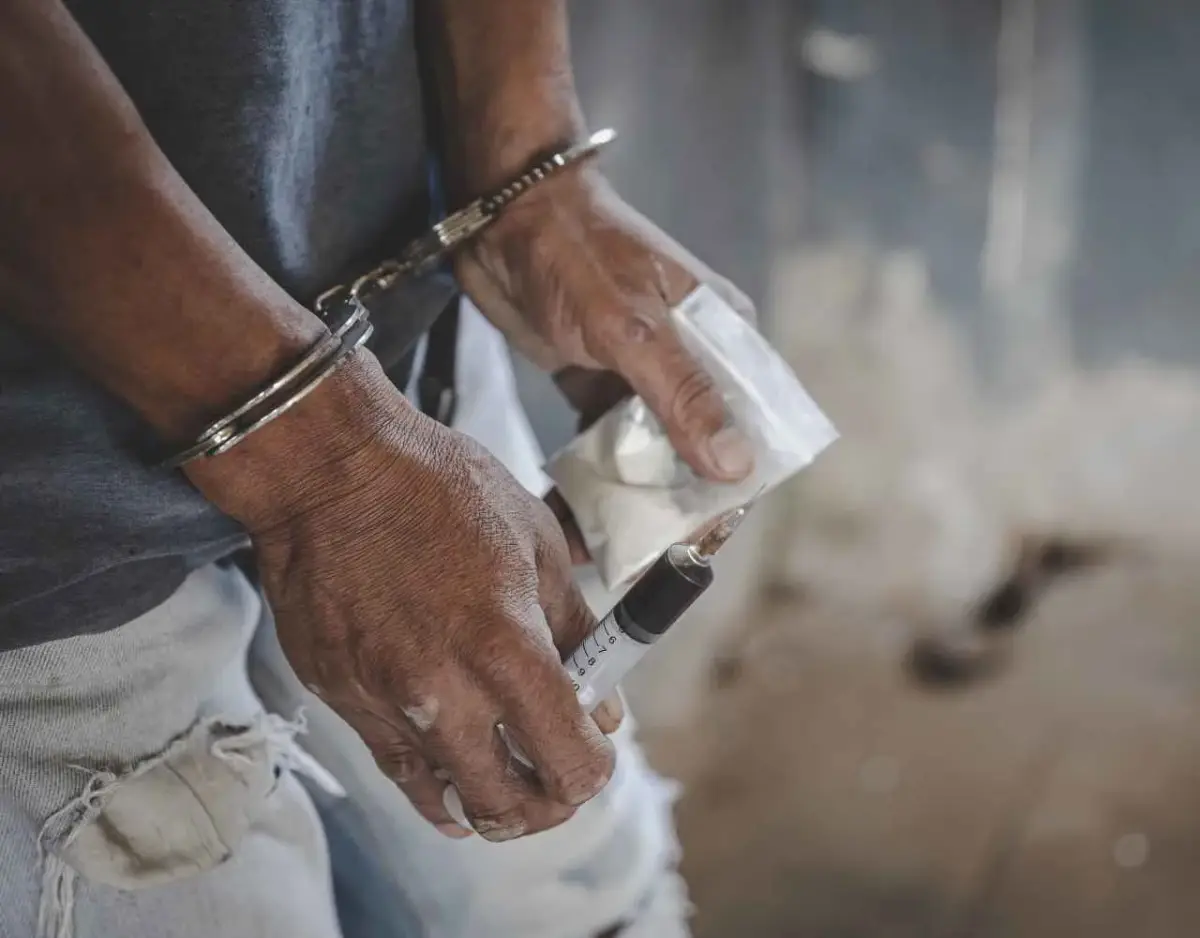
A drug possession charge in the Upstate does not start in a courtroom. It starts with a stop, a search, or a tip, and it moves through the Tenth Circuit Solicitor’s Office long before anyone sees a judge.
At Touma Law Group, we handle drug possession charges for clients across Anderson County and Oconee County, from a first simple possession stop on I-85 to felony possession with intent to distribute. Attorney Jarrett Roman leads our Anderson office and spent years on the other side of these cases as an Assistant Solicitor in the Tenth Circuit, so he knows exactly how these charges get built and where they tend to fall apart.
This article walks through how South Carolina defines drug possession, what the state has to prove, and where these cases typically land in Anderson and Oconee County courts.

The First Step for 10th Circuit Prosecutors
Before a prosecutor can move a drug possession case forward, the state has to show two things: that there were controlled substances under South Carolina drug laws, and that the person charged had possession of them, whether that possession was actual or constructive.
That second part is where a lot of cases either hold together or come apart. Actual possession means the drugs were found on the person’s body, in a pocket, or in a hand. Constructive possession means the drugs were found somewhere the person had access to and control over, like a glove compartment, a shared apartment, or the back seat of a car with more than one passenger. Constructive possession cases depend heavily on the specific facts, and prosecutors have to connect the person to the drugs with more than just proximity.
Simple possession, possession with intent to distribute (PWID), and drug trafficking are three different charges with three different burdens of proof, and mixing them up changes the entire conversation about a case.
Learn More: Our
is ready to help you.
Differentiating Drug Crimes
South Carolina’s controlled substance laws sit in Section 44-53-370 of the state code. Take a look at three different charges in SC below.
Simple Possession
Simple possession covers holding a controlled substance for personal use, with no intent to sell or hand it off to someone else.
Possession With the Intent to Distribute
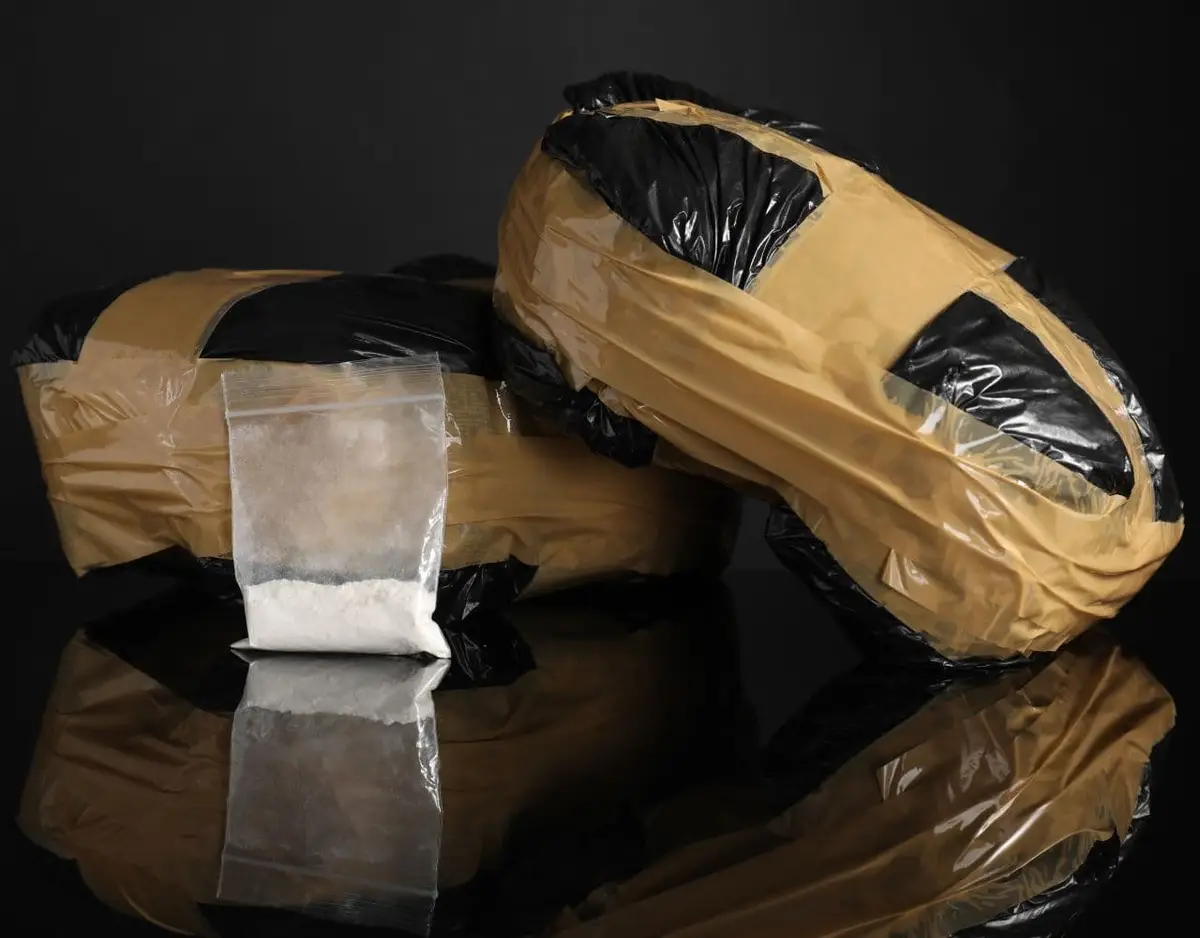
PWID charges accuse someone of possessing drugs and drug distribution that is not for personal use. It’s always a felony with harsher penalties than simple possession. Prosecutors consider various factors, primarily the drug quantity found and other supplies like baggies. A large amount implies distribution, even without observed sales.
Drug Trafficking
Trafficking sits above both. Once the quantity crosses a statutory threshold, a possession charge can become a trafficking charge, and trafficking carries far steeper mandatory penalties than either simple possession or PWID.
The schedule of the illegal drug involved (Schedule I, Schedule II, and so on) also affects how a possession charge gets classified and what penalties apply. Prescription drug charges follow a similar structure when someone possesses medication without a valid prescription or in a way that goes beyond how it was prescribed.
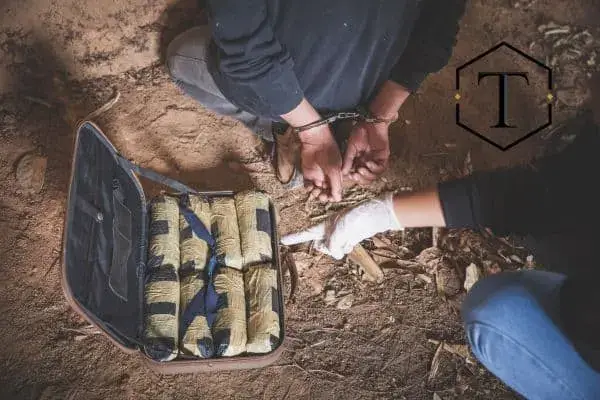
Specific Penalties for a Possession Conviction in Anderson and Oconee County
Penalties vary by substance, quantity, and prior record, and the numbers below are general ranges rather than a prediction for any specific case.
A first cocaine possession charge is generally a misdemeanor, but state law allows a prison term of up to three years for that first offense. Possession of heroin, or of a Schedule I or Schedule II narcotic, carries up to two years for a first offense and as much as five years for a second or later offense.
For small amounts of marijuana (an ounce or less), possession is a misdemeanor, punishable by up to 30 days in jail. A second offense can lead to a year in jail.
PWID penalties increase significantly, starting with at least two years in prison and hefty fines, which vary by drug schedule and amount. Trafficking penalties are harsher, often exceeding a decade in prison, based on substance and weight.
Some of these charges also come with consequences beyond a courtroom, including a driver’s license suspension, a permanent record that shows up on background checks, and complications for anyone holding a professional license or serving in the military.
Related: Learn more about how our
can help your case.
The Role of Search and Seizure in these cases
In Anderson and Oconee County, drug crimes often begin with a traffic stop, home search, or tip leading to a warrant. Both the Fourth Amendment and the South Carolina Constitution require reasonable searches. Evidence obtained through an illegal search can be challenged and excluded from a case. Defense attorneys scrutinize the stop’s validity, probable cause, proper warrant issuance, and correct handling of drug evidence, including forensic testing. Errors in any of these steps can significantly impact a case.
None of this means every search was illegal or every case has a clean defense. It means the search itself is often as important to review as the drugs that were found.
Did you know? Touma Law Group can assist in
cases.
What Prosecutors Look at When Deciding How to Charge a Case
The Tenth Circuit Solicitor’s Office decides how to charge a possession case based on the specific facts: the substance, the quantity, whether packaging materials like ziplock bags or scales were present, the person’s criminal record, and whether anyone else was involved. Packaging and quantity often push a case from simple possession toward a PWID charge, even when the person charged says the drugs were for personal use.

What to Do After You’ve Been Arrested or Charged
The choices someone makes in the days right after an arrest can affect the entire case.
- Do not discuss the details of the arrest with police, on social media, or with anyone besides an attorney.
- Write down what happened while it is fresh: where the stop occurred, what was said, and who else was present.
- Keep any court paperwork, citations, or bond documents in one place.
- Contact an Anderson criminal defense attorney for legal representation before a first court date, not after.
- Ask about diversion options early, since some programs have to be requested before a case moves too far forward.
Contact us: Touma Law Group offers free consultations.
Touma Law Group’s Customized Defense Strategies
Jarrett Roman spent years inside the Tenth Circuit Solicitor’s Office as an Assistant Solicitor before joining Touma Law Group to lead the firm’s Anderson office. That background in South Carolina law means he has sat on the side of the table that decides how a possession case gets charged, what evidence a solicitor leans on, and where a case is more likely to be offered a diversion program instead of a trial.
We use that experience for one purpose: to look at a possession charge the way the state will look at it, then build a defense around what we find. A charge is not a conviction, and the specific facts of a stop, a search, and a person’s record all shape what comes next. Get a free case review with Touma Law Group’s Anderson office by calling (864) 777-8062.
Some first-time and lower-level charges may qualify for conditional discharge or pretrial intervention, which can lead to dismissal and eventual expungement if the terms are completed. Eligibility depends on the specific charge and the solicitor’s discretion, so this is not available in every case.
Certain convictions can trigger separate licensing board reviews or military disciplinary consequences depending on the charge and the person’s status. Speak with an attorney about how a specific charge could affect a license or service record.
Avoid discussing the case with anyone besides an attorney, keep all paperwork related to the arrest, and contact a criminal defense attorney before the first court date so diversion options and defense strategy can be reviewed early.