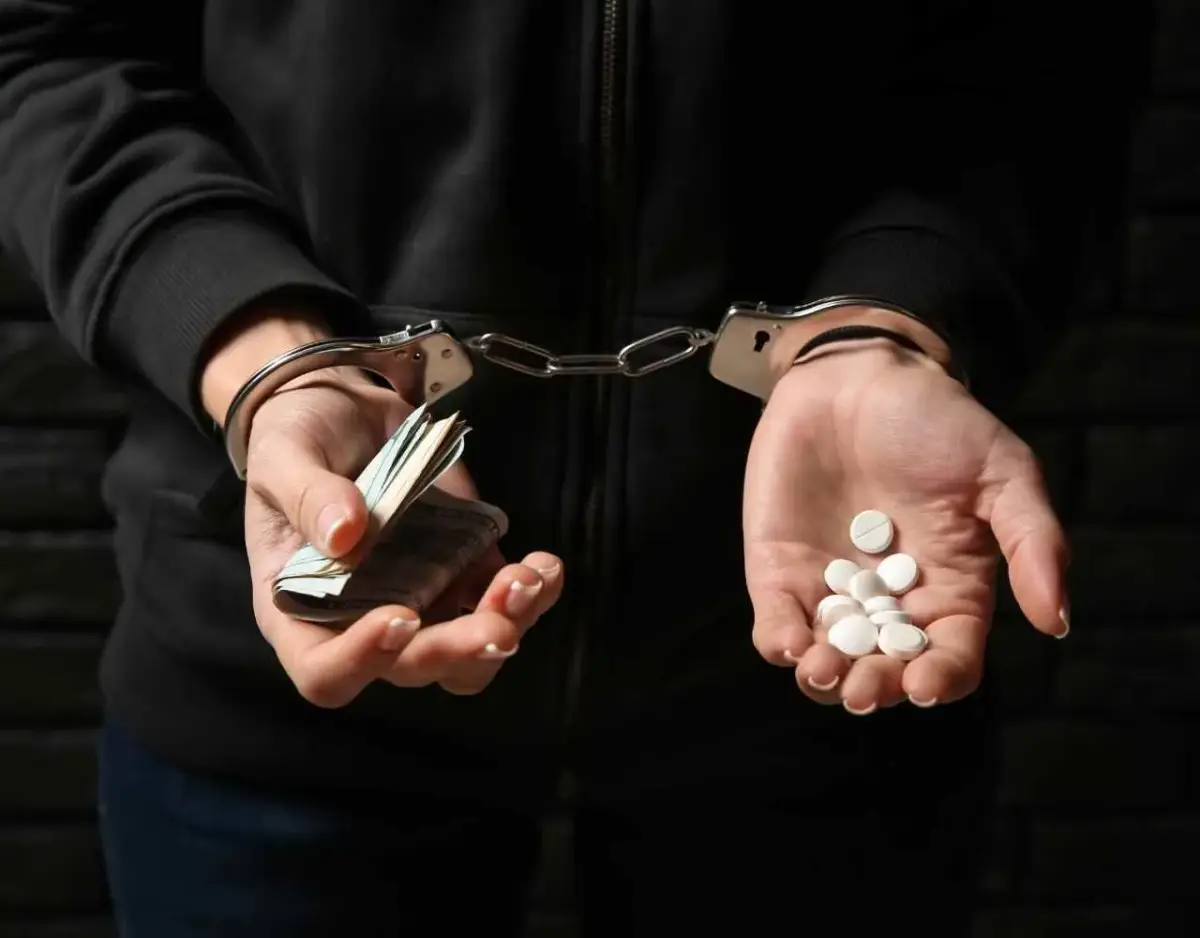
Facing drug charges in Anderson County can be a daunting experience. The legal system can be complex and unforgiving, with serious consequences that can impact your life for years to come. Whether you are dealing with possession, trafficking, or distribution charges, having an experienced drug charge lawyer by your side is essential. A skilled attorney can help you navigate the legal process, protect your constitutional rights, and understand your options.
Don’t let a drug conviction define your future. It’s crucial to act quickly and seek legal representation to build a solid legal defense and understand the penalties you face. Contact our knowledgeable team today to schedule a consultation. We are committed to providing personalized support and guidance to help you understand your options and protect your rights. Your future is too important to leave to chance, call Touma Law at (864) 777-8062 now for the help you need.
Common Types of Drug Charges in South Carolina and Their Penalties
Drug charges in South Carolina come in many forms, each carrying its own legal consequences. Understanding the most common types, from possession to trafficking, and their associated penalties can give insight into what individuals may face if charged with a drug-related offense in the state. The penalties below come from S.C. Code Ann. § 44-53-370 and § 44-53-375, and they depend on the type of drug, the weight, and whether it is a first, second, or later offense.
Possession
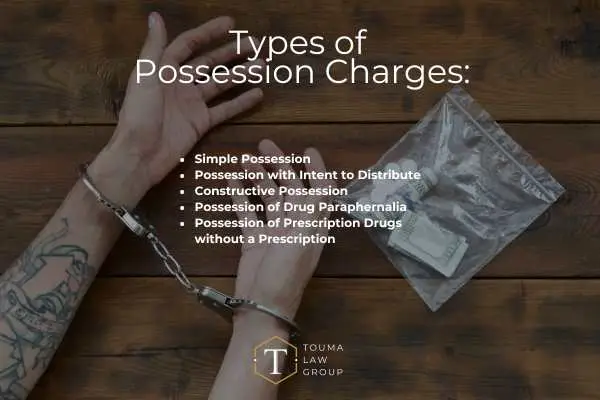
Possession charges are among the most common drug offenses. They can range from misdemeanor possession offenses for small amounts of controlled substances to felonies for larger quantities. Key points include:
- Simple Possession: Refers to having a small amount of illegal drugs for personal use. For example, possession of one ounce (28 grams) or less of marijuana is a misdemeanor.
- Possession with Intent to Distribute: An individual can be charged with PWID when they have a larger quantity of drugs, indicating an intention to sell. This charge can lead to felony prosecution.
- Constructive Possession: Constructive possession charges involve being in control of drugs without physically holding them, like when drugs are found in a vehicle or shared space. Proof of knowledge and access is key in these cases.
- Possession of Drug Paraphernalia: Possession of items used for drug consumption, like pipes or syringes. Although a lesser charge, it often accompanies other drug charges.
- Possession of Prescription Drugs without a Prescription: Involves having prescription medication without a valid prescription. This is illegal, and the penalty depends on the drug’s schedule.
A drug possession conviction can result in severe penalties, which may include:
- Misdemeanor Penalties: For a first offense, possession of one ounce or less of marijuana carries up to 30 days in jail or a fine of $100 to $200. Possession of cocaine carries up to 3 years or $5,000, possession of a narcotic drug or LSD carries up to 2 years or $5,000, and possession of most other controlled substances carries up to 6 months or $1,000. See S.C. Code Ann. § 44-53-370(d).
- Felony Consequences: If the quantity is larger or if there is evidence of intent to distribute, possession with intent to distribute is a felony. A first offense carries up to 5 years or $5,000 for marijuana and other non-narcotic Schedule I, II, and III drugs, and up to 15 years or $25,000 for cocaine, heroin, other narcotic drugs, LSD, crack cocaine, and methamphetamine. Second and later offenses carry higher penalties. See S.C. Code Ann. § 44-53-370(b) and § 44-53-375(B).
- Collateral Consequences: A drug possession conviction can also affect employment opportunities, housing applications, and educational prospects.
Trafficking
Trafficking is a serious offense that applies when a person sells, delivers, brings into the state, or knowingly possesses an illegal drug at or above a set weight. South Carolina has strict trafficking laws, with penalties based on the type and weight of the substance. For example, trafficking in cocaine can lead to mandatory minimum sentences, often requiring significant prison time based on the amount involved.
Trafficking in South Carolina is treated as a serious offense, with severe penalties that include:
- Mandatory Minimum Sentences: The penalties for drug trafficking are based on the amount of the drug involved, and no part of the sentence may be suspended and probation may not be granted. For example, trafficking in cocaine (10 grams or more) carries 3 to 10 years for a first offense involving 10 to less than 28 grams, and 25 to 30 years, with a mandatory minimum of 25 years, for 400 grams or more. Trafficking in marijuana begins at 10 pounds, and trafficking in heroin begins at 4 grams. See S.C. Code Ann. § 44-53-370(e).
- Substantial Fines: In addition to prison time, trafficking convictions come with fixed fines. For cocaine, the fines range from $25,000 to $200,000, depending on the weight.
- Long-Term Consequences: A trafficking conviction can lead to a permanent criminal record, significantly hindering future job opportunities and the ability to obtain certain licenses.
Manufacturing
Manufacturing charges pertain to the production or cultivation of illegal drugs. This could include growing marijuana plants or producing controlled substances through chemical processes. The severity of these charges often depends on the scale of production and the type of drug. Manufacturing is punished under the same provisions as possession with intent to distribute, and cultivating 100 or more marijuana plants falls under the marijuana trafficking tiers.
Convictions for drug manufacturing, including growing or producing illegal substances, can result in severe penalties:
- Prison Sentences: Manufacturing drugs is a felony. For a first offense, the penalty is up to 5 years for marijuana and other non-narcotic Schedule I, II, and III drugs, and up to 15 years for cocaine, heroin, other narcotic drugs, crack cocaine, and methamphetamine. Repeat offenses carry longer sentences. See S.C. Code Ann. § 44-53-370(b) and § 44-53-375(B).
- Fines: For a first offense, the fine can be up to $5,000 for marijuana and similar drugs and up to $25,000 for cocaine, heroin, other narcotic drugs, crack cocaine, and methamphetamine.
- Additional Charges: Manufacturing methamphetamine in the presence of a minor child is a separate offense under S.C. Code Ann. § 44-53-378.
Distribution
Distribution charges involve the selling or supplying of drugs to others. This offense can be classified similarly to trafficking but may involve smaller quantities or different circumstances, such as selling drugs to an undercover officer. Penalties can vary widely based on the specifics of the case.
Drug distribution charges involve selling or supplying drugs to others and can lead to serious consequences, including:
- Felony Charges: Distribution is a felony under S.C. Code Ann. § 44-53-370(b). Sentences for a first offense run up to 5 years for marijuana and similar drugs, and up to 15 years for cocaine, heroin, other narcotic drugs, crack cocaine, and methamphetamine. Second and later offenses carry higher penalties.
- Fines and Special Circumstances: Fines for a first offense can reach $5,000 or $25,000, depending on the drug. Distributing to a person under 18 is covered by S.C. Code Ann. § 44-53-440, and distributing within one-half mile of a school, public park or playground, or college is a separate felony under S.C. Code Ann. § 44-53-445.
- Impact on Future Opportunities: A distribution conviction can have long-lasting effects on a person’s ability to secure employment, obtain housing, or pursue education.
Understanding the types of drug charges and their penalties in South Carolina is crucial for anyone facing allegations. Each charge carries its own potential penalties and defenses. If you or someone you know is dealing with drug-related charges, consulting with a knowledgeable criminal defense attorney is essential to navigate the complexities of the criminal justice system effectively.
How a Lawyer Can Help With Drug Charges in Anderson
Hiring a knowledgeable criminal defense attorney in Anderson, South Carolina, can be crucial in protecting your rights and working towards a favorable outcome in your case. Here’s how an attorney can provide legal assistance:
Their Legal Experience
A skilled lawyer brings in-depth knowledge of both state and federal drug laws. They understand the nuances of local laws, as well as how these intersect with federal regulations, giving them the tools to build effective defense strategies.
Case Evaluation
An attorney will thoroughly evaluate the evidence against you, scrutinizing every detail for potential weaknesses. This includes examining police reports, witness statements, and any surveillance or forensic evidence. By identifying procedural errors or weak points in the prosecution’s case, they can help you mount a stronger defense.
Building Defense Strategies
A drug lawyer can discuss various defense options based on the specifics of your situation. Common defenses include challenging the legality of the search and seizure, arguing against possession or intent to distribute, and, in some cases, advocating for community service or addiction treatment as an alternative to criminal charges. Each strategy is tailored to address your charges, although no lawyer can promise a particular result.
Negotiations and Plea Bargaining
Your attorney can also negotiate with prosecutors to seek reductions in charges or penalties. An attorney can work to reduce the impact of your charges and may be able to seek a plea deal that lowers the charges, reduces sentencing, or offers alternative outcomes like probation or treatment programs, depending on the facts of your case.
Hiring an experienced drug lawyer in Anderson County gives you a knowledgeable advocate on your side who can protect your rights and help you navigate complex legal challenges.
Steps to Take After a Drug Arrest
If you find yourself arrested for a drug crime, it’s essential to act quickly and thoughtfully to protect your rights and options. Here are the steps you should take after an arrest:
- Exercise Your Right to Remain Silent: You have the legal right to remain silent, and it’s crucial to exercise this right. Avoid discussing your case with law enforcement or anyone else until you have legal representation. Anything you say can be used against you in court.
- Contact a Criminal Defense Lawyer: Reach out to an Anderson criminal defense lawyer as soon as possible. An attorney experienced in drug charges can provide invaluable guidance, help you understand the charges, and develop a defense strategy tailored to your case.
- Document the Circumstances of Your Arrest: If possible, make notes about the events leading up to your arrest, including the location, time, and any witnesses. This information may be helpful for your attorney in building your defense.
- Do Not Discuss Your Case with Others: Be cautious about discussing your arrest or the details of your case with friends or family. Conversations can unintentionally lead to information being used against you.
- Prepare for Court: Your attorney will help you prepare for court appearances. Follow their legal advice regarding what to expect and how to behave during proceedings.
By taking these steps, you can better navigate the legal system and work towards a favorable outcome in your case.
Need Legal Guidance? Consult an Experienced Anderson Drug Charge Attorney
If you’re facing drug charges in Anderson County, it’s crucial to understand that you don’t have to navigate this challenging situation alone. The stakes are high, with potential maximum sentences and significant penalties. Having an experienced drug charge lawyer can make a significant difference in the outcome of your case. Our dedicated legal team is ready to assess your situation and defend your rights.
Don’t wait until it’s too late. Contact our criminal defense law firm today to schedule a free initial consultation and learn how we can assist you with your drug charges. Your future deserves protection, and we’re here to help you every step of the way.