Facing a first-time drug charge can be overwhelming. In South Carolina, some people can ask to enter a diversion program, also called an intervention program, which is an alternative to traditional prosecution. These programs hold a person accountable while offering a second chance, and successful completion can lead to a dismissal of the charge. Understanding the eligibility rules and what the programs require can help you make informed decisions about your case.
If you or someone you know is facing a first-time drug charge, it is worth asking whether a diversion option is available. A drug defense attorney in Columbia can explain how the process works and what the program would require of you. Call our office at (803) 879-4499 today to discuss your case.
How Diversion Programs Work in SC
The South Carolina Commission on Prosecution Coordination describes diversion and intervention programs as an alternative to traditional prosecution. The programs are under the control and supervision of the Circuit Solicitors, and admission is subject to the Circuit Solicitor’s discretion (SC Prosecutors, Diversion/Intervention Programs). While you participate, the case remains pending. Programs listed by the Commission include Pretrial Intervention, Adult Drug Court, and the Solicitor’s Drug Intervention Program, and which ones are offered depends on the circuit.
Pretrial Intervention (PTI) is the statutory program. Each circuit solicitor must establish one (S.C. Code Ann. § 17-22-30). Because each solicitor runs the program, the details differ, but the PTI statute sets several common features:
- A Written Agreement: The solicitor and the participant sign an agreement that states the terms of the program, its length, and the period after which the prosecutor will either dismiss the charge or seek a conviction (S.C. Code Ann. § 17-22-120).
- Conditions Set by the Solicitor: The participant agrees in writing to the conditions of the program established by the solicitor, which can include referral to substance abuse services (S.C. Code Ann. § 17-22-90 and § 17-22-120). The specific requirements depend on the program, so ask the solicitor’s office what yours would include.
- Waivers: The participant waives the right to a speedy trial, contingent on successful completion, and agrees that the time limits for prosecution are tolled while in the program (S.C. Code Ann. § 17-22-90).
- Restitution: If there is a victim, the participant agrees to pay restitution in an amount determined by the solicitor (S.C. Code Ann. § 17-22-90).
- Fees: The application fee is $100 and the participation fee is $250, and the total may not exceed $350. The solicitor may waive fees in cases of indigency (S.C. Code Ann. § 17-22-110).
- Statements: Records of PTI participation are not admissible as evidence in later proceedings, and a written admission of guilt may not be required before acceptance or completion (S.C. Code Ann. § 17-22-90).
If you successfully complete the program, the solicitor must effect a noncriminal disposition of the charge. That means the charge is dismissed without prejudice to the State’s right to reinstate it on the solicitor’s motion (S.C. Code Ann. § 17-22-20 and § 17-22-150). If you violate the conditions, the solicitor may end your participation and prosecution of the pending charge resumes.
Eligibility for First-Time Offender Diversion Programs in South Carolina
Admission to a program is a decision for the solicitor, so there is no automatic right to enter one. The PTI statute sets the framework the solicitor applies:
- Offenses That Are Excluded: A person must not be considered for PTI if charged with certain offenses, including driving under the influence and a crime of violence as defined in S.C. Code Ann. § 16-1-60. That definition includes drug trafficking under S.C. Code Ann. § 44-53-370(e), trafficking in cocaine base under § 44-53-375(C), and manufacturing or trafficking methamphetamine under § 44-53-375. The exclusion does not apply if the solicitor determines the elements of the crime do not fit the charge (S.C. Code Ann. § 17-22-50).
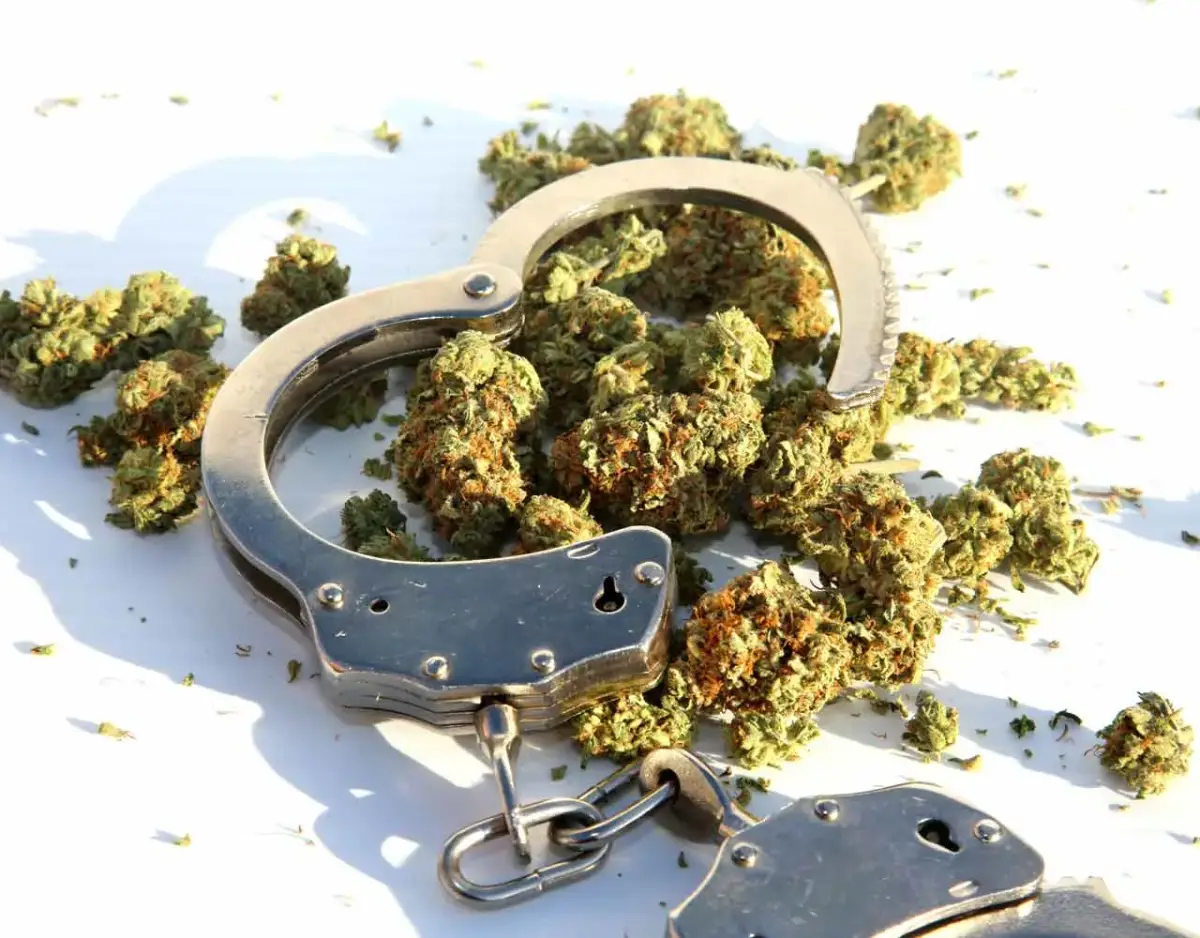
- Marijuana Possession: State law specifically provides that a person charged with possession of 28 grams or less of marijuana, or 10 grams or less of hashish, may be permitted to enter PTI (S.C. Code Ann. § 44-53-370(d)(5)). See our article on possession of small amounts of marijuana.
- Criminal History: PTI is appropriate only when the offender has no significant history of prior delinquency or criminal activity. A person who has already completed PTI can participate again only after twenty years have passed since successful completion (S.C. Code Ann. § 17-22-60 and § 17-22-50(C)).
- Other Standards: The statute also says intervention is appropriate only when there is a substantial likelihood that justice will be served, the needs of the offender and the State can better be met outside the traditional process, the offender poses no threat to the community, and the offender is unlikely to be involved in further criminal activity (S.C. Code Ann. § 17-22-60).
- Input From Law Enforcement and Any Victim: Before admission, the arresting agency and any victim are asked to comment in writing, and the solicitor or judge must consider their recommendations (S.C. Code Ann. § 17-22-80).
- Application Deadline: An application must be made no later than seventy-five days after service of the warrant or within ten days after counsel is appointed. The solicitor or the chief administrative judge may waive this deadline in some cases (S.C. Code Ann. § 17-22-100).
Because the deadline can be short, it helps to talk with a Columbia criminal defense attorney soon after a charge to learn what is available in your circuit.
Benefits of Completing a Diversion Program
Completing a diversion program for a drug charge in South Carolina can offer several benefits:
- Dismissal of Charges: The SC Commission on Prosecution Coordination states that charges are dismissed upon successful completion of a diversion program (SC Prosecutors). Learn more about how drug charges can be dismissed.
- No Conviction From the Charge: A noncriminal disposition is a dismissal of the charge, not a conviction (S.C. Code Ann. § 17-22-20).
- Record Destruction: After a noncriminal disposition, you may apply to the court for an order to destroy the official records of your arrest. The solicitor still keeps a report for two years, and the State Law Enforcement Division receives identifying information that may be used only when a solicitor asks whether a person was previously accepted into a program (S.C. Code Ann. § 17-22-130 and § 17-22-150).
- Treatment Resources: If the program refers you to substance abuse services, those services may not be denied because of an inability to pay (S.C. Code Ann. § 17-22-120).
A related option is a conditional discharge for a first-time possession offense. If you plead guilty or are found guilty of simple possession and have no prior conviction under that article or under a state or federal statute on marijuana or stimulant, depressant, or hallucinogenic drugs, the court may, with your consent, defer further proceedings without entering a judgment of guilt and place you on probation. After you meet the terms, the court discharges you and dismisses the proceedings. The fee is $350 in general sessions court and $150 in summary court, and a discharge may occur only once (S.C. Code Ann. § 44-53-450). Conditional discharge happens after a plea or finding of guilt, which makes it different from PTI.
How Long Do Diversion Programs for Drug Charges Typically Last?
State law does not set one length for PTI. The agreement between the solicitor and the participant states the length of the program (S.C. Code Ann. § 17-22-120), and programs differ by circuit and by program. Ask the solicitor’s office or a lawyer how long the program in your case would last.

What Happens if I Don’t Complete the Diversion Program?
If you do not complete a PTI program, the PTI statute provides several consequences:
- Your Participation May End: The solicitor may terminate your participation if you violate the conditions of the agreement (S.C. Code Ann. § 17-22-150(b)).
- The Case Resumes: Prosecution of the pending charges resumes (S.C. Code Ann. § 17-22-150(b)). This means the case can move forward in the court system, and you could face the penalties for the original charge.
- Your Speedy Trial Waiver Ends: The waiver you signed becomes void on the date you are removed from the program (S.C. Code Ann. § 17-22-150(b)).
- A Report Stays on File: The solicitor keeps a report on your participation for two years after an unsuccessful completion, and identifying information sent to the State Law Enforcement Division may be used when a solicitor asks whether you were previously accepted into a program (S.C. Code Ann. § 17-22-130).
Following every requirement of the program agreement is important.
Explore Your Options for a Diversion Program in South Carolina
If you are facing a first-time drug offense in SC, ask whether a diversion program or a conditional discharge is available in your case and how either one may affect your record. You can also read about your criminal record and expungement in South Carolina. For example, after a first-offense conviction for simple possession, state law allows a person to apply for expungement three years after completing the sentence, including probation and parole, if the other requirements are met (S.C. Code Ann. § 22-5-930).
Contact our office today to discuss your case and learn which options may be available to you.