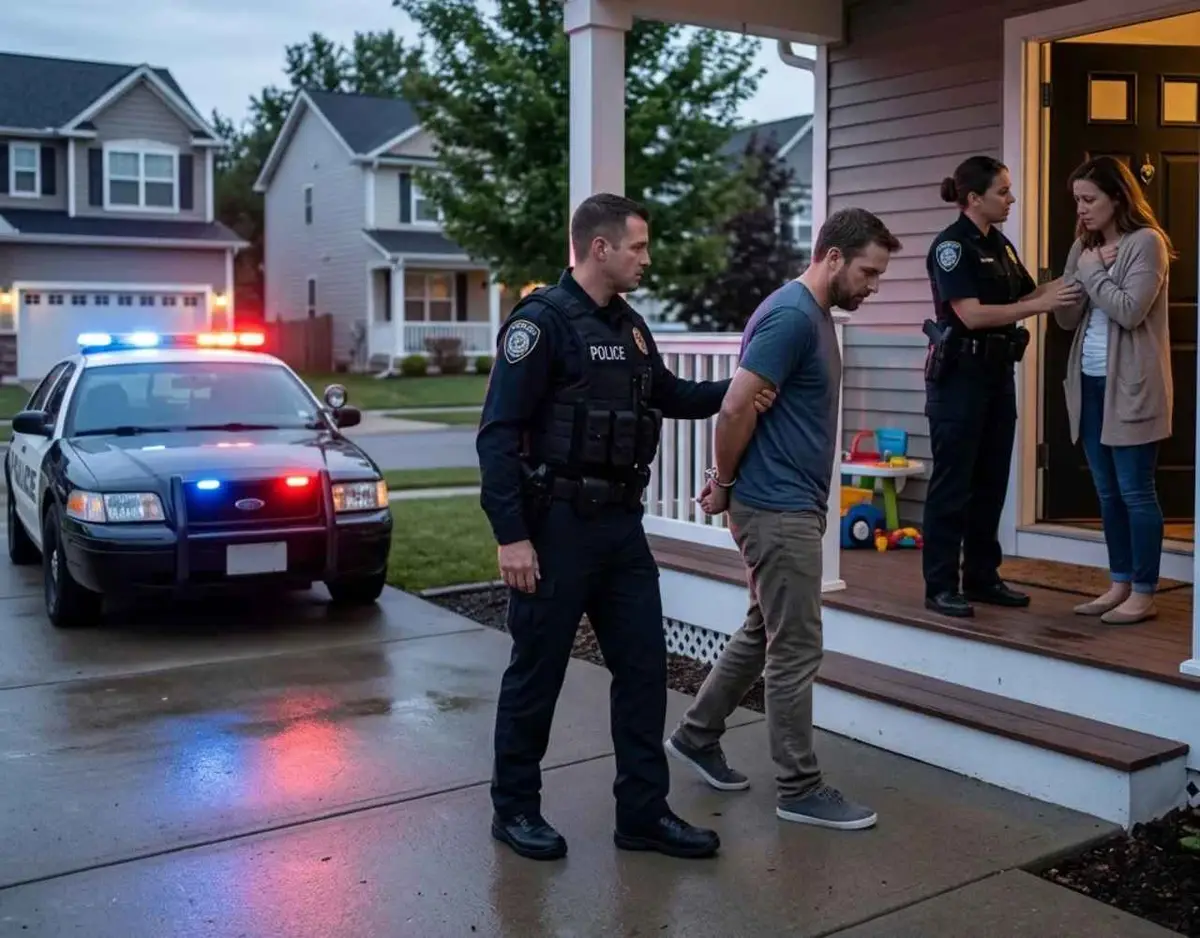
A domestic violence arrest can turn your life upside down in a single night. One call to 911, a short conversation with deputies, and suddenly you are in the back of a patrol car, headed to the Anderson County Detention Center.
Now you have questions. Can you go home? Can you talk to your partner? What happens to your job, your kids, or your guns? Take a breath. A charge is not a conviction. What you do in the next few days matters, and you do not have to figure it out alone.
At Touma Law Group, we defend people facing domestic violence charges in Anderson and across Anderson County. Our team includes veterans and former prosecutors who know how these cases get built and where they fall apart. Call our Anderson office at (864) 777-8062 for a free consultation, and let us start working on your defense today.
Your First Moves After a Domestic Violence Arrest in Anderson County

If you or someone you love was just arrested, focus on these steps first:
- Stay silent about the incident. Do not explain your side to officers, jail staff, or anyone on a jail phone. Those calls are recorded.
- Prepare for bond court. South Carolina law requires a bond hearing within 24 hours of a domestic violence arrest.
- Follow every bond condition exactly. This usually includes no contact with the alleged victim.
- Do not reach out to the alleged victim. Not by text, social media, or through friends. Even a friendly apology can create a new charge.
- Write down what happened. Do it privately, for your lawyer only. Details fade fast.
- Save evidence. Keep texts, photos, call logs, and the names of anyone who saw or heard what happened.
- Talk to a criminal defense attorney before you talk to anyone else about the case.
Each of these steps protects your rights and keeps you from making the case against you stronger. The sections below explain why.
How South Carolina Law Defines Domestic Violence
Under South Carolina law, domestic violence means causing or trying to cause physical harm to a “household member.” It also covers threats that put a household member in reasonable fear of immediate harm.
A household member includes:
- A spouse or former spouse
- Someone you share a child with
- A person you live with or used to live with in a romantic relationship
The South Carolina Supreme Court has also ruled that these protections apply to same-sex couples who live or lived together.
This definition matters. A fight with a roommate or a sibling usually falls under general assault laws, not the domestic violence statute. If the relationship does not fit, your charge may not fit either. Our Anderson assault and battery lawyer page explains how those charges work.
The Four Levels of Domestic Violence Charges and Possible Jail Time
South Carolina sorts domestic violence into four levels. The level depends on things like injury, prior record, and whether certain aggravating facts are present.
| Charge level | Type | Maximum jail time | Fine range |
|---|---|---|---|
| Domestic violence 3rd degree | Misdemeanor | Up to 90 days | $1,000 to $2,500 |
| Domestic violence 2nd degree | Misdemeanor | Up to 3 years | $2,500 to $5,000 |
| Domestic violence 1st degree | Felony | Up to 10 years | Not set by statute |
| Domestic violence of a high and aggravated nature (DVHAN) | Felony | Up to 20 years | Not set by statute |
Source: S.C. Code §§ 16-25-20 and 16-25-65. Penalties depend on the facts of each case.
Prosecutors can raise the level of a charge based on factors like:
- Moderate or great bodily injury, including traumatic injuries
- A child present or able to see or hear the incident
- The alleged victim being pregnant
- Choking or blocking someone’s breathing
- Blocking someone from calling for help
- Prior domestic violence convictions within 10 years
- Violating an existing order of protection
First-degree domestic violence and DVHAN count as violent crimes under South Carolina law. That label can affect bond, parole, and future sentencing. Learn more in our guide to violent crimes in South Carolina.
What Happens at Bond Court in Anderson County

Most people arrested by the Anderson County Sheriff’s Office or the Anderson Police Department go to the Anderson County Detention Center. From there, a judge holds a bond hearing, usually at Anderson County Bond Court on North Main Street.
At the hearing, the judge looks at:
- Your criminal history, especially any past domestic violence
- Whether you have violated court orders before
- Any risk you may pose to the alleged victim or others
- Your ties to Anderson and the surrounding community
The judge can also set strict conditions. Common ones include:
| Bond condition | What it means for you |
|---|---|
| No contact order | No calls, texts, messages, gifts, or third-party contact with the alleged victim |
| Stay away from the home | You may need to live somewhere else, even if your name is on the lease |
| Firearm restrictions | You may have to surrender guns while the case is open |
| GPS monitoring | Some judges order electronic monitoring in serious cases |
Breaking a bond condition can land you back in jail and create new criminal charges. Our post on what happens at a bond hearing walks through the process in more detail.
Mistakes That Can Damage Your Case
Many people hurt their own cases in the first week. They do it out of stress, guilt, or the hope of smoothing things over. Avoid these common mistakes:
- Contacting the alleged victim. Even if they reach out first, you can face a violation.
- Posting on social media. Prosecutors and investigators read Facebook, Instagram, and TikTok.
- Talking on jail phones. Every call can become evidence.
- Deleting messages or photos. This can look like hiding evidence.
- Assuming the case will go away. In South Carolina, the State brings the case, not the alleged victim. A victim who wants to “drop the charges” cannot simply end it.
That last point surprises many people. The solicitor’s office can move forward even when the alleged victim no longer wants to cooperate.
Evidence That Can Shape a Domestic Violence Case
Domestic violence cases often move fast and rely on first impressions. Officers arrive at a domestic violence call, hear two stories, and must decide who to arrest. South Carolina law requires officers to identify the “primary aggressor” when both sides make claims.
A strong defense often starts by testing that first decision. Evidence that can matter includes:
- Security camera footage from homes, doorbells, or nearby businesses
- Officer body camera and dash camera video
- 911 recordings and dispatch logs
- Texts, emails, and social media messages
- Medical records and photos of injuries, or the lack of them
- Statements from neighbors or other witnesses
Sometimes the evidence supports self-defense. Sometimes it shows a false or exaggerated accusation. Our article on how to prove domestic violence charges are false covers this in more depth.
Pretrial Intervention and Other Paths Forward
Not every case ends in a trial. Depending on the facts and your record, your defense attorney may explore options such as:
- Pretrial intervention (PTI). South Carolina law makes third-degree domestic violence eligible for PTI. If you complete the program, the charge can be dismissed. Acceptance is up to the Tenth Circuit Solicitor’s Office, which handles Anderson and Oconee counties.
- Batterer intervention programs. A judge may suspend part of a sentence if you complete an approved program.
- Negotiation. An attorney may push for a lower charge based on weak evidence or legal problems with the case.
- Trial. If the State cannot prove its case, you have the right to make it try.
Your case may also pass through plea hearings or move into the criminal court system at the General Sessions level for felony charges. Our guide to the Anderson County criminal court process explains each stage.
How a Conviction Affects Your Gun Rights and Your Future
A domestic violence conviction reaches far beyond jail time and fines.
Gun rights. Under S.C. Code § 16-25-30, many domestic violence convictions trigger a ban on possession of a firearm. The ban can last three years, ten years, or for life, depending on the charge. Federal law adds its own ban for many misdemeanor domestic violence convictions. A first-degree conviction also makes you a convicted felon.
Other consequences can include:
- Trouble passing background checks for jobs and housing
- Problems with professional licenses
- Effects on child custody and visitation
- Immigration consequences for non-citizens
- Harsher penalties for any future charge
Some people also face related charges from the same night, such as disorderly conduct or public intoxication. Each charge needs its own defense plan. Read more about the long-term impact of a domestic violence conviction.
Protect Your Rights Before Your Anderson Court Date

The days after a domestic violence arrest feel overwhelming. You may be living out of a friend’s spare room. You may be cut off from your kids. You may feel like everyone has already decided you are guilty.
You still have rights, and you still have options. The right defense depends on the evidence, the charge level, and the court handling your case.
Our team at Touma Law Group handles criminal defense in Anderson every day. We know how Anderson County prosecutors approach domestic violence cases, and we start building your defense from day one. We will review the evidence, explain your options in plain language, and stand beside you at every hearing.
Do not wait until your court date. Call our Anderson office at (864) 777-8062 or reach out online to schedule your free case review.
Frequently Asked Questions
No. Once an arrest happens, the State controls the case. The prosecutor decides whether it moves forward.
Within 24 hours. South Carolina law requires a bond hearing within that window.
Not always. Judges often order no contact with the alleged victim, which can keep you out of a shared home.
It can be. Second- and third-degree charges are misdemeanors. First-degree and DVHAN charges are felonies.