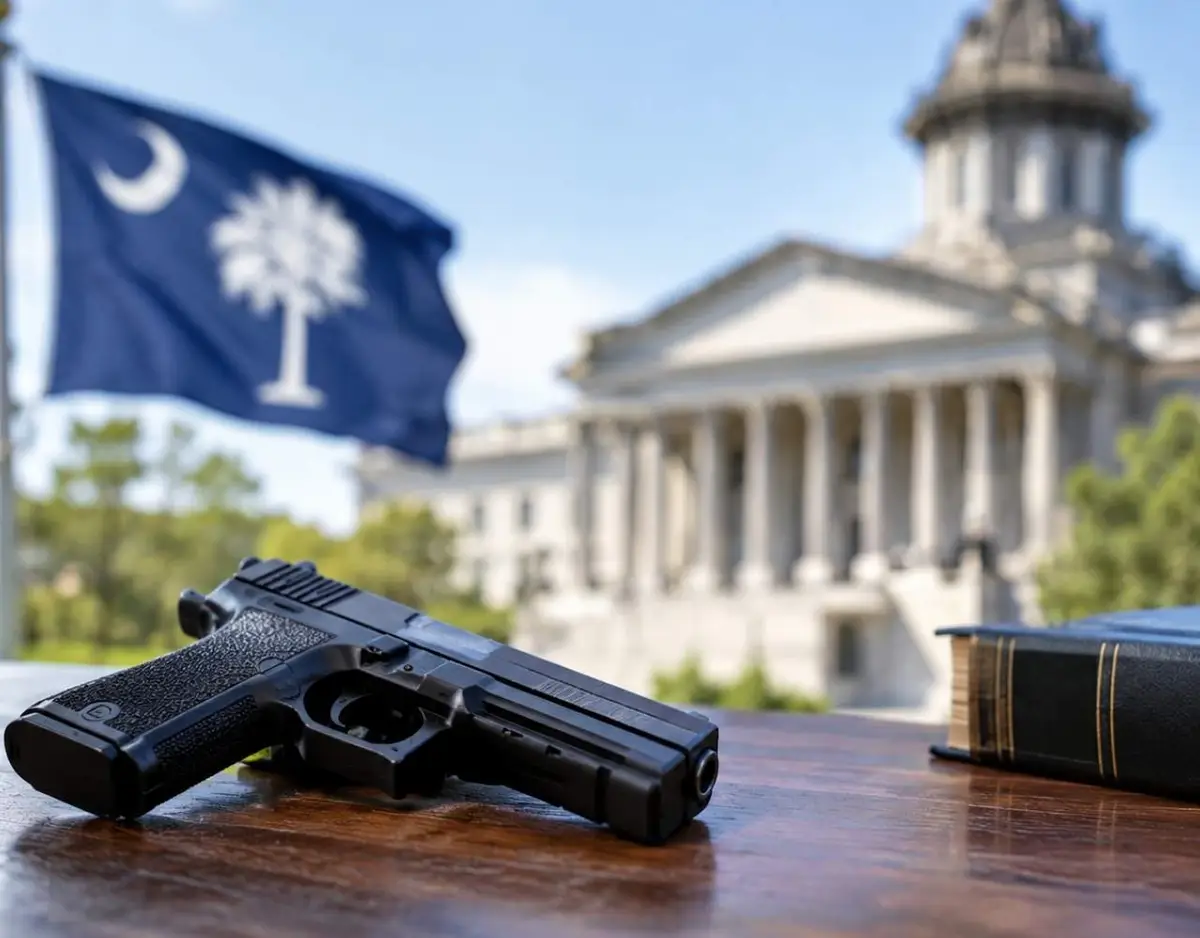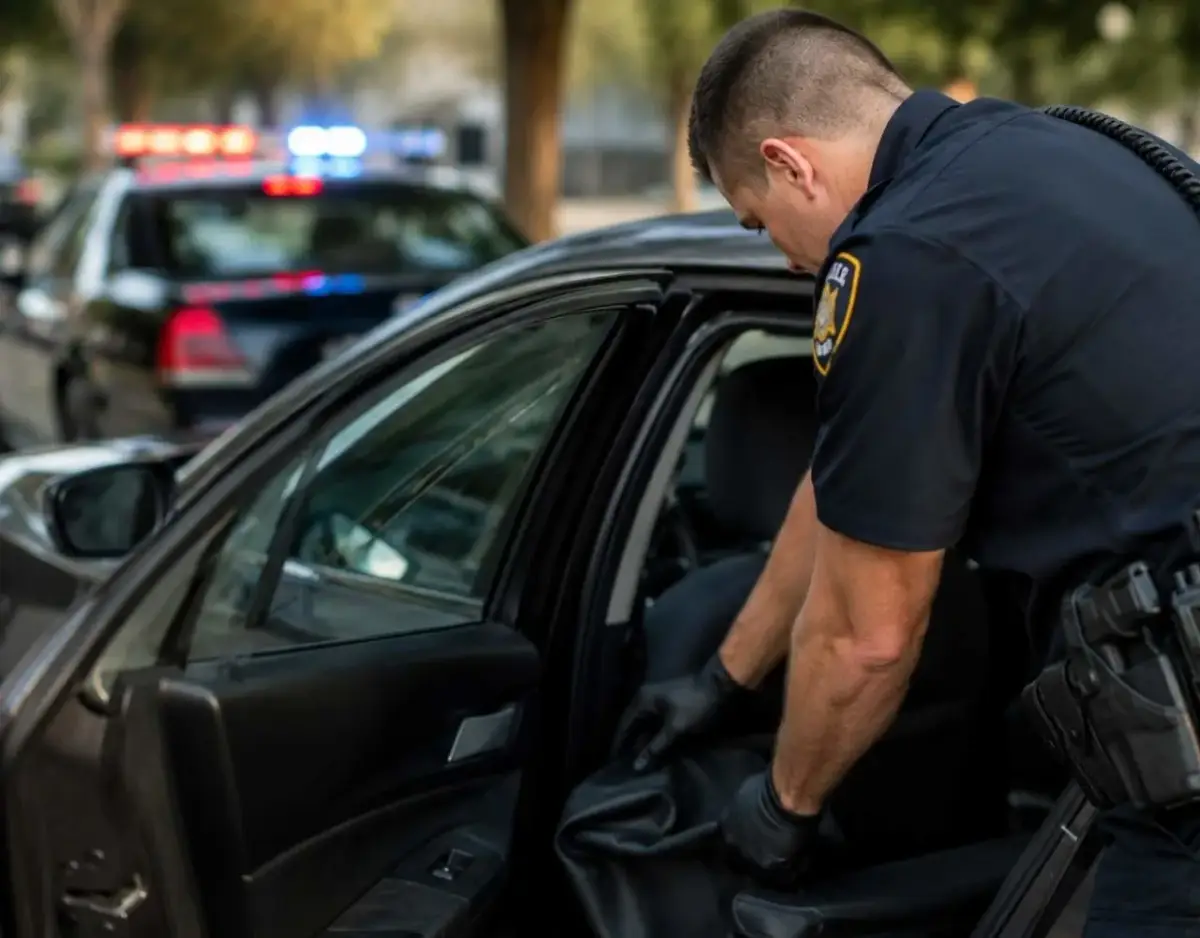
Getting stopped by the police can be stressful. Many people are left wondering whether officers had the right to search them, their vehicle, or their property. Questions about probable cause, search warrants, and your constitutional rights often come up after a traffic stop or another police encounter.
At Touma Law Group, we understand how confusing these situations can be. Our team includes experienced Anderson criminal defense lawyers who help clients throughout Anderson and across South Carolina fight criminal charges and challenge unlawful searches. If you believe your rights were violated, we are ready to help. Contact Touma Law Group today to discuss your case and learn about your legal options.
What Is Probable Cause?
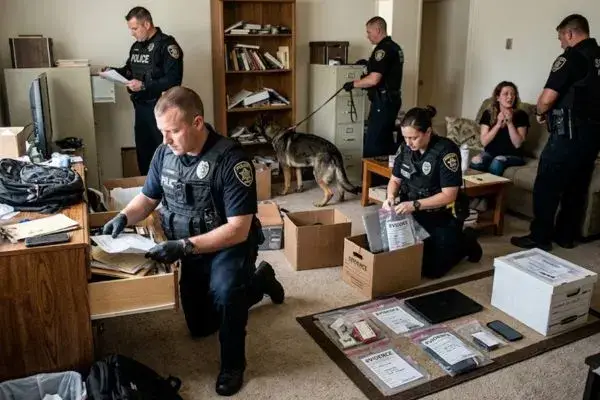
Probable cause is a legal standard that allows law enforcement to make arrests and conduct certain searches. Under probable cause law, officers must have enough facts and circumstances to reasonably believe that a crime has been committed or that evidence of a crime will be found.
These protections come from the Fourth Amendment to the United States Constitution. The Fourth Amendment protects people from unreasonable search and seizure by the government.
Examples of facts that may establish probable cause include:
- Illegal drugs or weapons in plain view
- Statements from witnesses
- Evidence discovered during a traffic stop
- Signs of impaired driving
- Admissions made by a suspect
A police officer cannot search someone based on a hunch alone. Courts in South Carolina look at the totality of the circumstances when deciding whether probable cause existed.
Probable Cause vs. Reasonable Suspicion
People often confuse probable cause with reasonable suspicion, but they are different legal standards.
Reasonable suspicion is a lower standard. It allows a law enforcement officer to briefly stop and investigate someone when criminal activity may be occurring. This commonly happens during motor vehicle stops.
For example, officers may stop a driver for:
- Speeding
- Swerving between lanes
- Running a stop sign
- Violating a municipal ordinance
Although reasonable suspicion may justify a stop, probable cause is usually required for an arrest or a search.
Understanding this difference is important because it can affect how criminal cases are handled.
How the Fourth Amendment Protects You

The Fourth Amendment protects people from unreasonable search and seizure. In many situations, law enforcement must obtain a search warrant before searching private property.
A search warrant is a court order issued by a judge based on probable cause. The warrant must identify the place to be searched and describe the evidence officers are looking for.
Search warrants are commonly used for:
- Homes
- Businesses
- Cell phones
- Computers
- Text message evidence
These protections are meant to balance public safety with individual rights.
Learn more about your Fourth Amendment rights.
Searches of Homes and Property
Police officers generally need a search warrant before entering and searching a home. However, there are exceptions that allow warrantless searches.
These situations may include:
- Consent from the owner or resident
- Emergencies that threaten public safety
- The risk that evidence may be destroyed
- Pursuing a fleeing suspect
Officers may also conduct protective sweeps after an arrest to make sure no one nearby poses a danger.
Although exceptions exist, law enforcement must still follow the Constitution. Evidence obtained through unlawful searches may later be challenged in court.
Vehicle Searches in South Carolina
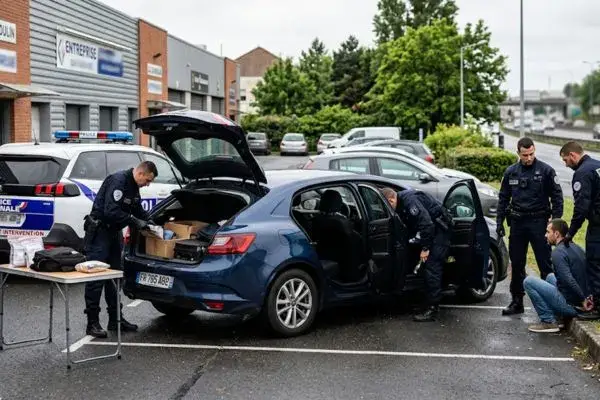
A vehicle search is treated differently from a search of a home. Because vehicles are mobile, officers may search them without first obtaining a warrant under certain circumstances.
Common reasons for a vehicle search include:
- Probable cause that evidence or contraband is inside
- Illegal items in plain view
- Consent from the driver
- Searches incident to an arrest
- An inventory search after impoundment
Vehicle searches frequently occur during motor vehicle stops and drug interdiction efforts.
For example, if a law enforcement officer discovers a controlled substance or improperly possessed prescription pills, that information may establish probable cause for a more extensive search.
Learn More: When can a cop search your car in South Carolina?
Traffic Stops and DUI Investigations
Many search and seizure issues begin with a traffic stop.
During DUI investigations, officers may perform:
- Field sobriety tests
- A chemical test
- Blood tests
- Breath tests
A blood-alcohol reading and blood test results are often used as evidence in DUI cases.
However, officers must still follow constitutional requirements. Evidence collected in violation of the Fourth Amendment may become the subject of evidence suppression motions and suppression hearings.
As part of our defense strategy, we often review:
- Police reports
- Dash camera footage
- Body camera footage
- Chemical test records
- Officer statements
These details can reveal constitutional violations that may affect the case.
When Can Police Search Without a Warrant?
Although search warrants are common, warrantless searches are permitted in certain situations.
Consent Searches
If someone voluntarily gives consent, officers may search without a warrant.
Search Incident to Arrest
Police may search a person after making a lawful arrest.
Emergency Situations
Officers may act quickly when immediate action is necessary to protect public safety.
Inventory Searches
When police impound a vehicle, they may conduct an inventory search to document its contents.
Even when exceptions apply, officers must remain within legal limits.
What Happens If the Search Was Illegal?
An unlawful search does not automatically mean that charges will be dismissed. However, illegally obtained evidence may be excluded from court through evidence suppression.
At Touma Law Group, we use motion practice and strong trial advocacy to challenge constitutional violations.
Depending on the circumstances, we may file motions involving:
- Illegal searches and seizures
- Improper traffic stops
- Invalid search warrants
- Improperly obtained text message evidence
- Problems involving blood test results
Suppression hearings allow judges to decide whether evidence should be excluded. If important evidence is thrown out, prosecutors may have difficulty proving their case.
Criminal Charges That Often Involve Search and Seizure Issues
Search and seizure questions arise in many criminal cases.
Drug Crimes
Drug crimes often involve allegations involving:
- A controlled substance
- Prescription pills
- Possession charges
- Drug trafficking
- A drug charge connected to a vehicle search
Learn More: Search and seizure laws in drug arrests
DUI Cases
DUI investigations frequently involve:
- Field sobriety tests
- Chemical tests
- Blood-alcohol readings
- Blood test results
Domestic Abuse Investigations
Cases involving allegations of domestic abuse sometimes lead to searches of homes, firearms, and electronic devices.
Disorderly Conduct Charges
Disorderly conduct cases often begin with police encounters that raise questions about whether officers acted lawfully.
How We Challenge Illegal Searches

At Touma Law Group, we carefully examine every aspect of a case.
Our approach may include:
- Reviewing police reports
- Analyzing body camera footage
- Filing motions through strategic motion practice
- Preparing for suppression hearings
- Using strong trial advocacy in court
Issues discovered early in a case may affect plea negotiations, trial strategy, and even a future sentencing hearing.
Our goal is always to protect our clients and make sure law enforcement follows South Carolina criminal laws.
What Should You Do if You Believe Your Rights Were Violated?
If you believe police violated your rights, we recommend that you:
- Stay calm during police encounters.
- Avoid arguing with officers.
- Exercise your right to remain silent.
- Preserve videos, photos, and witness information.
- Contact an experienced criminal defense lawyer as soon as possible.
Trying to explain your side of the story before speaking with an attorney can sometimes make things more difficult.
Contact Touma Law Group Today
Search and seizure laws are complicated, and mistakes made by law enforcement can have serious consequences. Whether your case involves a traffic stop, a DUI investigation, drug crimes, domestic abuse allegations, or another criminal matter, understanding your rights is critical.
At Touma Law Group, we proudly represent clients throughout Anderson and across South Carolina. We investigate police conduct, challenge unlawful searches, and fight to protect our clients’ constitutional rights. If you have questions about probable cause or believe officers violated your rights, contact Touma Law Group today to schedule a consultation and learn how we can help.
Frequently Asked Questions
What is the difference between probable cause and reasonable suspicion?
Reasonable suspicion allows a police officer to briefly stop and investigate a person. Probable cause is a higher legal standard and is usually required for arrests and many searches.
Can police search my car without a warrant in South Carolina?
Yes. Under certain circumstances, a law enforcement officer may conduct a vehicle search without first obtaining a search warrant. Common reasons include probable cause, consent, or a search incident to an arrest.
Can evidence be thrown out if police violated my rights?
Yes. If officers conducted unlawful searches or committed other constitutional violations, your attorney may ask the court to exclude the evidence through evidence suppression motions and suppression hearings.
Do I have to consent to a search?
Generally, no. You have the right to refuse consent in many situations. However, you should remain calm and avoid interfering with law enforcement.