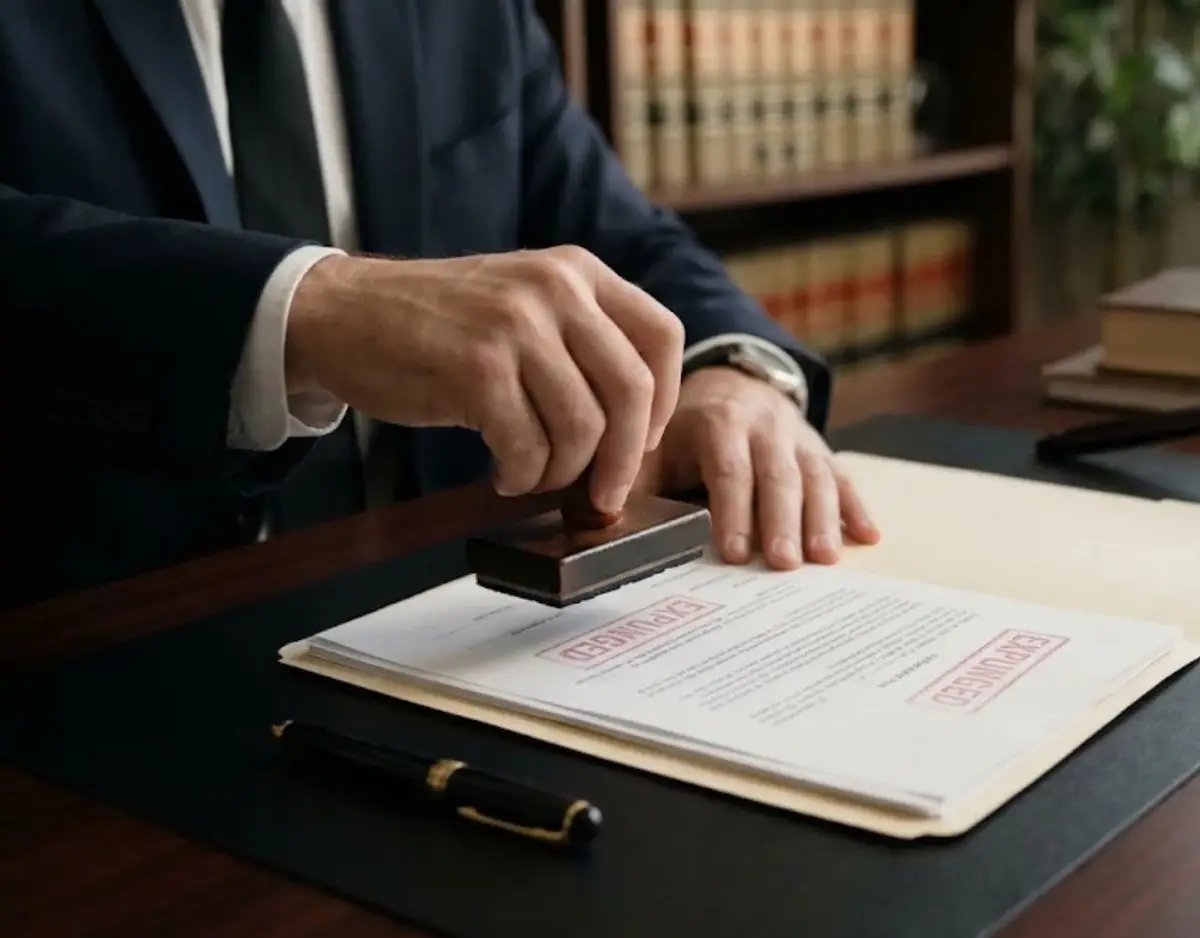
Choosing a criminal defense lawyer in Anderson is an important decision. The stakes are high when you are facing criminal charges, and it helps to meet with a lawyer who is willing to explain your case, the process, and what to expect. To help you make an informed decision, this page lists questions you can ask during an initial consultation. The answers can help you understand a lawyer’s background and communication style and decide whether you are comfortable working together.
As you prepare, think about what matters most to you, such as the lawyer’s experience with similar charges, how the lawyer will keep you informed, and how fees work. These are questions to ask any lawyer you meet, not only ours. If you would like to talk with our criminal defense law firm in Anderson County, call (864) 777-8062. A licensed South Carolina attorney at our firm must review the facts of a case before anyone relies on general information like this page.
The Importance of Choosing the Right Defense Lawyer
A defense lawyer can explain the law, courtroom procedures, and how your charge is likely to move through the court, and can review the specifics of your case. A lawyer can review the evidence, point out possible weaknesses in the prosecution’s case, discuss plea offers with the prosecutor, and prepare for trial if the case goes that way. No lawyer can promise a particular outcome, and you should be cautious of anyone who does. South Carolina’s Rules of Professional Conduct prohibit a lawyer from making communications that are likely to create an unjustified expectation about the results the lawyer can achieve (Rule 7.1, Rule 407, SCACR).
The criminal justice system also has many rules, procedures, and deadlines that can be hard to follow without legal training. Understanding your rights, the meaning of your charges, and the options available can feel like a lot. A lawyer can help explain legal terms and each step of the criminal court process so that you can make informed decisions. The lawyer must keep you reasonably informed about the status of your matter, respond to reasonable requests for information, and explain a matter to the extent reasonably necessary for you to make informed decisions (Rule 1.4, Rule 407, SCACR).

Having a lawyer can also bring some reassurance during a stressful time. Whichever lawyer you choose, you should feel that your questions are answered and that you understand what is happening in your case.
Important Questions to Ask a Defense Lawyer Before Hiring Them
When you are facing criminal charges, asking the right questions can help you judge a lawyer’s experience, approach, and fit with your needs. This section outlines questions to consider when you meet with any defense lawyer.
What is Your Experience with Cases Like Mine?
Ask about the lawyer’s experience with charges like yours and with the court that will hear your case. Ask what challenges cases like yours tend to raise. Keep in mind that every case is different, and a lawyer’s past work does not predict the result in your case.
What is Your Strategy for My Case?
Ask the lawyer to explain the approach to your case. This may involve possible legal issues, defenses that may apply, and how the lawyer would plan to gather and review evidence. The answer can help you understand the lawyer’s thinking, though a lawyer may not be able to give a full strategy at a first meeting before reviewing the evidence.
What Are the Possible Outcomes?
No lawyer can guarantee results, and you should be careful about anyone who does. A lawyer should be able to describe a range of possible outcomes for the charge, based on the law and the facts. This conversation can help set realistic expectations and guide your decision about whether to go to trial or consider a plea deal. In a criminal case, the decision about a plea, whether to waive a jury trial, and whether to testify is the client’s to make after consulting with the lawyer (Rule 1.2, Rule 407, SCACR).
How Often Do You Take Cases to Trial?
Ask about the lawyer’s trial experience and how the lawyer decides between negotiating and trying a case. The answer can tell you how the lawyer approaches the choice between a plea and a trial, and what that choice depends on.
Who Will Handle My Case?
Clarify who will be directly responsible for your case. If the attorney you meet with is not the one managing your case, ask about the background of the person who will. This helps you feel comfortable with the individual handling your legal matter.
What Are the Fees and Payment Structure?
Understanding how much a defense lawyer costs helps with planning. Ask for a clear explanation of the fee, including any retainer, hourly rates, and additional costs that may arise during your case. Under the Rules of Professional Conduct, the scope of the representation and the basis or rate of the fee and expenses must be communicated to the client, preferably in writing, before or within a reasonable time after the representation begins. A lawyer also may not charge or collect a contingent fee for representing a defendant in a criminal case (Rule 1.5, Rule 407, SCACR).
How Will We Communicate?
Good communication matters in a lawyer-client relationship. Ask how often you can expect updates, which methods of contact the lawyer prefers, and who your main point of contact will be. Setting this up early can help you stay informed throughout the process.
What Are My Rights and Responsibilities During the Case?
Understanding your rights and obligations can help you handle your case. A lawyer should be able to explain your rights in the criminal process, such as the right to counsel, and tell you what to do and what to avoid while the case is pending. This can help you avoid missteps that could affect your case.
How Long Will My Case Take?
Timelines vary a great deal, and a lawyer cannot control the court’s schedule. Ask the lawyer for a general idea of what the steps are and how long they commonly take, and ask what could make the timeline shorter or longer. Knowing the general timeline can help you plan, while understanding it is an estimate.

Do You Have References or Case Outcomes?
You can ask a lawyer for references or about experience in similar matters. Be careful about relying on a lawyer’s past results. Under the Rules of Professional Conduct, a lawyer’s communications about the lawyer’s services must not be false or misleading, and a past result in one matter does not mean a similar result in yours. A lawyer may also be limited in what can be shared about a client’s matter because of confidentiality duties.
What Should I Expect in Terms of Plea Deals?
If you are wondering if you should take a plea deal, discuss it with the lawyer. A lawyer must promptly tell you about a plea offer from the prosecutor, and the decision whether to accept it is yours (Rule 1.4 and Rule 1.2, Rule 407, SCACR). Ask the lawyer to explain what an offer would mean for you before you decide.
How Often Do You Work in the Court Where My Case Will Be Heard?
Ask whether the lawyer has handled cases in the court that will hear your case, and what the lawyer can tell you about how that court’s process works. Familiarity with a court’s procedures can help you understand what to expect, but it does not change the facts or the law that apply to your case.
What Sets You Apart from Other Defense Lawyers?
Each lawyer has a different background, style, and approach. Asking this question can help you decide whether a lawyer is a good fit for you. Compare the answers you receive from the lawyers you meet, and weigh them against how comfortable you are with each one.
These questions can give you a clearer picture of a lawyer’s background, approach, and fit for your needs. Having this conversation can help you choose a lawyer who explains things clearly and keeps you informed.
Have More Questions? Get in Touch with an Anderson Defense Lawyer
Choosing a criminal defense lawyer in Anderson is an important choice. Asking questions can help you understand a lawyer’s background and approach, and how the lawyer would handle your case.
If you would like to talk with our firm, you can schedule a free consultation with a criminal defense attorney to discuss your situation and ask these questions. No outcome can be promised.