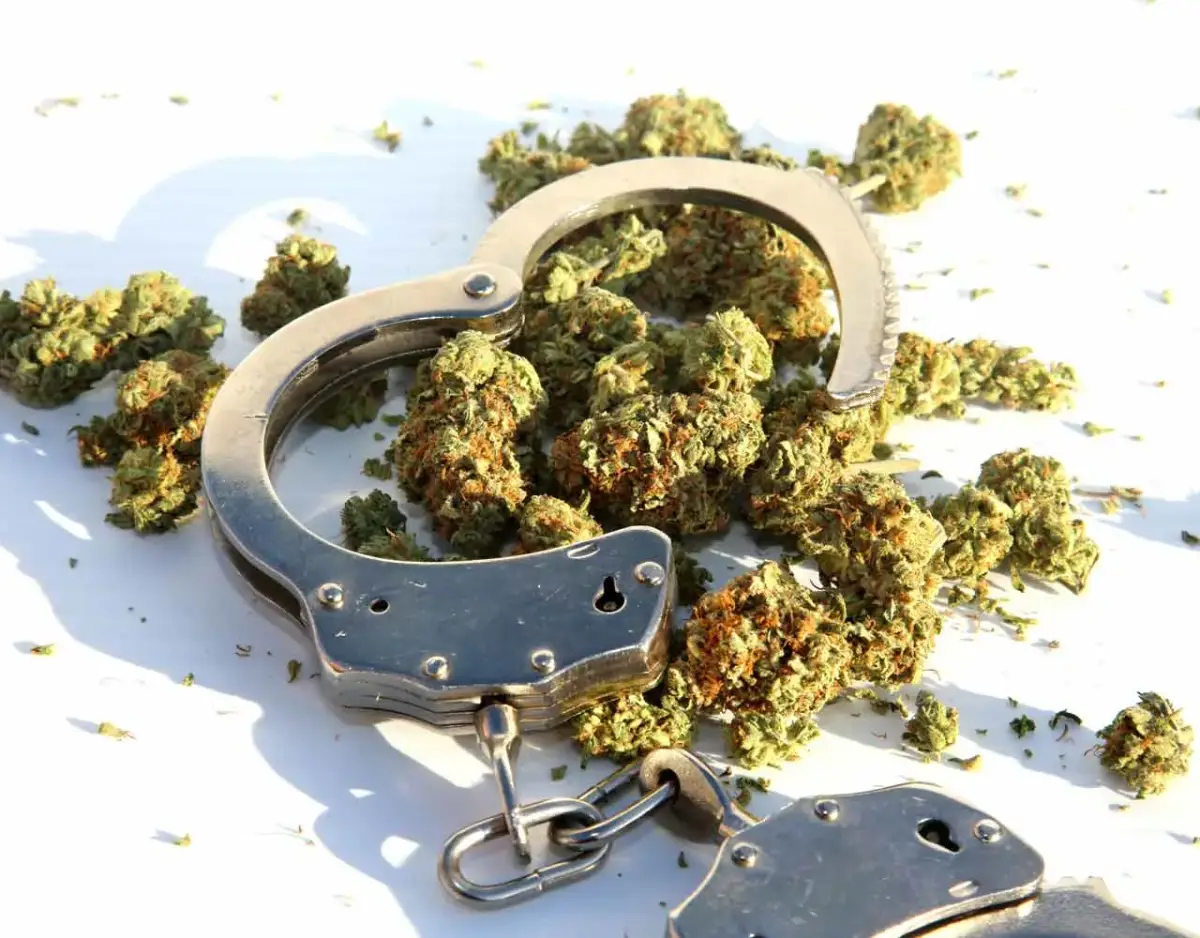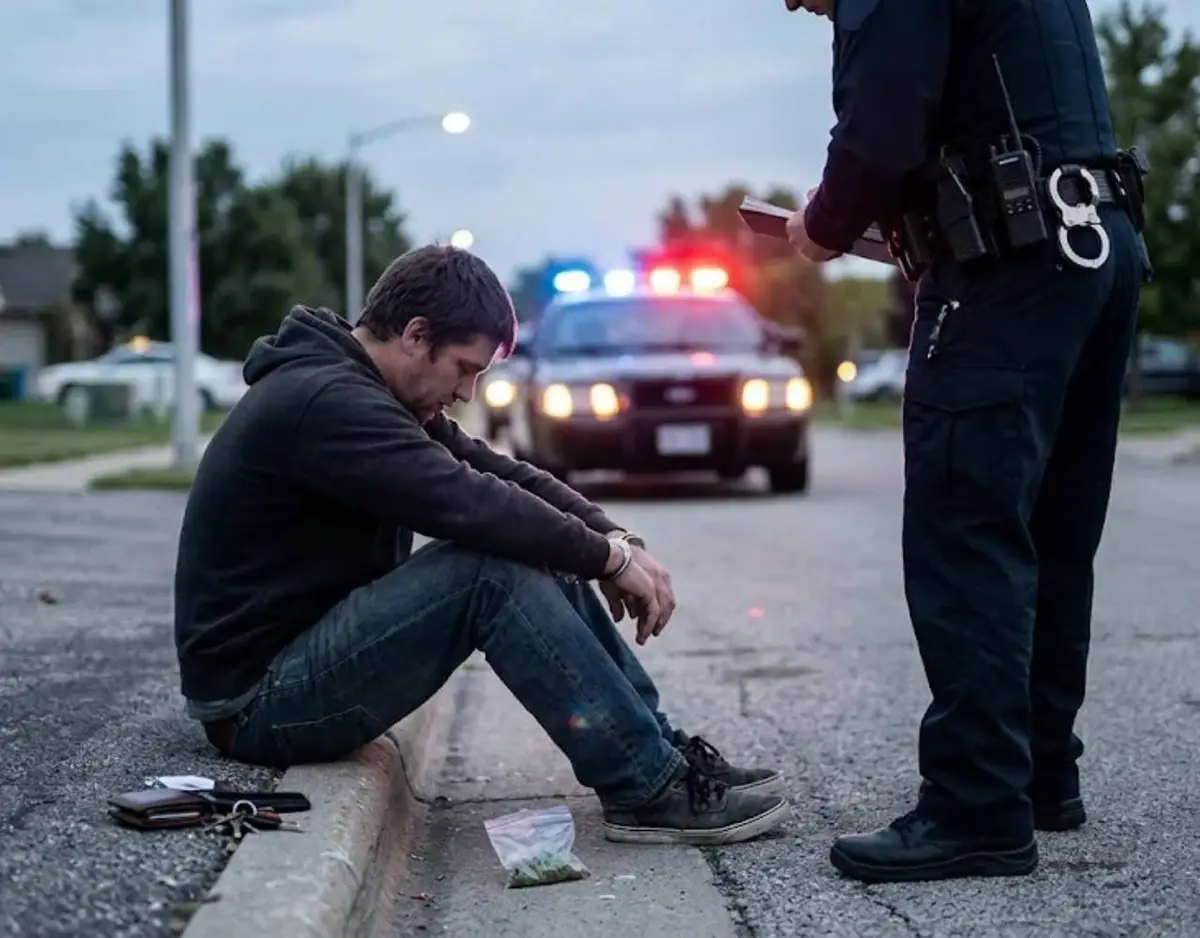
A drug possession arrest in Anderson can turn your week upside down. One traffic stop or one search, and suddenly you face a charge that could follow you for years.
Here is the good news. A charge is not a conviction. Simple possession charges in South Carolina often leave room for a strong defense, a reduced charge, or a diversion program that keeps a conviction off your record.
At Touma Law Group, our team includes military veterans and former prosecutors. We know how the state builds drug cases because some of us used to build them. Now we use that knowledge to protect people in Anderson County.
Call our Anderson office at (864) 777-8062 or request a free consultation today. We will review your arrest and explain your options.
What Simple Possession Means Under South Carolina Law

Simple possession means having a controlled substance for your own use, without a valid prescription. South Carolina Code Section 44-53-370(c) makes it illegal to “knowingly or intentionally” possess a controlled substance.
That word “knowingly” matters. Prosecutors must show you knew the drugs were there and had control over them. Being near drugs is not the same as possessing them.
Actual Possession vs. Constructive Possession
South Carolina recognizes two kinds of possession. Many Anderson cases turn on which one the state claims.
| Type | What It Means | Common Example |
|---|---|---|
| Actual possession | The drug is on your body or in your direct control | A baggie in your pocket or hand |
| Constructive possession | You had the power and intent to control the drug, even if it was not on you | Pills in a car’s console or a bedroom you share |
Constructive possession cases often rest on circumstantial evidence. If three people ride in one car and officers find drugs under a seat, the state still has to connect those drugs to you. That gap can be a real weakness in the case.
Potential Penalties for Simple Possession in South Carolina
The potential penalties depend on the substance and your prior record. Most first offenses are misdemeanors. A second or third offense can become a felony.
| Substance | First Offense | Second Offense | Third or Later Offense |
|---|---|---|---|
| Marijuana (1 oz or less) or hashish (10 g or less) | Misdemeanor, up to 30 days, $100 to $200 fine | Up to 1 year, $200 to $1,000 fine | Up to 1 year, $200 to $1,000 fine |
| Cocaine | Misdemeanor, up to 3 years, up to $5,000 | Felony, up to 5 years, up to $7,500 | Felony, up to 10 years, up to $12,500 |
| Heroin, LSD, and other Schedule I(b)/(c) or Schedule II narcotics | Misdemeanor, up to 2 years, up to $5,000 | Felony, up to 5 years, up to $5,000 | Felony, up to 5 years, up to $10,000 |
| Most other Schedule I to V drugs (for example, many pills) | Misdemeanor, up to 6 months, up to $1,000 | Up to 1 year, up to $2,000 | Up to 1 year, up to $2,000 |
Source: S.C. Code § 44-53-370(d). These are maximum penalties, not typical sentences.
Penalties for Methamphetamine and Cocaine Base
Meth and crack cocaine (cocaine base) fall under a separate statute, S.C. Code § 44-53-375. Possession of less than one gram carries these penalties:
- First offense: misdemeanor, up to 3 years in jail, a fine up to $5,000, or both
- Second offense: felony, up to 5 years, a fine up to $7,500, or both
- Third or later offense: felony, up to 10 years, a fine up to $12,500, or both
A judge also has sentencing discretion. For a first offense, the court may approve a drug treatment program as part of the sentence. Probation is possible in many cases.
What Shapes Jail Time in a Real Case
The statute sets the ceiling. Your actual outcome depends on factors like these:
- Your criminal history, including any earlier drug offense
- The type of drug and the drug quantity
- How the search happened and whether it was lawful
- Whether you qualify for a diversion program
- The strength of the state’s evidence
How a Possession Arrest Turns Into an Intent Charge

This is where many Anderson cases get serious fast. Officers sometimes arrest a person for possession, then the solicitor files a possession with intent to distribute (PWID) charge instead.
The legal distinction is purpose. Simple possession means drugs for personal drug use. An intent charge means the state believes you planned to sell or share them.
Statutory Weight Thresholds That Trigger a Presumption of Intent
South Carolina law sets weights that count as “prima facie” evidence of intent. In plain terms, above these amounts, the law lets prosecutors argue intent to distribute from the weight alone.
| Substance | Amount That Supports an Intent Charge |
|---|---|
| Marijuana | More than 28 grams (1 ounce) |
| Hashish | More than 10 grams |
| Cocaine | More than 1 gram |
| Methamphetamine or cocaine base | 1 gram or more |
| Heroin | More than 2 grains |
| Fentanyl | More than 2 grains |
Source: S.C. Code §§ 44-53-370(d)(5) and 44-53-375(B).
A presumption of intent does not mean automatic guilt. The state still has to prove its case. Lab weights can include packaging or mixed substances, and we review lab reports closely for exactly that reason.
Additional Indicators Prosecutors Point To
Weight is only one piece. The type of evidence prosecutors use to push an intent charge often includes:
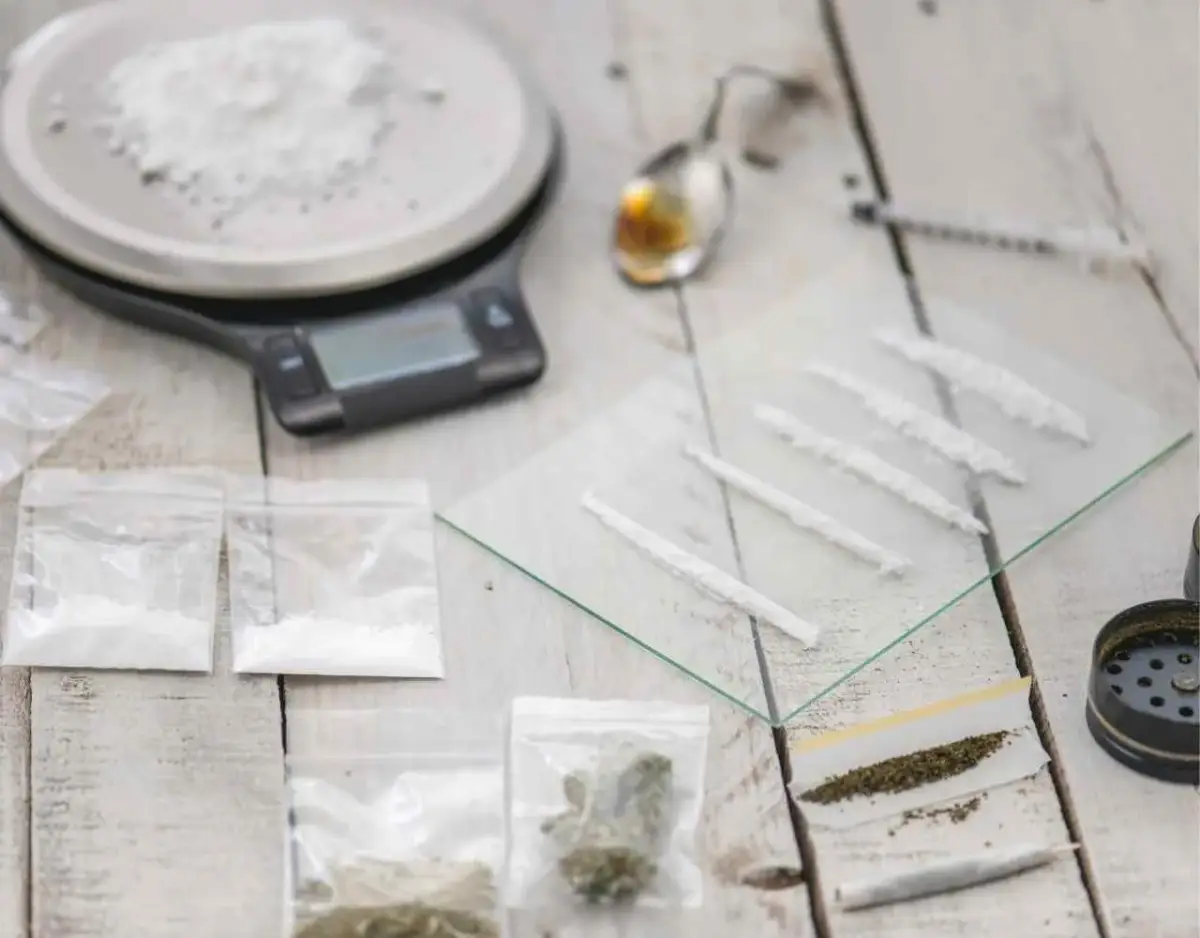
- Drugs packaged in separate amounts or small baggies
- Digital scales, ledgers, or large amounts of cash
- Frequent communications on a phone that suggest sales activity
- Witness statements from informants or co-defendants
- Search findings from a home or vehicle
On the other side, personal-use items like a single pipe or rolling papers can support the argument that the drugs were for your own use.
Simple Possession vs. Distribution Penalties
The gap between these charges is huge. Here is how first-offense prison sentences compare for cocaine, meth, and crack.
| Charge (First Offense) | Classification | Maximum Penalty |
|---|---|---|
| Simple possession of cocaine | Misdemeanor | Up to 3 years, up to $5,000 |
| Simple possession of meth or crack (under 1 g) | Misdemeanor | Up to 3 years, up to $5,000 |
| PWID cocaine | Felony | Up to 15 years, up to $25,000 |
| PWID meth or crack | Felony | Up to 15 years, up to $25,000 |
| Trafficking meth or crack (10 to under 28 g) | Felony | 3 to 10 years, $25,000 fine, no suspension |
Source: S.C. Code §§ 44-53-370(b) and 44-53-375(B), (C).
A felony distribution conviction brings far heavier distribution penalties and a permanent felony record. Fighting to keep the case at the possession level can make an enormous difference.
Weak Spots We Look For in the State’s Evidence
Every case is different, and no defense works every time. Still, our criminal defense lawyers start by testing each piece of the state’s case:
- Was the search legal? Officers need a warrant, valid consent, or a recognized exception. Evidence from an unlawful search may be suppressed.
- Can the state prove you knew about the drugs? Shared cars and shared homes make constructive possession harder to prove.
- Does the lab report hold up? We check testing methods, weights, and the chain of custody.
- Does the evidence really show intent? Without scales, cash, or messages, an intent charge may not fit the facts.
- Did officers respect your rights? Statements taken without proper warnings can raise legal issues.
Conditional Discharge, PTI, and Other Diversion Programs
For many first-time defendants, diversion programs offer a path that avoids a conviction. South Carolina has several options.
| Program | Who It Generally Fits | What Happens on Completion |
|---|---|---|
| Conditional discharge (S.C. Code § 44-53-450) | People with no prior drug conviction charged with simple possession, including meth or crack under 1 gram | Case dismissed without a conviction; record may be expunged |
| Pretrial Intervention (PTI) | First-time offenders accepted by the solicitor’s office | Charge dismissed; record may be expunged |
| Drug treatment programs | Some defendants, with court and solicitor approval | Varies by program and court |
Conditional discharge can only be used once in a lifetime. Upon completion, the law treats the case as “not a conviction.” Choosing between PTI and conditional discharge is a strategic decision, so talk with a lawyer before you use either one.
Long-Term Consequences of a Drug Conviction

Even a misdemeanor can follow you. A conviction for any substance offense can create long-term consequences such as:
- A criminal record that shows up on job and housing background checks
- Harsher penalties for any future drug charge
- Problems with professional licenses or military careers
- Possible effects on gun rights
A second or third offense can mean a felony record, which makes these problems worse.
What to Do After a Drug Arrest in Anderson
The steps you take early can shape the whole case.
- Stay quiet. Politely decline to answer questions about the drugs without a lawyer.
- Do not consent to more searches. Say clearly that you do not consent.
- Write down what happened while it is fresh, including who was present.
- Avoid posting or texting about the arrest.
- Call a defense attorney before your first court date.
Where Anderson County Possession Cases Are Heard
The Tenth Judicial Circuit Solicitor’s Office prosecutes criminal cases in Anderson County. Lower-level cases, like small marijuana charges, often start in magistrate or municipal court. More serious possession cases, including cocaine and meth charges, usually move to the Court of General Sessions in Anderson.
Each court has its own judges, procedures, and diversion options. Local experience helps you know what to expect at every hearing.
Facing a Possession Charge in Anderson? Talk to Us Before You Decide Anything

You do not have to guess your way through this. Our team fights for clients across Anderson County with military discipline and real compassion for people in a hard moment. We will review the search, the evidence, and every option open to you, from diversion to trial.
Call Touma Law Group at (864) 777-8062 or reach out online for a free case review. The sooner we start, the more options we can protect.
Frequently Asked Questions
Usually not for a first offense. A repeat offense involving cocaine, meth, crack, or certain narcotics can become a felony.
Yes. The maximum ranges from 30 days for small amounts of marijuana to 3 years for cocaine, meth, or crack.
You complete probation without a conviction, and then the judge dismisses the case. You can use it only once.
Yes, under constructive possession. The state must still prove you knew about the drugs and could control them.
Often, yes, if conditional discharge or PTI leads to a dismissal.