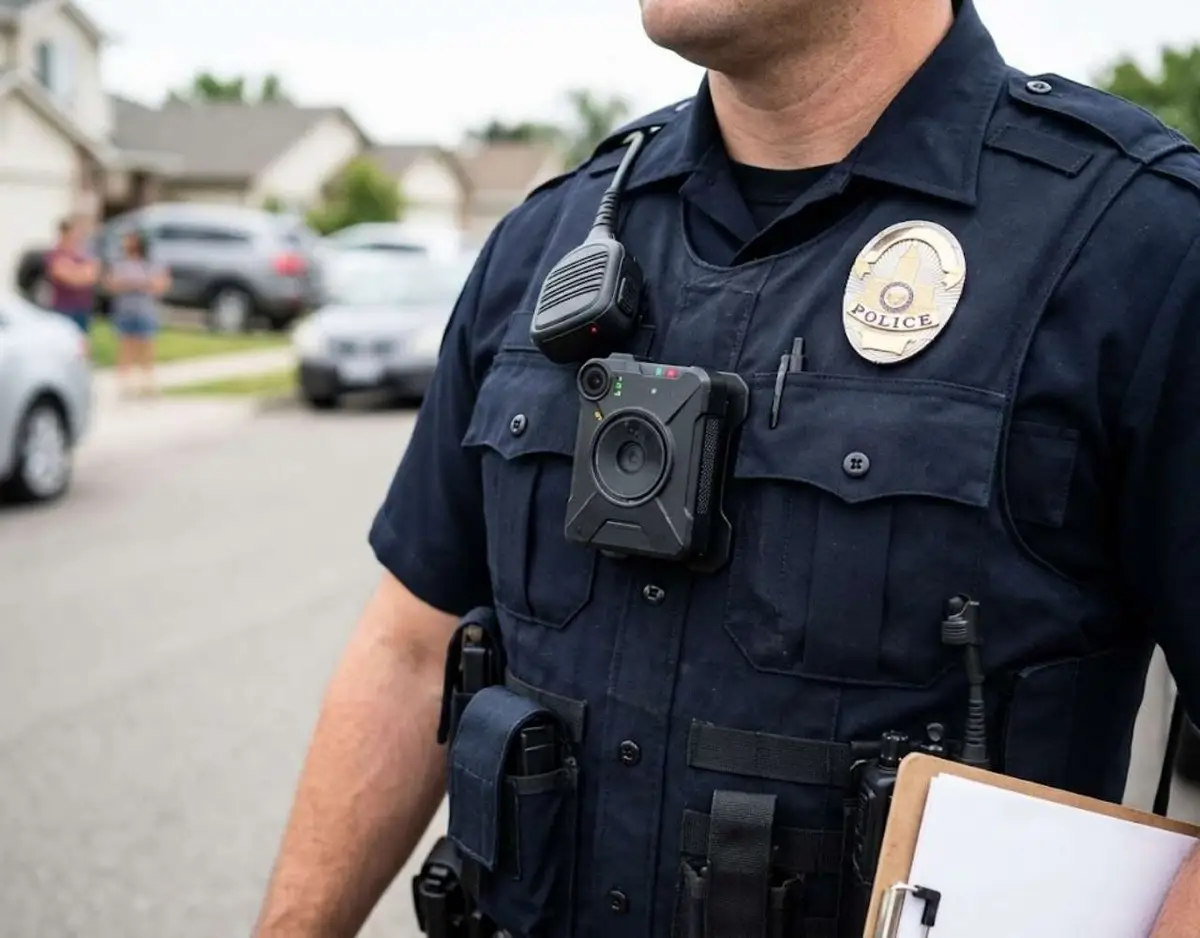
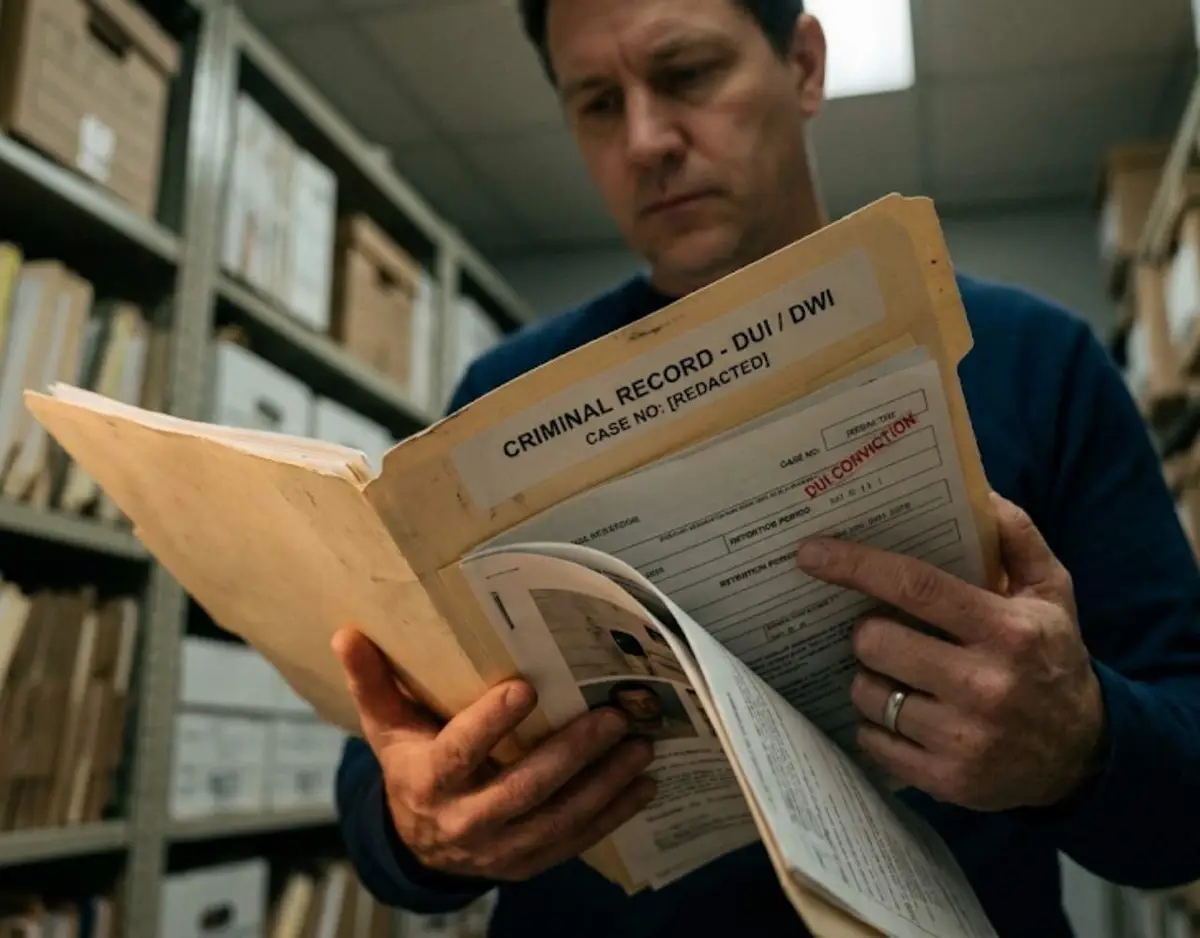
A DUI arrest can feel overwhelming, confusing, and frightening. From flashing blue lights to handcuffs and a night in jail, many people are left wondering what happens after a DUI and what steps should be taken next. In Anderson, South Carolina, some deadlines in a DUI case begin right after the arrest, and early decisions can affect the outcome, so guidance from an Anderson DUI Lawyer can be important during this time.
Understanding what to do after a DUI in Anderson, SC, can help you protect your driver’s license, understand the criminal charges, and plan for long-term consequences. Knowing how South Carolina law works and what rights apply can make a meaningful difference during the days and weeks following an arrest. A licensed South Carolina attorney at the firm must review the facts of your case before you rely on the general information on this page.
The DUI Arrest and Police Investigation
Most DUI cases begin with a traffic stop initiated by a law enforcement officer. An officer may stop a vehicle after observing erratic driving, speeding, or another alleged traffic violation. During the investigation, the officer looks for signs of impairment such as slurred speech, the odor of alcohol, or bloodshot eyes.
Field Sobriety and Probable Cause
To establish probable cause, a police officer may ask a driver to perform field sobriety tests. These often include the horizontal gaze nystagmus test, walk-and-turn, and one-leg stand. These tests are not mandatory. South Carolina law states that a refusal to take a field sobriety test does not constitute disobeying a police command (S.C. Code Ann. § 56-5-2953(A)(1)(b)). Refusing the tests does not prevent an arrest if the officer has other evidence.
If the officer arrests a driver for DUI, the driver will be asked to take a breath test or another chemical test to measure alcohol concentration.

Implied Consent and Chemical Testing in South Carolina
South Carolina has an implied consent law. Under it, a person who drives a motor vehicle in this State is considered to have consented to chemical tests of breath, blood, or urine if arrested for DUI (S.C. Code Ann. § 56-5-2950).
Breath Tests, Chemical Tests, and Refusals
An officer will offer a breath test first. Before a test is given, and after the video recording equipment is activated, the person must be given a written copy of, and verbally told, certain rights. These include that the person does not have to take the test, that the privilege to drive must be suspended or denied for at least six months if the person refuses, that the refusal may be used against the person in court, and that the person may request a contested case hearing within 30 days of the notice of suspension.
A refusal, or a test result of 0.15% or more, leads to an administrative suspension that is separate from the criminal court case. The notice of suspension is effective beginning on the date of the alleged violation, and the hearing is held before the Office of Motor Vehicle Hearings, not in the criminal court (S.C. Code Ann. § 56-5-2951).
The law sets requirements for the breath test, including that it be given by a person trained and certified under SLED policies and that a simulator test be performed first. Issues such as equipment calibration, chain of custody, and officer compliance with testing procedures can later become important in a DUI defense.

Jail, Bail, and Release After a DUI Arrest
After arrest, drivers are transported to jail for booking. This includes fingerprinting, photographs, and preparation of an arrest report and a uniform traffic ticket.
Bail or Bond and Release Timing
A common question is when you get released from jail after a DUI. How quickly a person is released depends on several factors, including the charge, prior offenses, and whether an accident occurred, and no single timeline applies to every case. Some people are released on bail or bond sooner than others.
Before police question a person who is in custody, they must give Miranda warnings, including the right to remain silent under the Fifth Amendment (Miranda v. Arizona, 384 U.S. 436 (1966)). You can read more about your Miranda Rights. Exercising the right to remain silent can help prevent statements from being used later in court.
Criminal Charges and the DUI Court Process
A DUI arrest leads to formal criminal charges and starts court proceedings. A DUI offense carrying imprisonment of 90 days or less may be tried in magistrates court (S.C. Code Ann. § 56-5-2930(K)), while cases with greater possible penalties are generally heard in General Sessions Court. A person charged under the DUI statute is entitled to a jury trial.
Pre-Trial Conferences and Court Proceedings
Before trial, cases often involve pre-trial conferences, motions, and negotiations. A defense attorney may review video recordings, police reports, and testing procedures for errors. South Carolina law requires video recording of the incident site and the breath test site (S.C. Code Ann. § 56-5-2953). Pretrial intervention is not available for a person charged with DUI or driving with an unlawful alcohol concentration, unless the solicitor determines that the elements of the crime do not fit the charge (S.C. Code Ann. § 17-22-50).
Learn More: What is Pre-Trial Intervention in SC?
Plea Deals and Trials
In some cases, prosecutors may offer a plea agreement. Other cases may proceed to a jury trial or a bench trial. Each option carries risks and benefits that should be carefully evaluated with legal guidance.
Driver’s License Consequences After a DUI
DUI arrests often trigger driver’s license consequences through the SC DMV.
Administrative Hearing and License Suspension
A driver may request a contested case hearing to challenge an administrative suspension within 30 days of the notice of suspension. A driver who does not request the hearing waives it, and the suspension continues (S.C. Code Ann. § 56-5-2951(B) and (D)).
Temporary and Restricted Licenses
Within the same 30 days, a driver may obtain a temporary alcohol license for a $100 fee. It allows the driver to drive without restrictive conditions while the hearing is pending. A driver may instead enroll in the Ignition Interlock Device Program. After a conviction, a first-time offender enrolls in the program, ends the suspension, and obtains an ignition interlock restricted license for six months, and is not eligible for a provisional license (S.C. Code Ann. § 56-5-2990). The SC DMV publishes license reinstatement information.
Ignition Interlock and Insurance Requirements
Drivers who are convicted of DUI must install an ignition interlock device before the license is reinstated (S.C. Code Ann. § 56-5-2941). Others may be required to prove financial responsibility, such as with SR-22 insurance, and to pay a reinstatement fee. The DMV also has a reinstatement fee payment program that may allow a person to pay over time if the person qualifies (S.C. Code Ann. § 56-1-395).

Penalties for a DUI First Offense in South Carolina
A DUI in South Carolina, 1st offense, still carries serious penalties. A DUI first offense SC conviction may include (S.C. Code Ann. § 56-5-2930):
- A fine of $400 or imprisonment for 48 hours to 30 days, with higher penalties at higher alcohol concentrations (a fine of $500 or 72 hours to 30 days at 0.10% to less than 0.16%, and a fine of $1,000 or 30 to 90 days at 0.16% or more)
- Public service employment in place of the minimum jail time for some first offenses
- Court costs and assessments
- An ignition interlock restricted license for six months
- Mandatory enrollment in and completion of an Alcohol and Drug Safety Action Program
A person who stops making progress in the Alcohol and Drug Safety Action Program can have the license suspended until the program is completed (S.C. Code Ann. § 56-5-2951(J)).
The Civil Side of a DUI Case
If a DUI involved a crash, there may also be a civil side to the case. Injury claims, property damage disputes, and insurance issues may proceed separately from the criminal process. These cases often require careful coordination to protect legal rights on both fronts.
Why Legal Representation Matters
DUI cases involve criminal investigations, strict procedures, and serious consequences. A DUI attorney can review whether probable cause existed, whether the arresting officer followed proper protocol, and whether evidence such as breath test results or other chemical tests can be challenged.
A defense attorney may also review whether law enforcement followed the standards set by the South Carolina Law Enforcement Division, including the training and certification requirements and the testing procedures for breath tests.

Taking the Next Step After a DUI in Anderson, SC
Knowing what to do after a DUI includes acting quickly and understanding the legal options. Early involvement allows for review of evidence, preservation of video footage, and planning before deadlines arrive.
Those facing DUI charges in the Anderson and Upstate area are encouraged to seek guidance as soon as possible. To learn more or schedule an initial consultation, contact us at (864) 777-8062 to talk about next steps and your options. A licensed South Carolina attorney at the firm must review the facts of your case before you rely on general information.
Frequently Asked Questions
What Should You Do After Getting a DUI in South Carolina?
After a DUI arrest, it is important to comply with all release conditions, review your arrest paperwork, and avoid discussing the case publicly. The deadline to request a contested case hearing on a license suspension is 30 days from the notice of suspension, so acting early can help protect your driving privileges.
What Happens Immediately After a DUI Arrest?
After a DUI arrest, individuals are typically taken to jail for booking, which includes fingerprinting, photographs, and the issuing of a uniform traffic ticket. When a person is released depends on the circumstances of the arrest and the person’s prior history.
Is Your License Suspended Immediately After a DUI in South Carolina?
Not in every case. The DMV suspends a license when a driver refuses the breath test or has an alcohol concentration of 0.15% or more, and the notice of suspension is effective beginning on the date of the alleged violation. A driver may request a contested case hearing within 30 days and may obtain a temporary alcohol license or enroll in the Ignition Interlock Device Program. This suspension is separate from the criminal court case and can happen before a conviction.
What Happens With Your First DUI in South Carolina?
A first DUI offense in South Carolina can still carry serious penalties, including a fine or jail time, an ignition interlock requirement, and a mandatory Alcohol and Drug Safety Action Program. The penalties depend on the alcohol concentration and on whether other factors are present.
Can a DUI Charge Be Reduced to a Lesser Offense in South Carolina?
In some cases, a DUI charge is resolved with a plea to a lesser offense, such as reckless driving. Whether that is possible depends on the facts of the case, the strength of the evidence, and any legal or procedural issues found during review, and no one can promise a result.
How Can a South Carolina DUI Defense Lawyer Help After a DUI Arrest?
A DUI defense lawyer can review the legality of the traffic stop, examine testing procedures, explain your license options, and guide the case through court proceedings. Early legal guidance can help you avoid mistakes and understand your options.