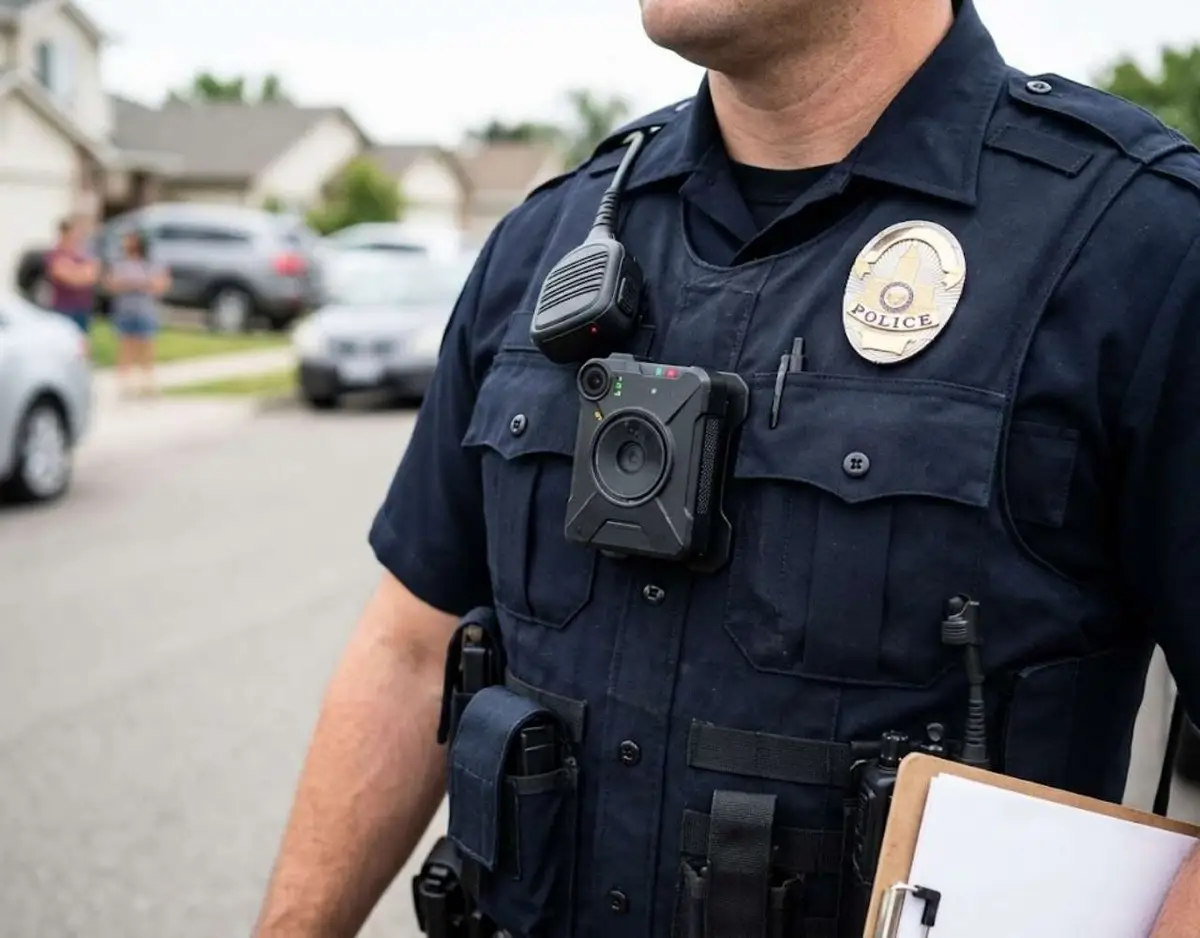
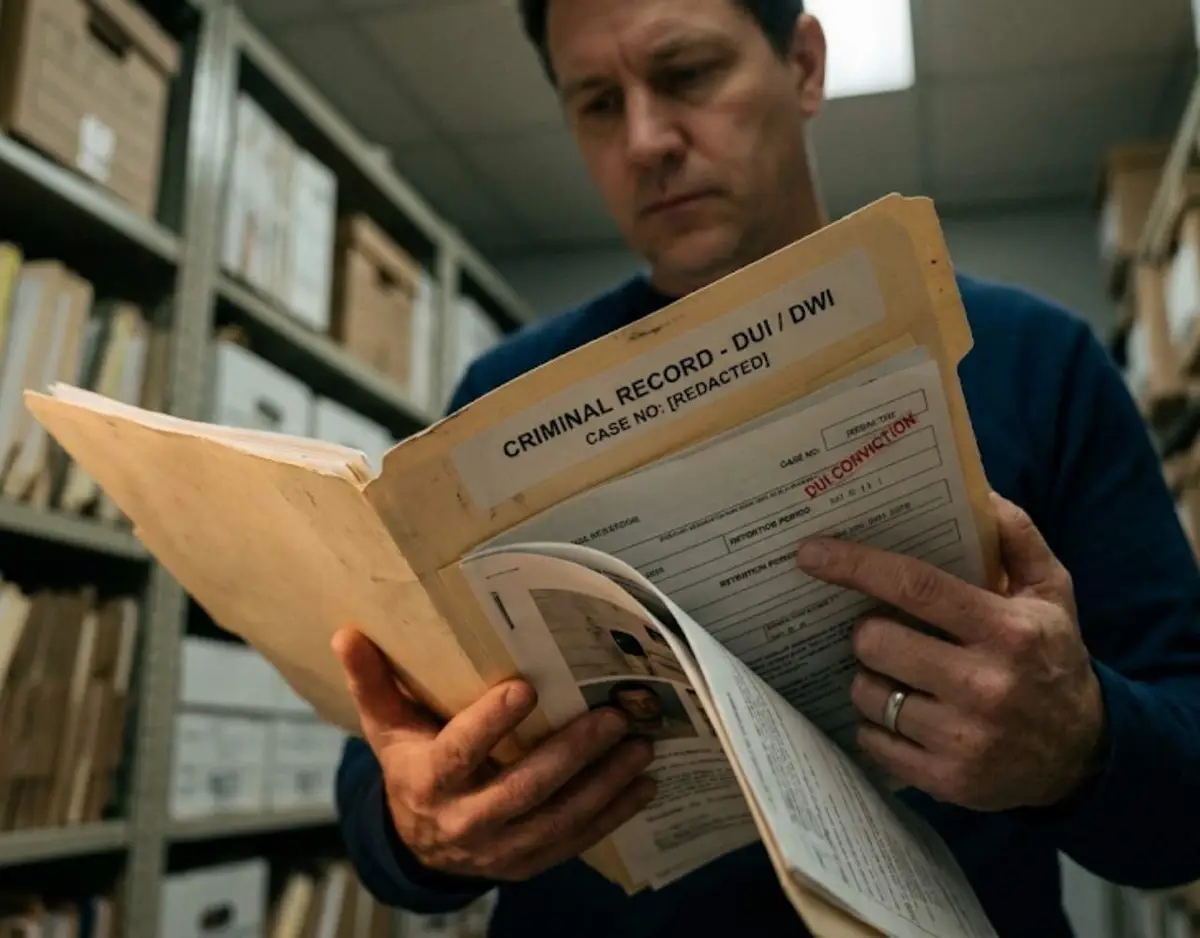
Being arrested for driving under the influence is a stressful and overwhelming experience. Many people feel unsure of their rights and what to do after a DUI in Greenville.
South Carolina takes DUI charges seriously, and even a first offense can bring a license suspension, jail time, fines and an ignition interlock requirement. A Greenville DUI lawyer can review the facts of your case and explain your options. This guide is general information, not legal advice. A licensed South Carolina attorney at Touma Law Group must review the facts of your case before you rely on any of it.

Step 1: Understand the DUI Charge
After an arrest, it’s important to understand what the DUI charge means. In South Carolina, a person can be charged with DUI for driving while materially and appreciably impaired by alcohol, drugs or both (S.C. Code Ann. § 56-5-2930), or with driving with an unlawful alcohol concentration (DUAC) of 0.08 percent or more (S.C. Code Ann. § 56-5-2933). The penalties are explained in detail on our South Carolina DUI penalties guide. A DUI charge is not the same as a conviction, but failing to respond quickly can make the situation worse.
Step 2: Know What Tests Mean for Your Case
When pulled over, police officers often use field sobriety tests to look for signs of impairment. These may include the horizontal gaze nystagmus test, the walk-and-turn and the one-leg stand. A refusal of a field sobriety test does not constitute disobeying a police command (S.C. Code Ann. § 56-5-2953(A)(1)(b)). The exception is a crash in which the officer suspects the driver caused a death, and that driver must submit to the tests (S.C. Code Ann. § 56-5-2948).
After an arrest, the officer will offer a breath test and may ask for a blood or urine sample. Anyone who drives in South Carolina is considered to have consented to these chemical tests if arrested for DUI (S.C. Code Ann. § 56-5-2950). The results can be used in court, and a lawyer can review how the test was given, whether the testing policies were followed and how the equipment was maintained.
Related: Felony DUI Lawyer in Greenville
Step 3: Expect an Immediate Impact on Driving Privileges
One of the first consequences after a DUI arrest is an administrative license suspension that is separate from the criminal case. Under South Carolina law, the suspension applies if you refuse the chemical test or take it and the result is 0.15 or more. With no prior DUI-related conviction or suspension in the preceding ten years, the suspension is six months for a refusal and one month for a result of 0.15 or more, and it is longer with prior offenses (S.C. Code Ann. § 56-5-2951).
Within 30 days of the notice of suspension, you may request a contested case hearing, and you can either enroll in the Ignition Interlock Device Program or get a Temporary Alcohol License from SCDMV (S.C. Code Ann. § 56-5-2951(B)). If you do not request a hearing in time, you waive the right and the suspension continues. Read more about how your license can be suspended.

Step 4: Prepare for Court Appearance and the Court Process
A DUI case involves both an administrative process and a criminal process. The administrative process focuses on the license suspension, while the criminal case involves penalties such as fines, jail time or probation. A person charged with DUI has the right to a jury trial (S.C. Code Ann. § 56-5-2935), and a first offense may be tried in magistrates court (S.C. Code Ann. § 56-5-2930(A)(1)). Missing a court date can have serious consequences.
During the court process, there may be opportunities to negotiate, but what happens depends on the evidence, the arresting officer’s testimony and the arguments raised by your legal representation. No outcome can be promised.
Step 5: Consider the Consequences Beyond Court
The effects of a DUI charge extend beyond the courtroom. A conviction requires enrollment in and completion of an Alcohol and Drug Safety Action Program (S.C. Code Ann. § 56-5-2930(H)) and an ignition interlock requirement. When SCDMV suspends a license after a conviction, it also suspends the registration unless the person gives and maintains proof of financial responsibility, which many people call SR-22 insurance (S.C. Code Ann. § 56-9-500). That is one way a conviction can affect your insurance. An insurer may not raise premiums, add surcharges or cancel a policy based only on a DUI charge unless the person is convicted (S.C. Code Ann. § 56-5-2951(N)).
For those who rely on a commercial vehicle for work, the impact can be greater. Federal rules bar a commercial driver from performing safety-sensitive functions with an alcohol concentration of 0.04 or greater (49 C.F.R. § 382.201), and an employer may decide not to let a driver with a DUI operate company vehicles.
Step 6: Review the Police Report and Evidence
After you’re arrested for DUI, the arresting officer will prepare a police report. This document includes details about the stop, the field sobriety tests, and the results of any breath or blood test. Reviewing this report carefully is important. State law also requires video recording of the incident site and the breath test site (S.C. Code Ann. § 56-5-2953). A DUI defense attorney can compare the report and the video, look for errors or inconsistencies, and explain whether any problem could be raised in your case.

Step 7: Understand the Ignition Interlock Requirement
In South Carolina, the ignition interlock device program is part of the DUI process at more than one stage. The device requires a driver to pass a breath test before starting the car.
After every DUI or DUAC conviction, the license is suspended, and the person enrolls in the program to end the suspension and obtain an ignition interlock restricted license. For offenses on or after May 19, 2024, the device is required for six months after a first offense, two years after a second, three years after a third (four years if the third offense is within five years of the first) and for life after a fourth or later offense (S.C. Code Ann. § 56-5-2990). A person who chooses not to install the device stays suspended indefinitely (S.C. Code Ann. § 56-1-400).
The program is also available to a person with an administrative suspension, in place of serving the rest of the suspension, and it is required if an administrative suspension is upheld (S.C. Code Ann. § 56-5-2951). Understanding which of these applies to your case is an important step toward reinstating your driving privilege.
Step 8: Protect Your Future with Strong Legal Representation
Facing DUI charges without legal help can be overwhelming. A DUI defense attorney can review the test results, examine whether the field sobriety tests and chemical tests followed the rules, and communicate with the prosecutor’s office. Legal representation helps make sure your rights are protected and that every step of the court process is handled correctly.
Related: Greenville Misdemeanor DUI Lawyer
Step 9: Know the Potential Penalties
The penalties for DUI in South Carolina increase with each conviction and with the alcohol concentration. A first offense carries a fine of $400 or 48 hours to 30 days in jail, with higher ranges at 0.10 and above. A second or third offense carries a fine and a jail term, with higher ranges as the alcohol concentration rises (S.C. Code Ann. § 56-5-2930), and the ignition interlock requirement grows longer with each offense (S.C. Code Ann. § 56-5-2990). In serious cases where a crash results in injury or death, a separate felony DUI charge or a charge such as reckless homicide may apply (S.C. Code Ann. § 56-5-2945).
Step 10: Take Action Immediately
Time matters in DUI cases. The request for a contested case hearing must be made within 30 days of the notice of suspension, and the right to a hearing is lost if you do not request it in time. Speaking with a lawyer early gives you more time to review the evidence and understand your options.
Free consultations with a DUI defense attorney are available, making it easier to understand your rights and take action right away.

Why Choosing the Right Attorney Matters
When deciding what to do after a DUI, speaking with a lawyer who practices in South Carolina courts is one of the most important steps. A lawyer can explain the statutes, the court procedures and the deadlines that apply to your case.
From reviewing breath test results to reviewing the arresting officer’s report and recordings, every detail can matter.
Conclusion
Being charged with driving under the influence can feel like your entire future is at risk. The possibility of jail time, a license suspension, an ignition interlock requirement and a criminal record makes quick action important. By understanding the court process, reviewing the evidence and working with a licensed South Carolina attorney, you can make informed decisions about your case. No lawyer can promise a result.
If you or a loved one is facing DUI charges in Greenville, now is the time to act. Contact Touma Law Group today at (864) 618-2323 for a free consultation.
FAQs
If you are facing DUI charges, it’s normal to feel unsure about what comes next. Below are answers to some of the most common questions about the court process, license suspension and driving privileges.
What happens right after you’re arrested for DUI in South Carolina?
After an arrest, police officers may take you to the station for booking and testing. Your license is subject to an administrative suspension if you refuse a chemical test or if the result is 0.15 or more (S.C. Code Ann. § 56-5-2951).
Can I refuse a breathalyzer test or chemical test?
The officer must tell you that you do not have to take the test, but that your license must be suspended or denied for at least six months if you refuse, and that your refusal may be used against you in court (S.C. Code Ann. § 56-5-2950). A DUI defense attorney can explain the rules and the deadline to request a hearing.
What penalties could I face for a first DUI charge?
A first DUI conviction carries a fine of $400 or 48 hours to 30 days in jail, with higher ranges at an alcohol concentration of 0.10 or more (S.C. Code Ann. § 56-5-2930). It also requires an Alcohol and Drug Safety Action Program and an ignition interlock device for six months (S.C. Code Ann. § 56-5-2990). The exact penalties depend on the alcohol concentration and the details of the case.
How long will my driving privileges be suspended after a DUI?
For an administrative suspension, the length depends on whether you refused or tested at 0.15 or more, and on prior offenses in the preceding ten years (S.C. Code Ann. § 56-5-2951). After a conviction, the person can enroll in the Ignition Interlock Device Program to end the suspension and obtain an ignition interlock restricted license (S.C. Code Ann. § 56-5-2990).