
Simple possession charges are fairly common in Columbia. If you have been charged with simple possession, speak with a criminal defense attorney about your rights. This page is general information, not legal advice.
A Columbia simple possession lawyer can help you understand your rights and the process for drug charges, and can represent you in court. A lawyer can also explain plea bargains or alternative sentencing options that may be available in your case, and no lawyer can promise a particular outcome. Call our firm at (803) 879-4499 to schedule a free consultation with a Columbia drug charge attorney.
Legal Definition of Simple Possession
Simple possession is a criminal offense. It is unlawful for a person to knowingly or intentionally possess a controlled substance unless it was obtained directly from, or under a valid prescription or order of, a practitioner acting in the course of professional practice (S.C. Code Ann. § 44-53-370(c)).
A first offense of simple possession is a misdemeanor for most drugs, and the penalty depends on the drug involved. Penalties can include fines, probation, and jail time. A court may also require a drug treatment program in some cases.

If the defendant has prior drug convictions, the penalties may be more severe. A second possession offense is a felony for cocaine, heroin, methamphetamine, and LSD (S.C. Code Ann. § 44-53-370(d) and § 44-53-375(A)).
Penalties for Simple Possession in South Carolina
The penalties for a simple possession conviction depend on the type and amount of drugs involved. For a first offense, the statute provides, for example:
- 28 grams (one ounce) or less of marijuana, or 10 grams or less of hashish: up to 30 days in jail, or a fine of $100 to $200
- Most other controlled substances in Schedules I through V, including Xanax and MDMA: up to 6 months in jail, or a fine of up to $1,000, or both
- Cocaine, or less than one gram of methamphetamine or cocaine base: up to 3 years in jail, or a fine of up to $5,000, or both
- Heroin and LSD: up to 2 years in jail, or a fine of up to $5,000, or both
Court costs and assessments are added to these amounts. The drug penalty statutes list imprisonment and fines, and they do not provide for a driver’s license suspension. If you have a question about your license, ask an attorney or SCDMV.
What Courts Handle Simple Possession Charges?
Magistrates have jurisdiction over offenses that carry a fine of not more than $500 or imprisonment of not more than 30 days, or both (S.C. Code Ann. § 22-3-550), and the marijuana possession statute refers to a magistrate or municipal judge (S.C. Code Ann. § 44-53-370(d)(5)). Possession charges that carry longer sentences, such as cocaine or heroin possession, are outside that jurisdiction and are generally heard in General Sessions Court. Ask an attorney which court will hear your case.
Benefits of Hiring a Columbia Simple Possession Lawyer
When facing a simple possession charge in Columbia, South Carolina, it is important to consider all your options for responding to the charge. You have the right to represent yourself, but it is wise to consult with a Columbia drug defense lawyer who can help you understand your legal options and navigate the criminal justice system.
An attorney brings knowledge of the drug laws and experience in court that those representing themselves may not have.
Learn More: What Happens if You Are Caught With a Small Amount of Marijuana in SC?
An attorney can also help make sure your rights are protected throughout the process.
Knowledgeable About the Legal Process
When you need a Columbia drug possession lawyer, it is important to look for someone who can explain the legal process.
During an initial consultation, an attorney should be able to explain South Carolina law and the penalties for drug crimes clearly and understandably.
They should also be familiar with the courts and with how prosecutors approach cases like yours. That knowledge can matter when reviewing the evidence, discussing a plea agreement, or working with the court.
Experience Defending These Types of Charges
When a person is facing simple possession charges, it can be a stressful time. Fines and even jail time are possible outcomes of a drug conviction, and an accused person can benefit from legal advice.
A Columbia drug crime lawyer can review the evidence in a drug possession case and explain what the State must prove.
True Understanding of the Laws Regarding Drug Offenses
Drug offenses can be difficult to navigate, because the laws governing them vary from state to state. Defendants need an accurate understanding of the laws at play.
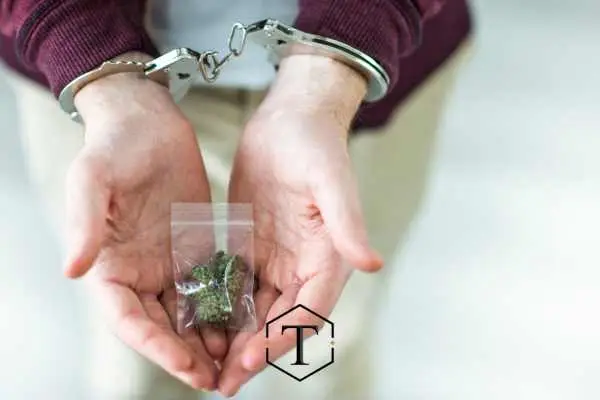
In Columbia, South Carolina, one of the most common drug offenses is simple possession. Simple possession occurs when a person knowingly or intentionally possesses a controlled substance without a valid prescription. For constructive possession, the State must prove that the person had the right and power to control the drugs and that the person knew about the drugs and intended to control them (State v. Stewart, Opinion No. 28029 (S.C. 2021)).
Dedication to Your Rights and Interests
When it comes to a drug possession case in Columbia, it is important to find a lawyer who is dedicated to protecting your rights. A drug possession lawyer can explain your options and the defense strategies that may apply. Your attorney should be familiar with the laws related to your type of drug case and with recent court rulings in similar cases.
At Touma Law Group, we believe that everyone deserves the right to a fair trial and the help of an attorney. We strive to keep our clients informed every step of the way.
Schedule a Free Consultation With TLG for a Simple Possession Charge
If you are in the Columbia area and have been charged with simple possession, you should consider scheduling a free consultation with Touma Law Group. We are a criminal defense law firm that represents people charged with simple possession.
At your free consultation, you can discuss the details of your case with our Columbia criminal defense attorneys. We will explain your rights and options under South Carolina law and help you decide how to proceed. No lawyer can promise a particular outcome.