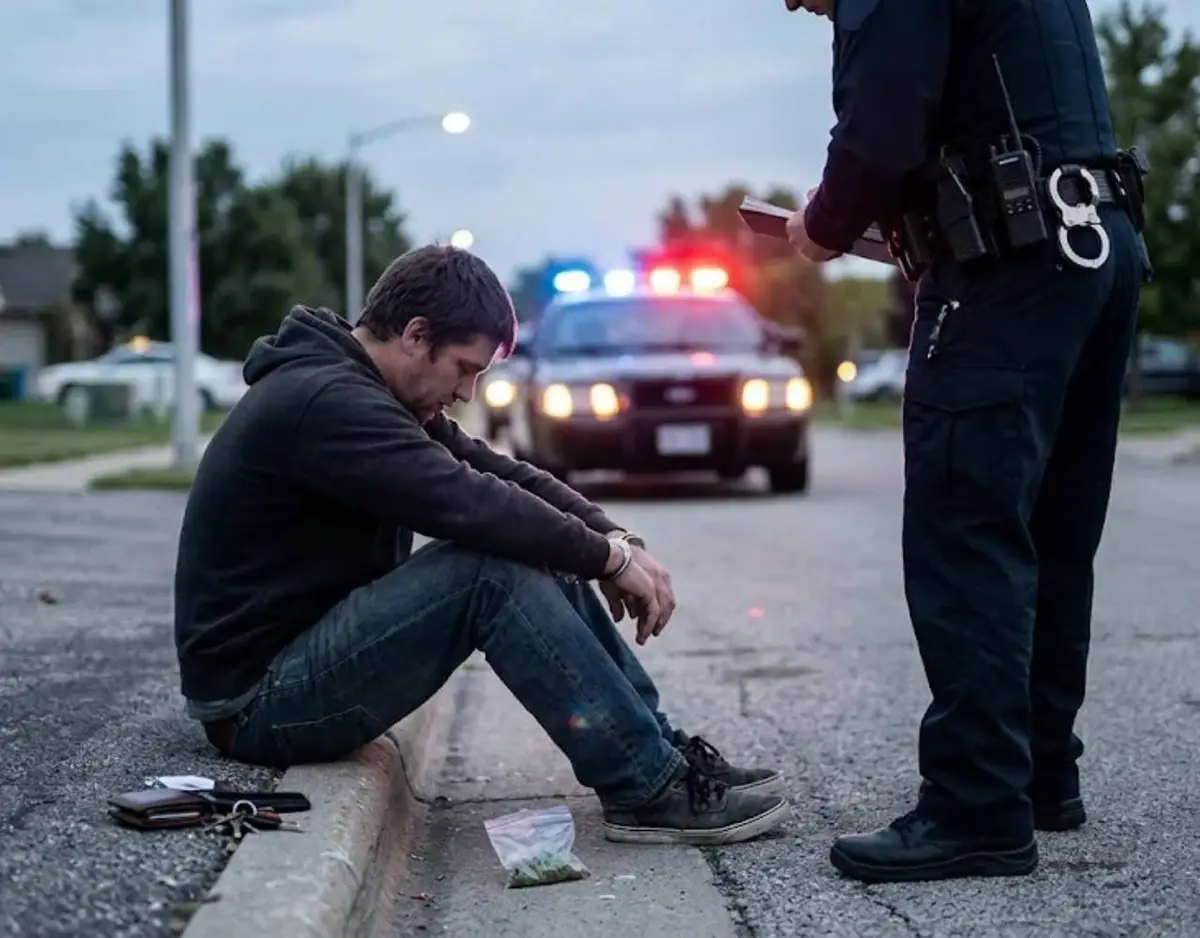
A traffic stop turns into a search. An officer finds a gram or two in the center console, and now you are holding a ticket or sitting in the back of a patrol car, wondering how serious this really is.
South Carolina has not decriminalized marijuana. Not for medical use, not for recreational use, not in any amount. A small bag is still a criminal charge here, even though a short drive north or west puts you in a state that treats it very differently.
Speak to one of our Greenville criminal defense lawyers at no cost to you for a free case review. Here is what this charge actually looks like, and what you can do about it.

One Ounce or Less: What the Charge Really Is
Possession of one ounce or less of marijuana is a misdemeanor offense in South Carolina. A first offense carries up to 30 days in jail and a fine of $100 to $200, under S.C. Code Ann. 44-53-370(d)(5). A second or later offense raises the exposure to up to one year in jail and a fine of $200 to $1,000.
Most first-time cases do not end in jail time. That is the part people hear and relax about, and it is the wrong part to focus on.
The real cost of a conviction is the record. A drug conviction follows you through job applications, apartment screenings, professional licensing boards, security clearance reviews, and financial aid questions. Judges can also order you into a drug abuse program as part of a sentence. A $150 fine closes the court file. It does not close the background check.
FAQs:
What happens if I was charged with
possession with intent to distribute
?
Crossing Over an Ounce Changes Everything
South Carolina draws a hard line at one ounce. Go over it and state law treats the quantity as prima facie evidence of possession with intent to distribute, which is a felony.
Prima facie does not mean automatic. It means prosecutors can point to the weight alone and argue intent, and the defense answers it with facts: personal use patterns, how the weight was measured, whether packaging or scales were actually present, and whether the quantity included anything that should not have been weighed.
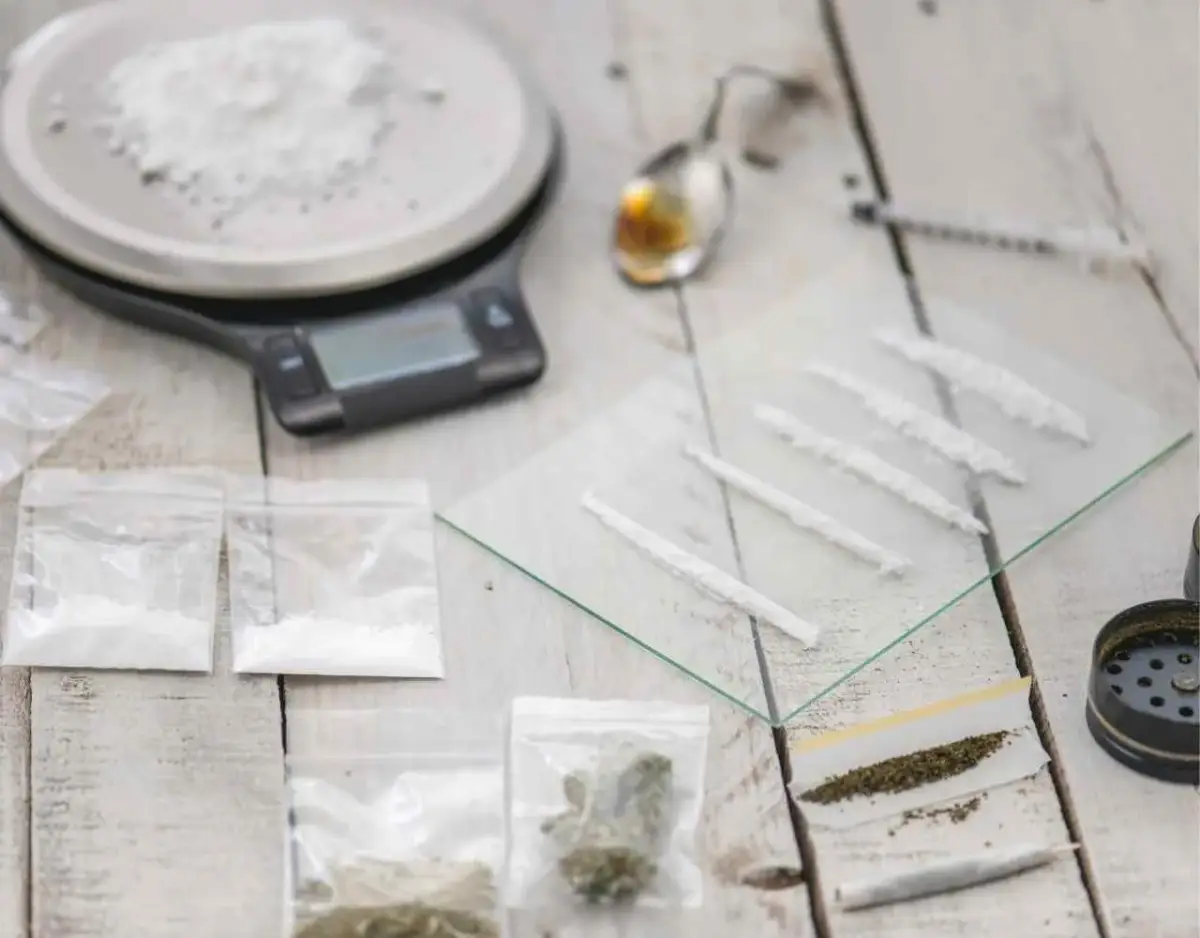
Hashish and concentrates run on a tighter scale. Ten grams or less is treated like an ounce or less of plant material. Above ten grams, the same intent-to-distribute presumption applies. People who assume a cartridge is “just a vape” are often surprised by how fast the numbers add up.
What if the drugs aren’t yours?
Learn more about constructive possession from our
s today.
Pipes, Grinders, and the Second Charge Nobody Expects
Marijuana charges rarely arrive alone. Paraphernalia is a separate violation in South Carolina, and it covers pipes, bongs, grinders, rolling papers, and storage containers. That one carries a civil fine rather than jail, and the statute says it does not create a criminal conviction.
Officers also look past the drugs. A firearm in the car, an open container, or a passenger with their own charge can turn a minor stop into something layered. Each charge gets defended on its own terms.
Options That Can Keep a Conviction Off Your Record
South Carolina gives first-time defendants real paths out. None of them is automatic, and prosecutors have to sign off, but they exist and people miss them by pleading guilty at the first court date.
- Conditional discharge. Under S.C. Code Ann. 44-53-450, someone with no prior drug conviction who pleads to or is found guilty of simple possession can have the case deferred and be placed on probation instead. Finish the terms and the court dismisses the case with no finding of guilt. You get one shot at this in your lifetime, and a fee applies.
- Pretrial intervention. PTI is run by the solicitor’s office. Complete the program and the solicitor enters a noncriminal disposition, which means the charge resolves without a conviction on your record.
- Expungement. After a conditional discharge or PTI, you can apply to clear the arrest records. Even a conviction for a first offense of one ounce or less can become eligible for expungement after a three-year clean period, though the court decides.
Eligibility turns on your prior record, the solicitor’s policy in that circuit, and how the case is charged. Those things vary across South Carolina, which is why two people with identical bags can end up with very different outcomes.
FAQ:
Where Your Case Gets Heard Depends on Where You Were Stopped
Simple possession usually starts in magistrate or municipal court. Greenville County, Richland and Lexington Counties around Columbia, and Anderson County each run their own dockets, their own diversion intake, and their own unwritten habits about what a solicitor will agree to.
A lawyer who appears in that courthouse regularly knows which judge takes conditional discharge seriously and how long the local PTI waitlist runs. That local knowledge does more for a small possession case than any argument made in the abstract.
Related Content
:
What We Look At in a Small Possession Case
Our first question is never about the marijuana. It is about the stop.
We review why the officer pulled you over, what gave them grounds to search, whether consent was actually given or assumed, how the substance was identified and weighed, and whether the chain of custody holds. Evidence collected outside the rules can be challenged. When the stop is clean, we shift to the resolution: which diversion program fits, what the solicitor needs to see, and how to keep this off your record permanently.
A charge is not a conviction. How you handle the first 30 days matters more than most people realize. Diversion options narrow once you plead. If you were caught with a small amount of marijuana anywhere in South Carolina, call Touma Law Group at (864) 618-2323 for a free consultation.
FAQs
No. South Carolina has no operating medical marijuana program, and a card from another state does not protect you here.
No. State law stops at the state line. Marijuana purchased legally in North Carolina or Virginia becomes illegal the moment you cross into South Carolina.
Jail is possible but uncommon on a first simple possession charge. The bigger risk is the conviction itself and what it does to your record.
Often yes, through conditional discharge, pretrial intervention, or expungement. Eligibility depends on your history and the solicitor’s approval.
A guilty plea closes the case the same day and creates a permanent record. An attorney can tell you whether a better route is available before you give that up.