It is common for people to worry about getting someone out of jail without using a bail bondsman or bail bond company. In South Carolina, release without paying a bondsman is possible in some cases. One route is a personal recognizance bond, often called a PR bond, where the court releases a person on a promise to appear, without a surety and without money posted up front (S.C. Code Ann. § 17-15-10(A)). Whether a judge allows it depends on the charge and the person’s circumstances.
A bail agent, sometimes known as a bail bond agent or bondsman, can help to facilitate the bail process by posting a bond for a fee. For more information about how to get someone out of jail without bond, call Touma Law Group and ask to speak with a Greenville criminal defense attorney about a free consultation. This is general information, and a licensed South Carolina attorney at the firm must review the facts of a case before anyone relies on it.
What is a Bail Bond?
A bail bond is a type of surety bond posted on behalf of an arrested person to secure their release from custody. When someone is arrested, the court may require a bond with good and sufficient surety. The person can pay in cash where the court allows it, or contact a licensed bail bondsman to post the bond. The bondsman charges a premium, which South Carolina law caps at 15 percent of the face amount of the bond, with a minimum fee of one hundred dollars or ten percent of the bond, whichever is greater (S.C. Code Ann. § 38-53-170(e)). On a large bond, that premium can add up to thousands of dollars.

Under the South Carolina Constitution, all persons are bailable before conviction, but bail may be denied to persons charged with capital offenses, offenses punishable by life imprisonment, or violent offenses defined by the General Assembly, after giving due weight to the evidence and the nature and circumstances of the event (S.C. Const. art. I, § 15). The violent offenses are those listed in S.C. Code Ann. § 16-1-60. For other charges, the court’s decision is about the conditions of release.
Recognizance Release
In some cases, a judge may release an arrested person on their own recognizance, meaning that they are released from custody without having to post bail money. South Carolina law starts from release on recognizance for a noncapital offense, unless the court decides that release will not reasonably assure the person’s appearance as required, or that unreasonable danger to the community or an individual will result (S.C. Code Ann. § 17-15-10(A)).
If the court decides recognizance alone is not enough, it may impose one or more conditions, including a surety bond, placing the person in the custody of a designated person or organization, restrictions on travel, association, or place of abode, and any other conditions reasonably necessary to assure appearance. Any bond is conditioned on the person appearing in court, not leaving the State, and being of good behavior toward all the citizens of the State (S.C. Code Ann. § 17-15-20(A)).
Did You Know? The statute that governs release says a person charged with a noncapital offense “shall” be ordered released on his own recognizance unless the court makes the findings described above (S.C. Code Ann. § 17-15-10(A)).

In deciding the conditions of release, the court may consider the nature and circumstances of the offense and the person’s family ties, employment, financial resources, character and mental condition, length of residence in the community, record of convictions, and record of flight or failure to appear (S.C. Code Ann. § 17-15-30). If a person cannot pay the bond amount, a criminal defense lawyer or a licensed bail bond agent can explain the options. A bondsman may enter into a payment agreement that requires a minimum down payment of one hundred dollars and cannot run longer than eighteen months (S.C. Code Ann. § 38-53-170(e)).
How Soon Can You Post Bail After Arrest?
A person charged with a bailable offense must have a bond hearing within 24 hours of arrest, and must be released within a reasonable time, not to exceed four hours, after the bond is delivered to the incarcerating facility (S.C. Code Ann. § 22-5-510(B)). Posting the bond is one step. The jail also has to receive the court’s authorization before release begins, so timing can vary by facility.
Bail Bond Fees and Terms
When a person uses a bondsman, the person pays a premium. By law, the premium may not exceed 15 percent of the face amount of the bond. Additional terms or conditions may be associated with the release. A bondsman may accept collateral security or other indemnity, which must be reasonable in relation to the amount of the bond and must be returned within ten days after final termination of liability on the bond, unless a bench warrant has been issued (S.C. Code Ann. § 38-53-170(e)).
Types of Bail Bonds
Several different arrangements can secure release from custody. One is a cash bond, where the amount set by the court is paid in cash. In some cases, the court may allow the defendant to deposit up to 10 percent of the bond amount in cash with the clerk of court instead. That option does not apply to a defendant charged with a violent offense or with certain firearm felonies while out on bond (S.C. Code Ann. § 17-15-15).
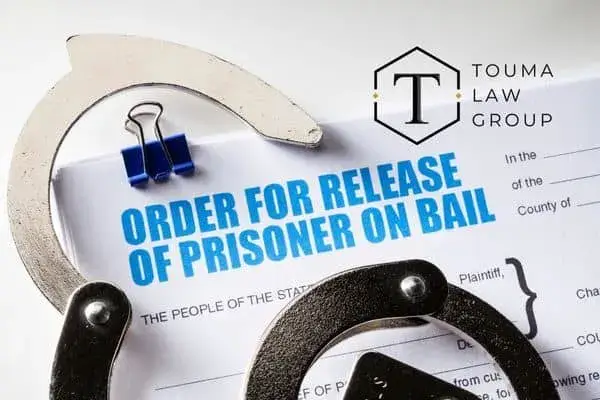
A personal recognizance bond allows a person to be released on their promise to appear, with no surety. A property bond uses real estate as collateral, and a county clerk of court sets the steps for pledging property in that county. A surety bond is posted by a licensed bondsman, who charges a premium that is not returned.
How is Bail Determined?
At the bond hearing, the judge sets the conditions of release after considering the factors in S.C. Code Ann. § 17-15-30, including the seriousness of the charge and the person’s criminal record. During a bond hearing the judge may also order additional terms of release, as the statute allows. The court can also order electronic monitoring, either in addition to a bond or, in some cases, in place of setting or requiring the posting of a bond (S.C. Code Ann. § 17-15-35).
How much does it cost to bail someone out of jail?
The cost depends on the type of bond and the amount set by the judge. A cash bond requires the entire amount of the bond to be paid, and the clerk returns it to the defendant at the end of the case if the conditions of the bond were met. With a surety bond, the bondsman’s premium is not returned and cannot exceed 15 percent of the face amount of the bond. A property bond involves pledging real estate rather than paying money up front.
Can You Bail Someone Out of Jail Without a Bond?
Yes, in some cases. A personal recognizance bond, or PR bond, releases the defendant from custody without a surety or money posted up front. The defendant must agree to the conditions of the bond, such as appearing in court when required and being of good behavior (S.C. Code Ann. § 17-15-20(A)).
If a judge has already set a bond that the family cannot meet, there are other routes to ask about. The court with jurisdiction over the offense may amend the conditions of release after notice and a hearing (S.C. Code Ann. § 17-15-50), and an attorney can ask the court to do so. A judge may also choose electronic monitoring or another condition in place of a bond. Whether any of these options fits a particular case depends on the charge, the person’s record, and the judge.
FAQ: How much does a Greenville criminal defense lawyer cost?
Do You Need an Attorney to Get Out of Jail?
Anyone arrested should speak to a criminal defense attorney as soon as possible. An attorney can explain the bail process, the types of bonds available, and any additional terms or conditions that may be required, and can speak to the factors the court considers at the bond hearing.
Conclusion
Posting bail can be a difficult and expensive process, especially for those facing serious criminal charges. Getting someone out of jail without paying a bondsman is possible in some cases, depending on the charge and the judge. At Touma Law Group, our criminal defense attorneys can explain your options, including recognizance releases, a request to change the conditions of release, and the different types of bail bonds. Call us today at (864) 618-2323 for a free consultation. A licensed South Carolina attorney at the firm must review the facts of your case before you rely on the general information on this page.