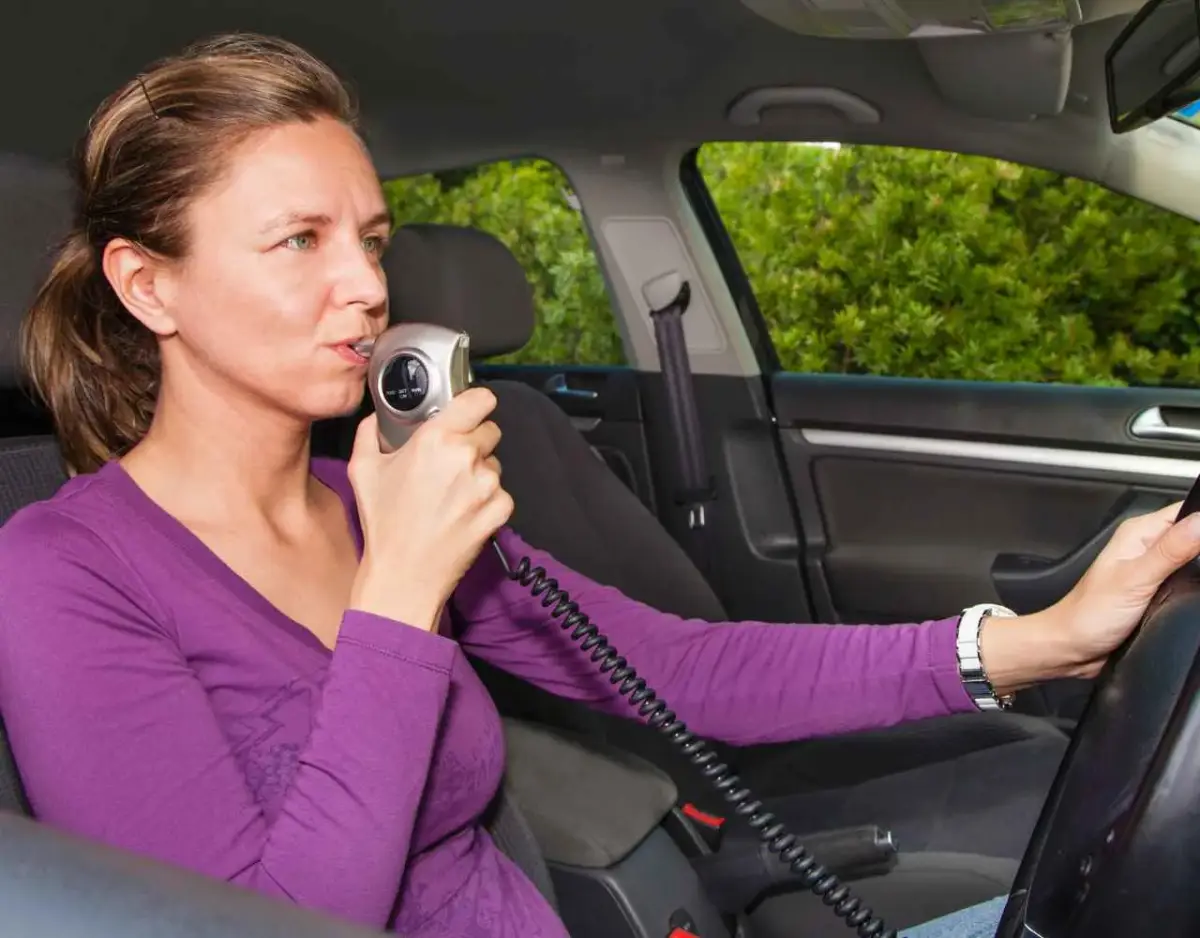
An ignition interlock device, also called an IID, is a breath-testing device wired into a vehicle. The driver must provide a breath sample before the vehicle will start. South Carolina requires a device to be installed after a DUI conviction, and in some cases after an administrative license suspension. The person required to use the device pays its cost (S.C. Code Ann. § 56-5-2941(F)).
If you are facing a DUI charge and may be required to install a device, talking with an attorney early can help you understand the requirement and its costs. A licensed South Carolina attorney at the firm must review the facts of your case before you rely on any general information on this page.
If you need legal representation for your charges, contact Touma Law Group’s DUI attorneys in Greenville today for a free consultation. Call us at (864) 618-2323 to get started.
Cost of an Ignition Interlock Device
If you must install an IID on your vehicle, you can expect several kinds of costs. Some are set by state law. Others depend on the device manufacturer and service center you use. No official South Carolina source lists a standard price for installation, rental, or removal, so this page does not give dollar estimates for those items. The Department of Probation, Parole and Pardon Services (DPPPS) says that fees for installation and rental of the device vary by manufacturer.
Installation and Rental Fees
The manufacturer you choose sets up an appointment with a service center to install the device. Only devices and installers certified by DPPPS may be used (S.C. Code Ann. § 56-5-2941(Q)). Ask the manufacturer for a written list of every fee before you sign, including installation, monthly rental or lease charges, calibration at inspections, and removal.

Ask each provider whether your vehicle type changes the price, and confirm current fees directly with the provider.
Monthly State Fee and Inspections
South Carolina law requires the service provider to collect and send a monthly fee to the Ignition Interlock Device Fund for each month you are required to drive a vehicle with a device. The fee is set by DPPPS and may not exceed thirty dollars per month (S.C. Code Ann. § 56-5-2941(G)). DPPPS lists the amount as $30 per month.
You must also have the device inspected every sixty days. A missed inspection results in one ignition interlock point (S.C. Code Ann. § 56-5-2941(H)). Any calibration charge tied to those inspections depends on the provider.
Ignition Interlock Restricted License Fee
SCDMV issues an ignition interlock restricted license only after the provider confirms the device is installed and working. The fee for that license is one hundred dollars (S.C. Code Ann. § 56-1-400). Program time begins when SCDMV issues the restricted license, according to DPPPS.
Financial Assistance
Because installing and maintaining a device can be a financial burden, South Carolina allows a person who is indigent to ask for help. If you cannot afford the device, you may submit an affidavit of indigency to DPPPS. If DPPPS finds you indigent, it may authorize a device to be installed and the cost of the initial installation and standard use to be paid from the Ignition Interlock Device Fund (S.C. Code Ann. § 56-5-2941(F)).
DPPPS accepts requests on its IID Financial Assessment form, Form 1307. The statute says the department considers all factors about your finances, including income, debts, assets, dependents, and living expenses, and that a determination is subject to periodic review. The statute also excludes a person participating as a habitual offender under S.C. Code Ann. § 56-1-1090(A). Check the DPPPS website for the current form, deadlines, and how long an approval lasts.
Additional Costs
Other costs can come with an IID requirement. Every certified device used in South Carolina must capture a photograph of the driver while the device is used (S.C. Code Ann. § 56-5-2941(Q)(2)), so the camera is part of the device and not an optional extra. If the device is damaged, repair costs fall on the person in the program. Violations can also add time and cost. Obscuring the camera lens counts as tampering, which is a misdemeanor punishable by a fine of up to five hundred dollars or up to thirty days in jail, or both (S.C. Code Ann. § 56-5-2941(M)).
A DUI conviction also requires you to enroll in and complete an Alcohol and Drug Safety Action Program (ADSAP). By statute, the cost of ADSAP services may not exceed five hundred dollars for education services, two thousand dollars for treatment services, and two thousand five hundred dollars in total, and no one may be denied services because of an inability to pay (S.C. Code Ann. § 56-5-2990(C)).
Removal Charges
At the end of the required period, DPPPS says you must have a final inspection by an authorized provider. After DPPPS sends a completion letter with removal instructions, the service center removes the device and gives you a removal receipt. You are responsible for the removal charges, according to the DPPPS program procedures.
Do not remove the device on your own before the program is complete. It is unlawful for a person subject to the program to drive a vehicle without a properly operating, certified device. A first offense is a misdemeanor with a fine of not less than one thousand dollars or up to one year in jail, and it extends the required time by six months (S.C. Code Ann. § 56-5-2941(K)).
Requirements For Installing an Ignition Interlock Device
According to SCDMV and DPPPS, an ignition interlock device must be installed to clear a DUI or DUAC suspension for violations on or after May 19, 2024, whatever the person’s blood alcohol concentration. Under South Carolina law, a person convicted of DUI or DUAC has the license suspended, then must enroll in the program, end the suspension, and obtain an ignition interlock restricted license. For a first offense, the device must stay on the vehicle for six months (S.C. Code Ann. § 56-5-2990(A)). Earlier violations may be governed by older rules, so confirm with SCDMV which rules apply to you.

A different path applies to people whose license is suspended because they refused a breath test or tested at .15% or higher. Within thirty days of the notice of suspension, the person may request a contested case hearing and either enroll in the Ignition Interlock Device Program or obtain a temporary alcohol license (S.C. Code Ann. § 56-5-2951(B)). A person who enrolls in place of serving the rest of a suspension must keep the device for the length of time left on the suspension, and for at least three months (S.C. Code Ann. § 56-5-2951(I)(3)). Read more about a first-offense DUI and about the temporary license after a DUI.
What Happens If You Fail an Ignition Interlock Test?
Every device used in South Carolina must prevent the vehicle from starting when it measures an alcohol concentration of .02% or more, and it must record any running retest at .02% or more (S.C. Code Ann. § 56-5-2941(Q)(2)). Running retests are tests the device requires while the vehicle is in operation.
DPPPS manages a point system for violations. A retest with an alcohol concentration of .02% to under .04% is worth one-half point, .04% to under .15% is one point, and .15% or higher is two points. A failure to complete a running retest or to have the device inspected on time is one point, and tampering or having another person blow into the device is one and one-half points (S.C. Code Ann. § 56-5-2941(E) and (H)).
Two or more points extend the required time by two months. Three or more points extend it by four months and require a substance abuse assessment. Four or more points lead to a six-month suspension of the restricted license plus assessment and treatment as recommended. Learn how the point system works on our page about the ignition interlock device program.
How Do I Get an Ignition Interlock Device?
DPPPS keeps a list of certified manufacturers. You choose a manufacturer, and it sets up an appointment with a service center. At the service center, you must present a South Carolina state-issued photo identification, according to DPPPS. The service center can explain its fees and payment options.
Can a Lawyer Help With an Ignition Interlock Requirement?
If you are facing a drunk driving charge, a licensed attorney can explain how the criminal case and the administrative license process work together. At Touma Law Group, our Greenville criminal defense attorneys can explain South Carolina’s ignition interlock laws and the steps in the legal process. An ignition interlock requirement follows from a conviction or a suspension, so the outcome of your case and of any administrative hearing affects whether and how long the requirement applies. We cannot promise any particular outcome.
DUI cases include deadlines, including a thirty-day window after a notice of suspension in some cases. Call Touma Law Group for a free consultation today, and a licensed South Carolina attorney at the firm will review the facts of your case.