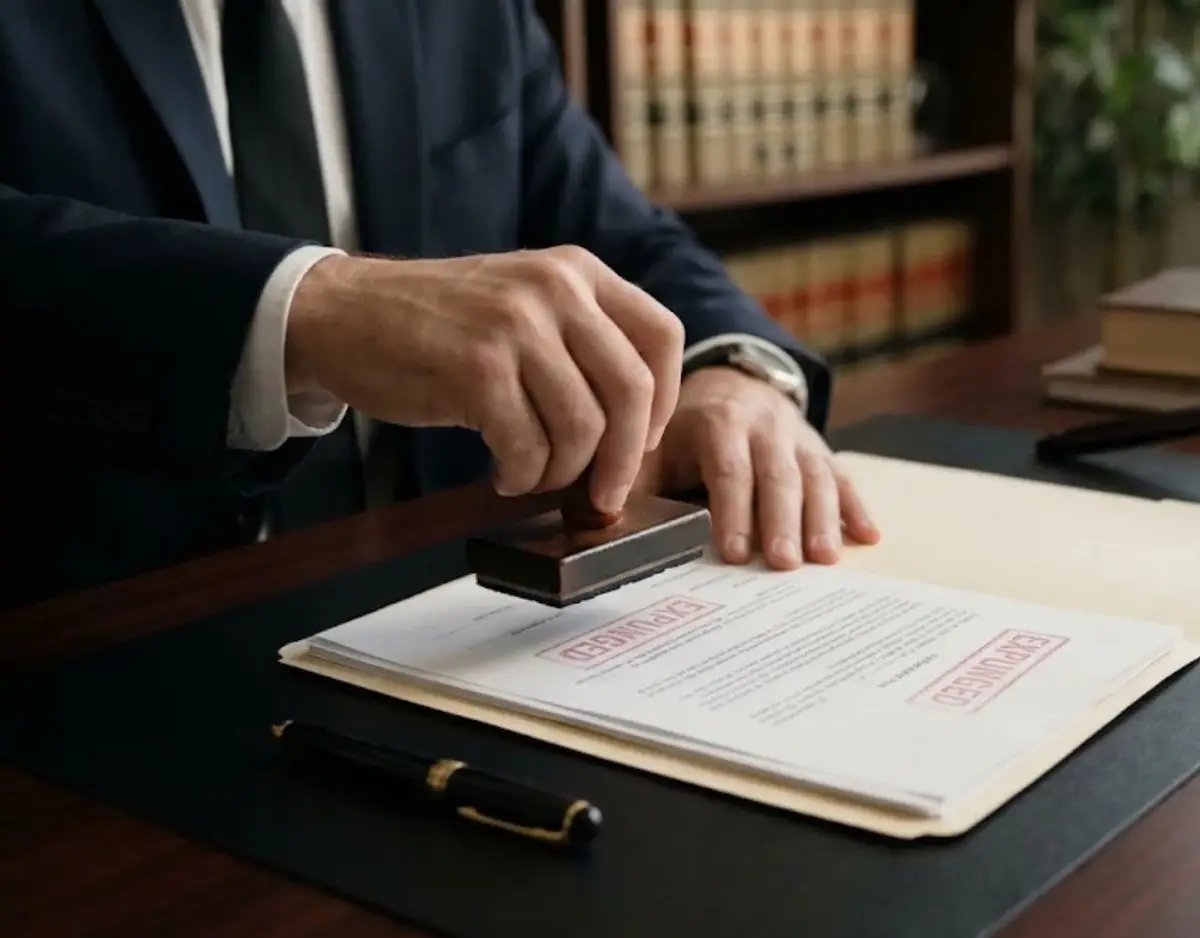
If you have been arrested, you need to make sure you understand the criminal charges brought against you. Do not physically resist or argue with police officers during the arrest process, because knowingly and willfully resisting an arrest being made by someone you know or reasonably should know is a law enforcement officer is itself a crime under S.C. Code Ann. § 16-9-320. Stay calm, do not lie, and then focus on what you should do after you have been arrested. Contact Touma Law Group today and speak to Adam Touma, a Greenville criminal defense attorney, for a consultation.
Consult with a Criminal Defense Lawyer
Whether you decide to have a public defender appointed or hire your own, consulting with a lawyer is a wise decision to make. The Sixth Amendment gives the accused the right to the assistance of counsel, and under S.C. Code Ann. § 17-3-10, if the court determines that a person entitled to counsel under the U.S. Constitution is financially unable to retain counsel, counsel must be provided upon order of the judge. Criminal defense lawyers can explain how the law applies to your charges. Your lawyer will want to know what the alleged crime is so they can advise you as your court date approaches. They can also help you plan how to approach your case.
If you hire an attorney right away, they can help you weigh your options for release. Under S.C. Code Ann. § 24-13-40, a person generally receives full credit against a sentence for time served before trial and sentencing, with exceptions, such as when the person commits a subsequent crime while out on bond or has a bond revoked before trial or plea. That is one of the things a lawyer can discuss with you when considering bond. Being released on bond also gives you time to work with your attorney, who can gather the facts of the case and prepare your defense. A lawyer can also evaluate whether there are legal grounds to challenge the charges or the evidence.

It is highly recommended to consult with an attorney regardless of whether you plan to hire one. A lawyer can explain the facts of the case and help you better understand what is ahead of you as time goes by. It will help you avoid going into the case without legal advice.
Understand Your Release and Bond Options
Release before trial is decided at a bond hearing, where a judge sets the amount and conditions of the bond. Under S.C. Code Ann. § 17-15-10, a person charged with a noncapital offense is to be released on his own recognizance unless the court determines that release will not reasonably assure the person’s appearance or that unreasonable danger to the community or an individual will result. Under Article I, Section 15 of the South Carolina Constitution, bail may be denied to persons charged with capital offenses, offenses punishable by life imprisonment, or violent offenses defined by the General Assembly. The bail bond process also depends on what type of bond the court allows. The South Carolina Judicial Branch’s guide to criminal court describes these common types:
- Personal recognizance bond: you give the court your word that you will appear and acknowledge a debt equal to the bond amount, with no surety required.
- Surety bond: a surety assures the court that you will appear and obey the bond conditions. Under Section 17-15-10(A)(1), the court may require an appearance bond with a surety approved by the court. The Judicial Branch guide says bail bondsmen are the most common sureties and that family members or other individuals can also act as sureties.
- Cash percentage in lieu of bond: if the court permits it, you may deposit with the clerk of court an amount not to exceed ten percent of the bond, under Section 17-15-15(A).
- Cash in lieu of bond: you deposit the full amount of the bond with the court, as allowed by Section 17-15-190.
- Cash only bond: in some circumstances, such as certain violent offense charges, the court must set the bond at the full cash amount to the exclusion of other forms of bond, under Section 17-15-15(D).
- Property bond: the Judicial Branch guide says a surety may pledge real estate to the court as collateral.
Which type applies to you is up to the judge. Posting bond does not mean you are free to go about your life as before. An appearance bond is conditioned on your personally appearing in court, not leaving the State, and being of good behavior under Section 17-15-20(A), and the court may also place restrictions on your travel, association, or place of abode under Section 17-15-10(A)(3). If you violate the conditions of release, the court must issue a bench warrant and the bond can be forfeited under S.C. Code Ann. § 38-53-70. A person who willfully fails to appear in court after release can also face a separate criminal charge under Section 17-15-90.
You do not want to add to the initial charges from your arrest. Following the conditions the court gives you is one of the most important things you can do while your case is pending.
Prepare Your Defense
No matter what the current charges are, the prosecution has the burden of proving the charge beyond a reasonable doubt. The Due Process Clause protects the accused against conviction except upon proof beyond a reasonable doubt, as the Supreme Court explained in In re Winship, 397 U.S. 358 (1970). In some cases, the prosecution may make a plea offer. Whether to accept one is a serious decision, and a lawyer can explain what an offer would mean for you.
Here is a list of things you can do to prepare your defense with your lawyer:
- Identify alibis: people or records that show where you were at the time of the alleged crime
- Identify witnesses who know you well and may be able to speak about your character, if your lawyer decides that is appropriate
- Criminal Attorneys: representing yourself in court is risky, because you are expected to follow the same rules and procedures as a lawyer

Your defense depends on the facts of your case and on the evidence the prosecution has. Your lawyer can explain the paths that may be available, such as negotiating with the prosecution, filing motions, or going to trial. No lawyer can promise an outcome.
Attend Court Hearings
It is very important to attend every court date. The South Carolina Judicial Branch’s guide to criminal court says that after an arrest, a General Sessions case usually follows these steps: a bond hearing, a preliminary hearing if one is requested, a grand jury, a first appearance, a second appearance at which you tell the judge whether you want to plead guilty or request a jury trial, and then a plea docket or trial docket. The timing and the names of the court dates vary between circuits.
If you do not attend, the judge may issue a bench warrant for your arrest, and if you are out on bond, the bond can be forfeited and you may face a separate charge for failing to appear, as described above. Missing court makes your situation harder and does not make the case go away.
If you are not sure when your court appearance is scheduled, ask your attorney or contact the Clerk of Court, and make sure the clerk has your correct address.
Before trial, your lawyer may file motions, and the court may hold hearings to decide them. The number of court dates varies from case to case.
Criminal Defense Attorney in Greenville, South Carolina
For legal advice in Greenville South Carolina please call Touma Law Group to schedule a consultation! Call us today at 864-618-2323.