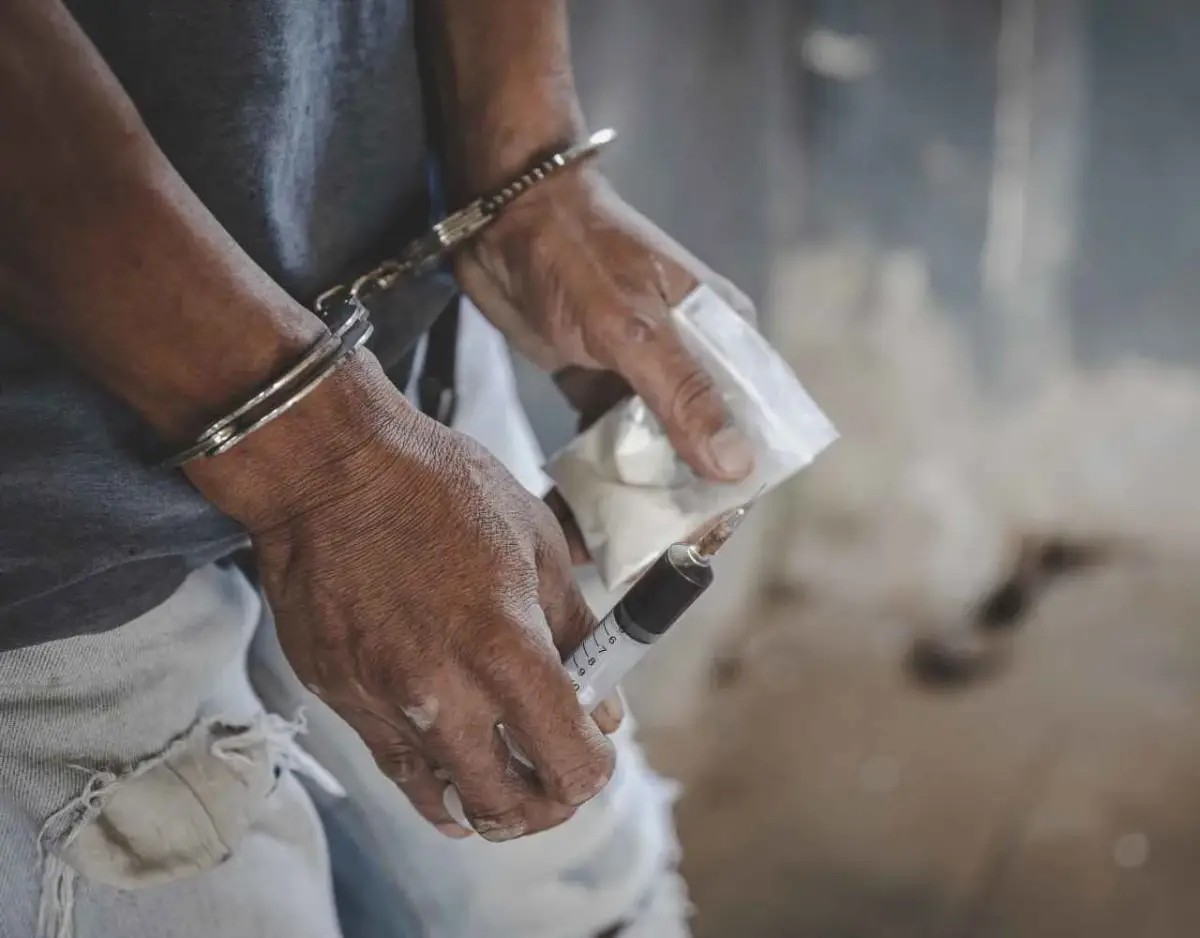
Being charged with drug trafficking in South Carolina, including in a city like Columbia, is a frightening and life-altering event. The legal system can be complex and overwhelming, and a wrong move in the early stages of your case can lead to serious consequences.
The natural reaction may be to panic, but it helps to stay calm and avoid common pitfalls that could affect your case. This article outlines five common mistakes after drug trafficking charges and explains why speaking with a criminal defense attorney early matters. It is general information, not legal advice. A licensed South Carolina attorney at Touma Law Group must review the facts of your case before you rely on any of it.
Mistake 1: Talking to Law Enforcement Without a Lawyer
After an arrest in South Carolina, law enforcement officers will likely try to question you. They may seem friendly and offer to “hear your side of the story,” but anything you say can be used against you. Under Miranda v. Arizona, a person in custody has the right to remain silent and the right to have an attorney present during questioning. Say clearly that you want to remain silent and that you want an attorney.
Many people believe they can talk their way out of the situation or that their innocence will be obvious. Even a harmless-sounding statement can be used by state or federal prosecutors to build a case. If you speak to police without a lawyer present, you risk giving them information that strengthens their case, whether the charge is simple possession or a more serious drug crime.

You can politely but firmly say that you will not answer any questions until you have an attorney. This is your constitutional right, and using it is not an admission of guilt.
Contact: Call Touma Law Group today at (803) 879-4499 for a free consultation.
Mistake 2: Not Talking to a Drug Trafficking Defense Lawyer Right Away
After an arrest, many people delay seeking legal help, either because of cost concerns or because they think they have time to figure things out. That delay can hurt a case. The time to ask for an initial consultation with a licensed attorney is soon after you are charged with a serious drug crime.
A Columbia criminal defense lawyer can explain how state and federal drug trafficking laws apply to your charge. An attorney can begin reviewing the evidence and protecting your rights early. Evidence can be lost or harder to find over time, and witnesses’ memories fade. A lawyer can also keep you updated and handle communication with the prosecutor on your behalf. A drug trafficking charge carries mandatory prison time under the statute, so the stakes are high. Under S.C. Code Ann. § 44-53-370(e), trafficking sentences cannot be suspended and probation cannot be granted, and a conviction leaves a permanent criminal record.
Don’t wait! Prepare your questions to ask a Columbia Criminal Defense lawyer before your consultation.
A drug trafficking defense lawyer in Columbia, South Carolina can review the case, look at issues such as the validity of a search warrant, and discuss options with the prosecutor. Waiting to take this step can limit the options available to you.

Mistake 3: Failing to Understand the Severity of the Charges
A drug trafficking charge is not the same as a simple possession charge. The penalties are far more serious, and a conviction carries a mandatory minimum prison term. Many people underestimate the charge, especially if they do not think of themselves as “traffickers” in the usual sense of the word. In South Carolina, a person can be charged with trafficking based on the weight of the drug alone. The statute applies to a person who is knowingly in actual or constructive possession of a threshold amount, and it does not require proof that the person meant to sell it (S.C. Code Ann. § 44-53-370(e)).
The thresholds depend on the specific substance. They include 10 pounds of marijuana, 10 grams of cocaine, 4 grams of heroin, morphine, or opium, and 4 grams of fentanyl or a fentanyl-related substance. Methamphetamine and cocaine base have a 10 gram threshold under S.C. Code Ann. § 44-53-375(C). The weight counts the whole mixture, not only the pure drug. The thresholds do not turn on a drug’s schedule, so possession of a Schedule I drug does not by itself make a charge trafficking.
Related: Talk with a Columbia drug lawyer about your case.
A case can also be prosecuted in federal court, which has its own mandatory minimum sentences under 21 U.S.C. § 841(b). Which court takes a case usually depends on which agency investigated it. Failing to understand the seriousness of the charge can lead to poor decisions, such as rejecting a plea offer without understanding it or not taking the defense seriously enough. A Columbia drug charges lawyer can explain the possible sentences, fines, and long-term effects of a conviction so that you can make informed decisions about your case.
Mistake 4: Not Challenging the Evidence and Police Procedure
Police and prosecutors can make mistakes. Evidence can be mishandled, legal procedures can be violated, and enforcement techniques can be unconstitutional. A common mistake in drug cases is to assume that all of the evidence is valid and that the police followed every rule.

A defense often begins with a close look at how the evidence was obtained. A Columbia drug attorney can review the details of your arrest, including whether a search warrant was properly executed, whether there was probable cause for a search, and whether you were given your Miranda warnings before questioning. Under the exclusionary rule of Mapp v. Ohio, evidence gathered through an unconstitutional search may be excluded from a state prosecution. Whether that applies to your case depends on the facts.
The same kind of review applies to other parts of an investigation, such as wiretaps, sting operations, or conspiracy charges. A Columbia drug defense attorney can identify which legal arguments may apply to the prosecution’s evidence.
Mistake 5: Not Considering All Possible Legal Options
When facing drug charges, it is easy to feel that the only choices are to plead guilty or go to trial. That oversimplifies the options. A defense attorney can review each path with you and explain which ones apply to your charge.
Did you know? Find out more about what constitutes drug trafficking in South Carolina.
Depending on the facts, those paths may include negotiating with the prosecution in state or federal court over the charge or the sentence. The trafficking statute treats possession with intent to distribute as a lesser included offense of possession-based trafficking, so the weight and the charge are often points of negotiation (S.C. Code Ann. § 44-53-370(e)). Different sentencing rules apply to a lesser charge than to a trafficking conviction, but no result can be promised. Pretrial intervention is generally not one of the options for a trafficking charge, because trafficking is listed among the violent crimes in S.C. Code Ann. § 16-1-60 and the pretrial intervention statute excludes a person charged with a crime of violence as defined there, unless the solicitor determines the elements of the crime do not fit the charge (S.C. Code Ann. § 17-22-50).
Your attorney can also prepare for trial if that is the right course. Preparation includes gathering evidence, interviewing witnesses, and building the defense to present to a jury. A criminal defense lawyer can explain the likely range of outcomes for your case, but no lawyer can promise one.
Find Out More: Contact our criminal defense attorneys today for a free consultation.
Final Thoughts
Facing a drug trafficking charge in Columbia, SC, is a serious challenge, but you do not have to face it alone. Avoiding these five mistakes is a first step in protecting your rights. The most important action you can take is to speak with a licensed attorney as soon as you can.
An attorney at Touma Law Group can review your case, explain your options, and answer your questions about the charge. Call Touma Law Group today at (803) 879-4499.