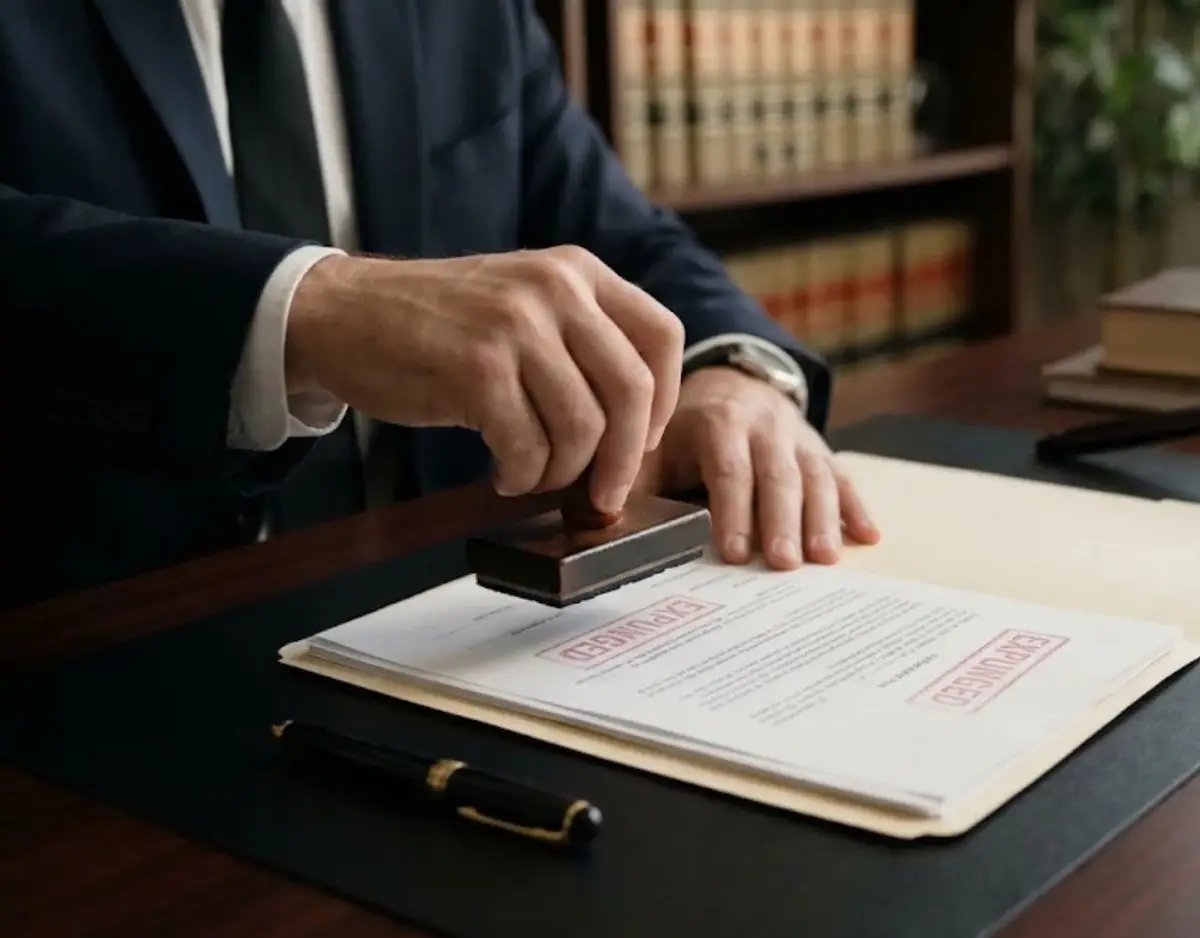
If you are facing criminal charges, knowing how to prepare for a criminal defense consultation can help you make good use of your meeting. Your first meeting with a criminal defense lawyer is an opportunity to understand your situation, explore your legal options, and begin planning how to respond to the charges.
Being prepared allows your attorney to evaluate your criminal case more efficiently and provide clear legal guidance. If you are in the Columbia area, taking the right steps before your consultation can help you protect your legal rights and make informed decisions from the very beginning.
What to Expect During a Criminal Defense Consultation
During your criminal defense consultation, your criminal defense attorney will focus on understanding the facts of your criminal case and identifying key legal issues. This includes reviewing your charges, discussing your interaction with law enforcement, and explaining the legal process moving forward.
You should be prepared to discuss:
- The events leading up to your arrest
- Any statements made to law enforcement
- Details about your arrest records or charging documents
This initial meeting is also where the attorney-client relationship begins. Under Rule 1.6 of the South Carolina Rules of Professional Conduct (Rule 407, SCACR), a lawyer may not reveal information relating to the representation of a client unless the client gives informed consent, the disclosure is impliedly authorized to carry out the representation, or an exception in the rule applies. The exceptions include disclosures reasonably believed necessary to prevent the client from committing a criminal act or to prevent reasonably certain death or substantial bodily harm. Whether a communication is protected by the attorney-client privilege in court is a separate question that South Carolina courts decide under common law principles, as provided in Rule 501 of the South Carolina Rules of Evidence. Ask your lawyer to explain how confidentiality works in your case so you know what to share and with whom.
The more accurate and detailed you are, the better your criminal defense lawyer can assess your situation and begin developing a legal strategy.
Learn More: Understanding Your Rights When Arrested
Why Preparation Matters for Your Case
Preparing for your consultation is not just helpful. It can help your attorney use your meeting time well. When you provide clear case details and organized information, your attorney can more quickly identify the issues to look into.
Preparation also helps your criminal defense attorney:
- Evaluate the facts and the evidence in your criminal case
- Identify possible legal options, including plea agreements or other resolutions
- Explain the steps ahead in the criminal justice system
Without preparation, important details may be overlooked, which can slow down the review of your case. Taking time to prepare helps your legal representation start in an organized way.

What to Do Before Your Consultation
Before meeting with a criminal defense lawyer, there are several steps you should take to make your consultation as productive as possible. The goal is to ensure you have a clear understanding of your situation and are ready to discuss it in detail.
Start by reviewing your criminal charges and any upcoming deadlines, such as your court date or initial appearance. Understanding the timeline of your case can help your attorney provide more accurate advice.
You should also:
- Write down a timeline of events while the details are fresh
- Make note of any legal issues or concerns you have
- Avoid discussing your case with others, including on social media, because those conversations may not be protected
- Consider whether your case involves specific circumstances, such as domestic violence, a restraining order, or juvenile matters
Taking these steps ahead of time will allow your criminal defense lawyer to focus on developing a strategy rather than gathering basic information.

Documents and Information to Bring
Bringing the right documents to your consultation is one of the most important parts of preparation. These materials help your criminal defense attorney understand your case more quickly.
If available, bring the following:
- Police reports and police records
- Court documents and charging documents
- Arrest records or arrest paperwork
- Bond paperwork or details about your bail or bond
- Witness statements and contact information
- Any paperwork you received about a search of your property, vehicle, or devices, and any evidence that was collected
- Relevant digital information (texts, emails, photos)
- Medical or other records that relate to the charges, if any
- Any information you believe may support your defense
Organizing these documents in advance allows your attorney to review critical details and begin reviewing your case right away. Even if you do not have every document, bringing what you can will still be helpful.
Learn More: What if the Police Mishandle My Investigation?
Questions to Ask a Criminal Defense Lawyer
Your consultation is not only about your case, but it’s also your opportunity to evaluate the criminal defense lawyer you may hire. Asking the right questions can help you better understand their experience, approach, and whether they are the right fit for your legal representation.
Consider asking:
- What experience do you have with cases like mine?
- What legal options may be available in my case?
- What defense strategy would you recommend?
- How are your fees structured?
- Will I need to sign a retainer agreement?
- How will you provide updates throughout my case?
You may also want to ask about potential conflicts of interest and how the firm will communicate with you. A criminal defense attorney should answer your questions clearly and help you feel informed about what comes next.

How a Criminal Defense Lawyer Can Help Your Case
Facing criminal charges can be overwhelming, especially if you are unfamiliar with the criminal justice system. A defense lawyer plays an important role in protecting your rights and guiding you through each step of the legal process.
Your criminal defense attorney can help by:
- Analyzing evidence and identifying weaknesses in the prosecution’s case
- Developing a defense strategy based on the facts of your case
- Discussing plea agreements or a plea bargain when appropriate
- Representing you in court proceedings, including hearings in the general sessions court
- Consulting with forensic or other professionals who may be able to review the evidence, when appropriate
Depending on your situation, your attorney may also discuss alternatives such as diversion programs. In South Carolina, circuit solicitors establish and supervise pretrial intervention programs under the Pretrial Intervention Act, S.C. Code Ann. § 17-22-30, and whether a program is available depends on the charge and the solicitor’s program. In more serious cases, such as federal crimes or matters involving a grand jury, having experienced legal counsel is especially important.
Throughout your case, your lawyer’s duty of confidentiality under Rule 1.6 continues, as described above.
Speak With a Columbia Criminal Defense Lawyer Today
Knowing how to prepare for a criminal defense consultation is an important first step. Whether you are facing state or federal charges, a criminal case can carry serious consequences, including jail time, fines, and lasting legal impact.
A criminal defense lawyer can explain the charges, your rights, and the options that may be available to you. Acting quickly gives your attorney more time to review your case and plan a defense strategy.
At Touma Law Group, we help clients in Columbia with criminal law matters. Call (803) 879-4499 today to schedule your consultation and get the guidance you need.
Frequently Asked Questions
What questions should I ask a criminal defense lawyer during a consultation in Columbia, SC?
During a criminal defense consultation in Columbia, SC, you should ask questions that help you understand your case and the lawyer’s experience. Important questions include their experience with similar criminal charges, the legal options that may be available, the recommended defense strategy, and how their fees are structured. You should also ask how often you will receive updates and what to expect throughout the legal process. Asking the right questions helps you decide whether a criminal defense lawyer is the right fit for your case.
What should you not say to a judge in a criminal case in Columbia, SC?
In Columbia, SC, it is important to avoid making statements to a judge that could harm your criminal case, such as admitting guilt, arguing emotionally, or speaking without your criminal defense attorney present. Anything you say in court can affect your case, so it is best to follow your attorney’s guidance and only speak when appropriate. Protecting your legal rights starts with understanding how to communicate properly in court.
Is what I tell a criminal defense lawyer in Columbia, SC confidential?
A lawyer in South Carolina is generally prohibited from revealing information relating to the representation of a client unless the client gives informed consent, the disclosure is impliedly authorized to carry out the representation, or an exception applies, under Rule 1.6 of the South Carolina Rules of Professional Conduct. Whether a specific communication is privileged in court is decided under the common law, as provided in Rule 501 of the South Carolina Rules of Evidence. Ask your lawyer to explain how these protections apply to your situation.