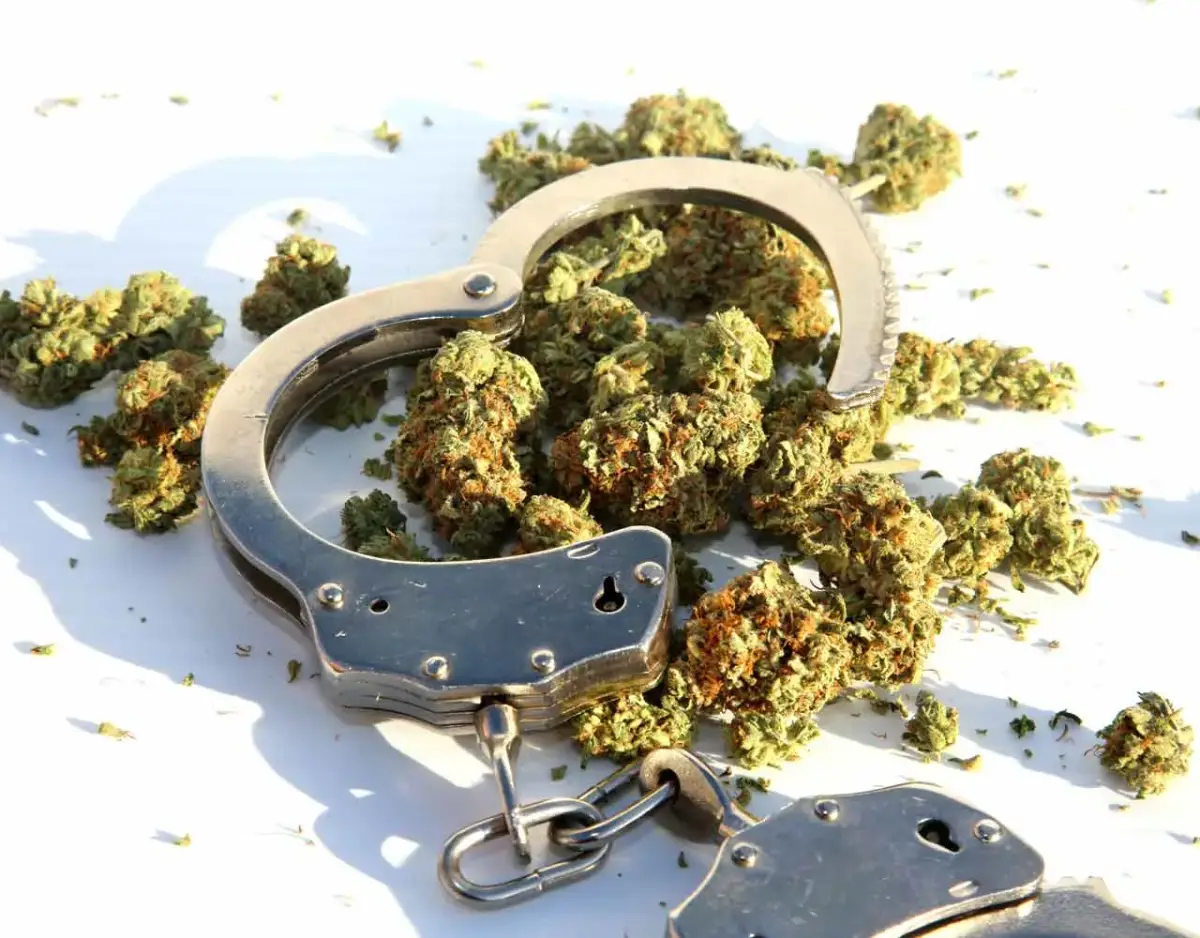
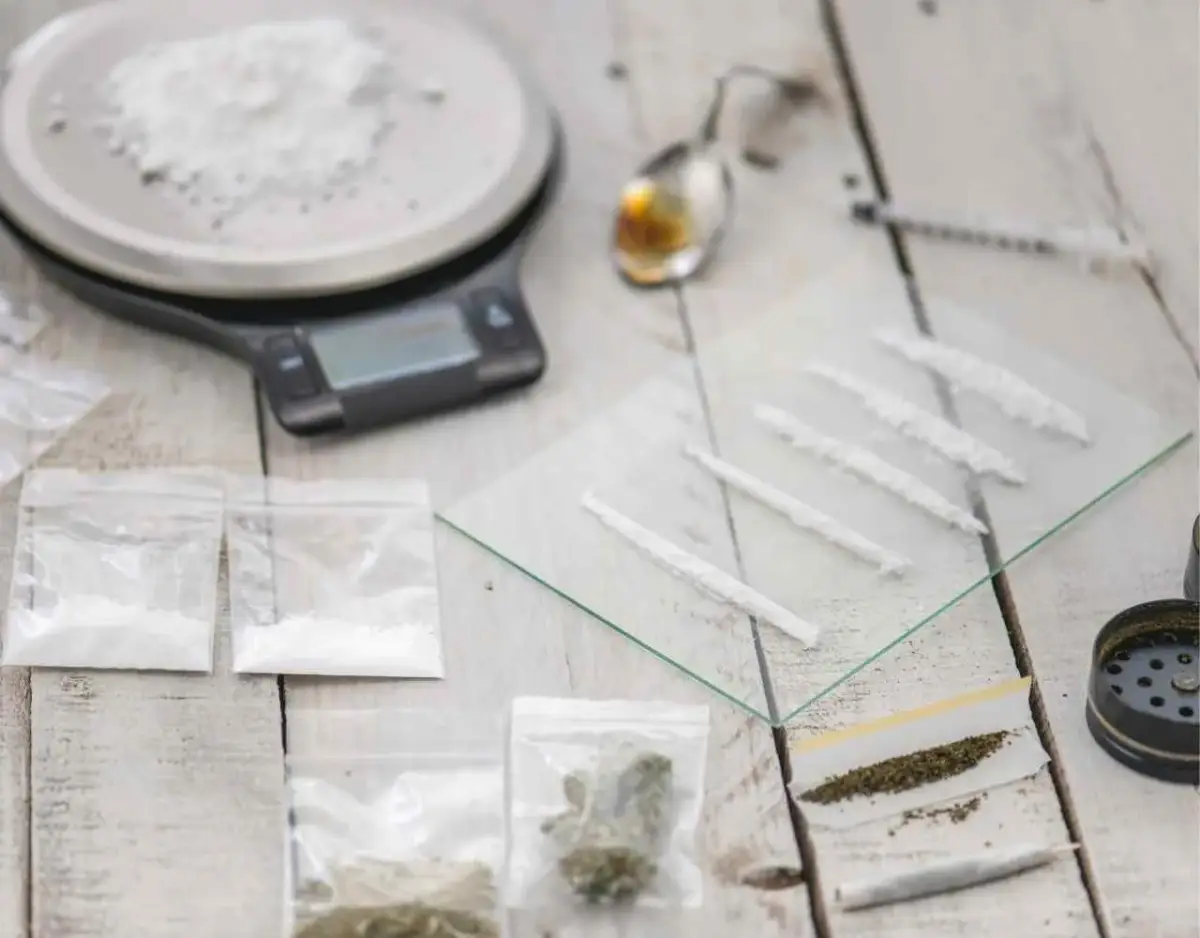
Under South Carolina law, drug paraphernalia is any instrument, device, article, or contrivance used, designed for use, or intended for use in ingesting, smoking, administering, manufacturing, or preparing a controlled substance (S.C. Code Ann. § 44-53-110(33)). The definition names examples such as marijuana and hashish pipes, water pipes, bongs, roach clips, and cocaine spoons and vials, and it says the list is not limited to those items. Having an item that fits the definition does not by itself show that a person uses drugs.
Whether an object counts as paraphernalia often depends on how it was used, designed, or intended to be used. The statute excludes cigarette papers and tobacco pipes. It also excludes rapid fentanyl test strips and equipment used solely to test whether a substance contains fentanyl or its analogues (S.C. Code Ann. § 44-53-393). An ordinary household item such as a spoon or a bowl is not paraphernalia just because it exists, but it can be treated as paraphernalia if the evidence shows it was used or intended for use with a controlled substance. When a court decides, the law tells it to consider factors that include statements by the owner about the object’s use, how close the object was to controlled substances, whether there was drug residue on it, and the legitimate uses the object has in the community (S.C. Code Ann. § 44-53-391(b)).
If you are facing a charge for drug possession, drug distribution, or drug paraphernalia, you can call Touma Law Group for a free consultation. Our Greenville drug crime lawyers can review the facts of your case with you. A licensed South Carolina attorney at the firm must review those facts before you rely on general information like this.
Penalties for Drug Paraphernalia
State law makes it unlawful to advertise for sale, manufacture, possess, sell, or deliver paraphernalia, or to possess it with intent to deliver or sell it (S.C. Code Ann. § 44-53-391(a)). The penalty under that section is a civil fine, discussed below. Paraphernalia can still matter in a larger case, because prosecutors may point to items such as scales and packaging as circumstantial evidence of an intent to distribute. That is an argument the State has to prove with the evidence in the case. It is not an automatic upgrade of the charge. The charge for possession with intent to distribute is described in possession with intent to distribute.

Possession of Drug Paraphernalia
The State has to show that the item meets the definition in S.C. Code Ann. § 44-53-110(33) and that you possessed it. Common ways the State may try to make that case include:
- Evidence of drug residue on the object, which is one of the factors the statute lists.
- An argument that you possessed the item because of how close you were to it when you were arrested.
- Statements about how the item was used, including statements attributed to you or to anyone in control of the object.
Penalties for Possession
A paraphernalia charge is separate from any drug possession charge. If you are charged with possessing both illegal drugs and paraphernalia, the drug charge carries the penalties in S.C. Code Ann. § 44-53-370, which can include jail time depending on the drug and your record.
Related: Drug trafficking charges in South Carolina and how a case can be challenged
A person found guilty of violating the paraphernalia section is subject to a civil fine of not more than $500. A corporation is subject to a civil fine of not more than $50,000. The statute says imposing the fine does not give rise to any disability or legal disadvantage based on conviction for a criminal offense (S.C. Code Ann. § 44-53-391(c)).
Even so, a paraphernalia charge can come up when records are reviewed, and it can be tied to other charges from the same incident. Ask a lawyer how a citation may be recorded and whether other charges are pending before you pay a fine or enter a plea.
If you are accused of possessing paraphernalia in South Carolina, speak with a drug crime attorney. Call Touma Law Group for a free consultation and a review of your case.
Types of Drug Paraphernalia
The statute names several kinds of items, including marijuana and hashish pipes, water pipes, bongs, carburetion tubes, smoking masks, roach clips, and cocaine spoons and vials. Other items can be treated as paraphernalia depending on how they were used or intended to be used.

Pipes, Water Pipes, and Other Items
Pipes, water pipes, and similar items designed for smoking marijuana, hashish, or cocaine are listed in the statute as paraphernalia (S.C. Code Ann. § 44-53-110(33)). Cigarette papers and tobacco pipes are expressly excluded from the definition.
Marijuana Drug Paraphernalia Charges
Marijuana paraphernalia charges arise when a person has items that were used, designed for use, or intended for use with marijuana, such as pipes, bongs, and roach clips. Residue of a controlled substance on an object is one of the factors a court must consider (S.C. Code Ann. § 44-53-391(b)(3)), but it does not by itself decide the question.
Items Linked to Distribution
Items such as scales or packaging may be offered as evidence that drugs were meant to be sold or moved, which can affect a distribution or trafficking charge. Whether an item is paraphernalia under the statute, and what it shows about intent, depends on the facts.
If you are facing drug trafficking accusations and disagree with the paraphernalia charge, speak with a criminal defense attorney promptly. The drug crime defense lawyers at Touma Law Group can review the evidence, explain your legal rights, and discuss how the charge may be challenged.
Defenses to Drug Paraphernalia Charges
The defenses available depend on the facts of the case. A common one is challenging whether the prosecution can prove beyond a reasonable doubt that you possessed the item and that it meets the statutory definition.
Reasonable Doubt
The prosecution must prove its case beyond a reasonable doubt to secure a conviction. In a paraphernalia case, that can include proving that the object was used, designed for use, or intended for use with a controlled substance and that the person actually possessed it.

Challenging Seizure and Search of Property
The Fourth Amendment protects against unreasonable searches and seizures. Searches generally require a warrant or an exception to the warrant requirement, and a warrant must be supported by probable cause. If the police searched without a warrant, without probable cause, or without a recognized exception, a lawyer can ask the court to exclude the evidence from that search. Whether that applies to your case depends on the facts of the stop and the search.
Talk to a Drug Defense Attorney at Touma Law Group
If you are facing a criminal charge related to drug paraphernalia, or a paraphernalia citation tied to other drug charges, speak with a drug defense attorney. At Touma Law Group, we can review the facts of your case and explain the laws that apply. Call us for a free consultation and case evaluation with one of our drug crime defense attorneys. A licensed South Carolina attorney at the firm must review the facts of your case before you rely on this general information.