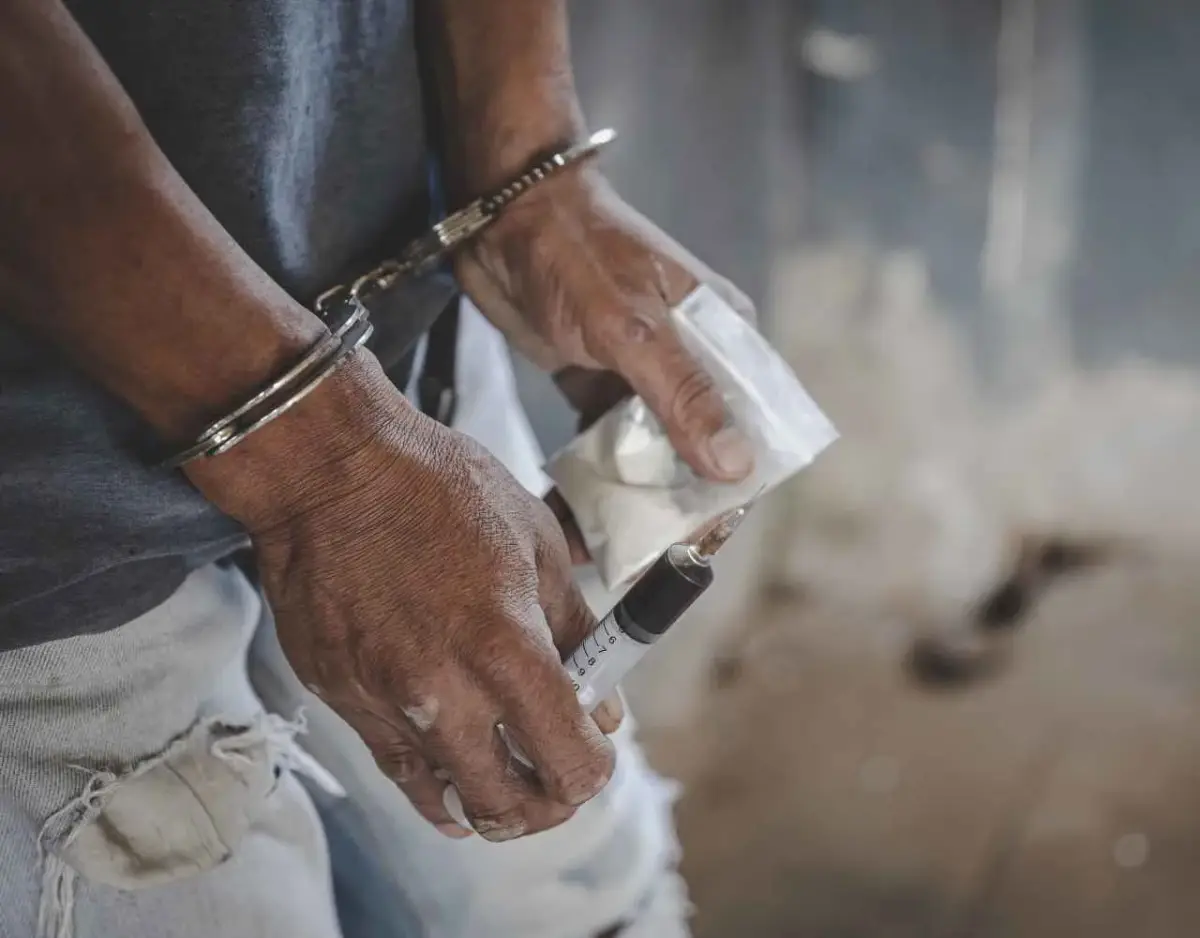
Being arrested for a drug charge can be scary, especially when the charge is more serious than simple possession. In Greenville and throughout South Carolina, one of the most common felony drug charges is possession with intent to distribute. Many people are surprised to learn that prosecutors do not need to prove an actual sale to bring these charges.
As Greenville criminal defense attorneys, we’ve helped clients facing all types of drug cases. We know how overwhelming it can be when law enforcement accuses someone of drug activity. Fortunately, an arrest does not mean a conviction, and there may be ways to challenge the evidence.
If you or a loved one has been charged with possession with intent to distribute in Greenville or anywhere in South Carolina, contact Touma Law Group. We are here to help. We’ll explain your options, protect your rights, and fight for the best possible outcome.
What Does Possession With Intent Mean?

Under South Carolina law, possession with intent to distribute means prosecutors believe a person possessed drugs with the intention of selling, delivering, or distributing them.
Unlike simple possession, these charges carry much harsher penalties.
Common substances involved include:
- Marijuana
- Cocaine
- Methamphetamine
- Heroin
- Fentanyl-related substances
- THC products
- Synthetic chemicals
- Schedule I controlled substances
Charges involving Possession with Intent to Distribute Marijuana are common in South Carolina and may result in significant penalties.
Possession With Intent vs. Simple Possession
Simple possession usually means the drugs were intended for personal use.
Possession with intent to distribute means prosecutors claim the drugs were intended for:
- Sale
- Delivery
- Distribution
- Drug manufacturing
- Illegal Sale of a Controlled Substance
The difference between simple possession and possession with intent can mean the difference between misdemeanor penalties and a felony criminal offense.
How Do Police Build Possession With Intent Cases?
Many people assume law enforcement must catch someone selling drugs. That’s not true.
Instead, investigators often rely on circumstantial evidence.
They may look at:
Drug Weight
The amount of drugs found can influence whether prosecutors believe the drugs were intended for personal use or distribution.
Drug Paraphernalia
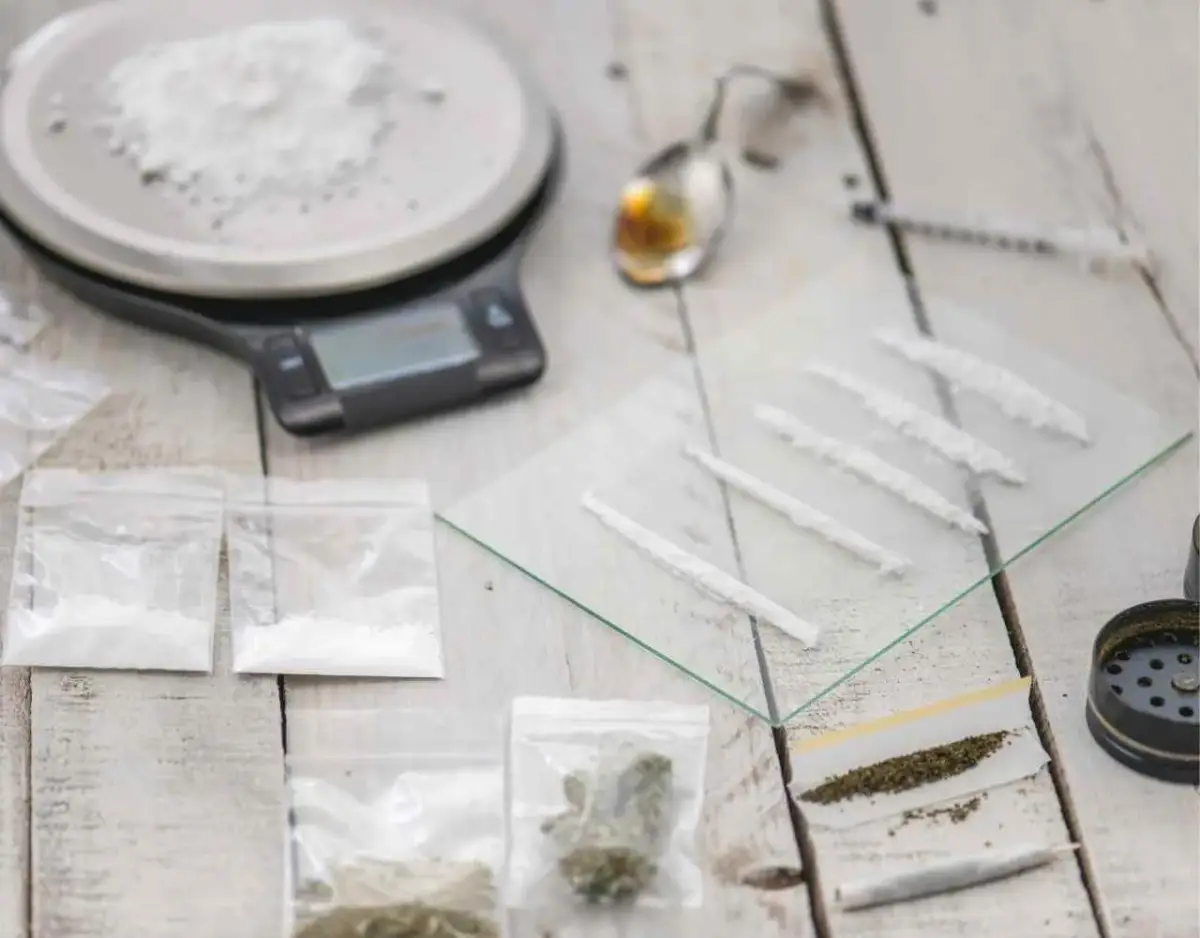
Items commonly used as evidence include:
- Digital scales
- Small plastic bags
- Packaging materials
- Large amounts of cash
Electronic Evidence
Text messages and social media accounts are often examined during a drug trafficking investigation.
Firearms
The presence of a firearm and ammunition may lead to additional charges. Firearm possession during a drug crime can make a case much more serious.
Drug Analysis
Substances are typically tested through drug analysis. Agencies such as the South Carolina Law Enforcement Division may assist local investigators with laboratory testing.
In larger investigations involving trafficking in fentanyl or Fentanyl Trafficking, Homeland Security Investigations may also become involved.
How Drug Cases Begin in Greenville
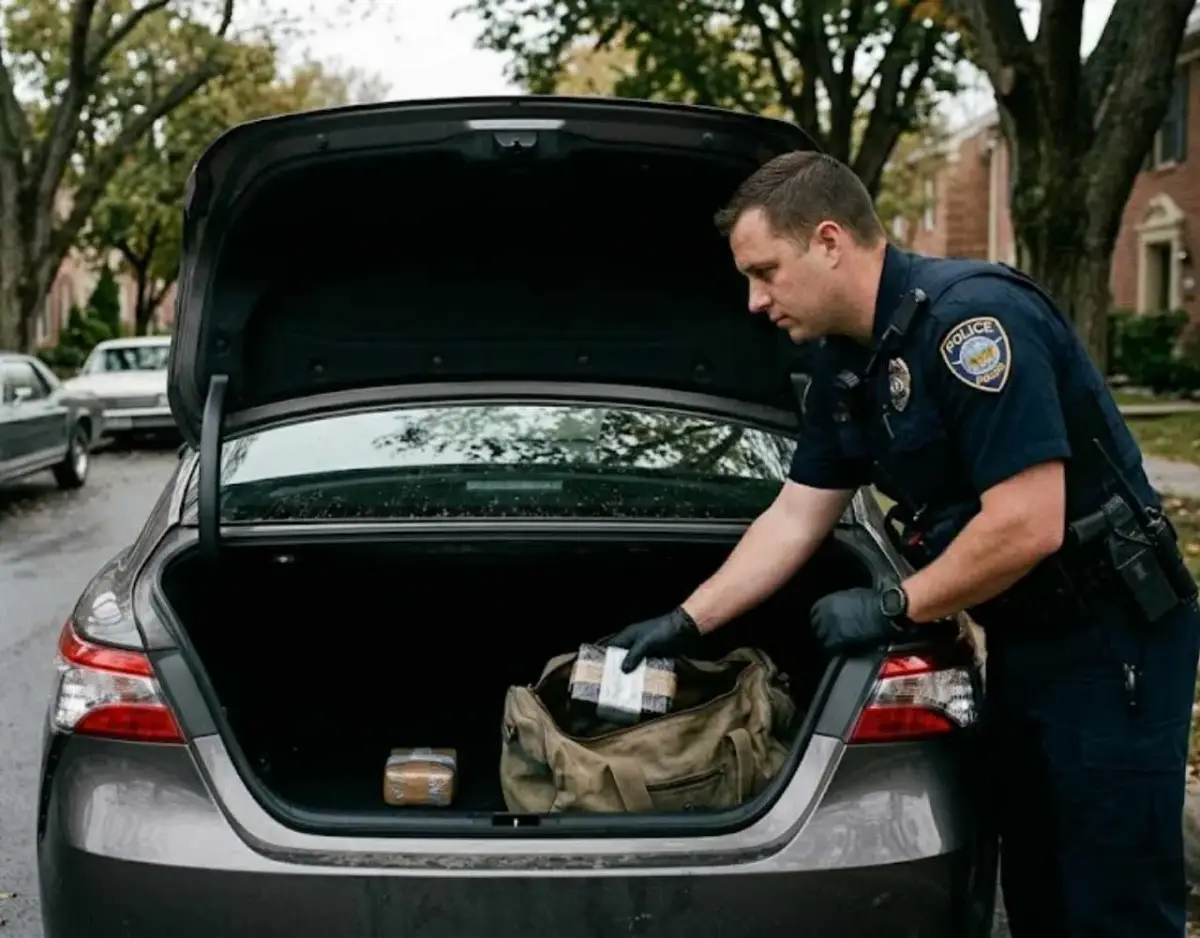
Many Greenville drug cases start with:
- Traffic stops
- Search and seizure warrants
- Anonymous tips
- Vehicle searches
- Ongoing investigations
A law enforcement officer may search a motor vehicle and discover drugs or drug paraphernalia.
Agencies that may investigate include:
- Greenville Police Department
- Greenville County Sheriff’s Office
- South Carolina Law Enforcement Division
- Homeland Security Investigations
Not every arrest means the police acted properly. Search and seizure warrants and police conduct should always be reviewed carefully.
Actual vs. Constructive Possession
One of the most important issues in drug cases is actual vs.constructive possession.
Actual Possession
Actual possession means drugs are physically found on a person.
Examples include:
- In a pocket
- In a purse
- In a backpack
Constructive Possession
Constructive possession means prosecutors claim someone had control over the drugs even though they were not physically holding them.
Examples include drugs found:
- In a motor vehicle
- In an apartment
- In a shared home
- In a friend’s belongings
This issue frequently arises when multiple people are present.
What Are the Penalties?
Penalties depend on:
- Drug weight
- Prior convictions
- Type of drug involved
- Whether firearm possession is involved
Possible consequences include:
- Time in County Jail
- Heavy fines
- Probation
- Mandatory minimum prison sentences
- Minimum sentences under South Carolina law
- A permanent criminal record
- Time in the South Carolina Department of Corrections
A conviction can also affect:
- Employment opportunities
- Professional licenses
- Public housing eligibility
- Firearm rights
Cases involving fentanyl-related substances and trafficking in fentanyl often carry especially severe penalties.
Additional Charges Prosecutors May Add

Sometimes prosecutors add other charges depending on the circumstances.
Examples include:
- Criminal Conspiracy
- Drug manufacturing
- Illegal Sale of a Controlled Substance
- Fentanyl Trafficking
- Firearm possession offenses
- Identity fraud
- Organized retail crime
- Grand larceny
- Petit larceny
- Timber theft
Some investigations involve allegations that someone wilfully withdraws public funds, transfers property to an unauthorized person, or uses falsified documents and a product code for unlawful purposes.
These allegations do not automatically mean a person is guilty. Every criminal offense must be proven beyond a reasonable doubt.
Can Possession With Intent Charges Be Defended?
Absolutely.
Several defenses may be available depending on the facts.
Illegal Searches
Police officers must follow the law. Problems with search and seizure warrants can sometimes lead to evidence being suppressed.
Lack of Possession
The prosecution may not be able to prove actual vs. constructive possession.
Lack of Intent
Possession alone does not necessarily mean distribution.
Problems with Drug Analysis
Errors involving laboratory testing and confiscated property may weaken the prosecution’s case.
Constitutional Violations
Evidence obtained unlawfully may not be admissible in court.
What Should You Do After an Arrest?
If you’ve been arrested, we recommend:
- Remaining calm.
- Exercising your right to remain silent.
- Avoiding conversations with investigators.
- Saving evidence and witness information.
- Contacting an experienced Drug Offender defense lawyer immediately.
The earlier we become involved, the more opportunities we may have to challenge the prosecution’s case.
Special Concerns in Juvenile Cases
A juvenile criminal case involving drugs can affect a young person’s future.
These cases require special attention because convictions may impact:
- Education opportunities
- Employment
- Military service
- Professional licenses
Parents should seek legal counsel as soon as possible.
How Touma Law Group Can Help

Facing possession with intent to distribute charges can feel overwhelming, but you don’t have to go through it alone.
At Touma Law Group, we understand how aggressively law enforcement and prosecutors pursue drug cases in Greenville and throughout South Carolina. We carefully review police reports, challenge illegal searches, examine drug analysis procedures, and fight to protect our clients’ rights.
Whether your case involves possession with intent to distribute marijuana, Schedule I controlled substances, THC products, synthetic chemicals, or allegations involving drug dealers and Criminal Conspiracy, we are prepared to stand beside you every step of the way.
Contact Touma Law Group Today
A charge for possession with intent to distribute is serious, but an arrest is not a conviction. There may be defenses available, and the actions you take now can make a major difference in the outcome of your case.
If you or someone you love has been arrested in Greenville or anywhere in South Carolina, contact Touma Law Group today. We’ll listen to your side of the story, explain your legal options, and fight to protect your freedom and your future.
Frequently Asked Questions
How is possession with intent different from simple possession?
Simple possession involves personal use. Possession with intent to distribute is a more serious charge that carries harsher penalties.
Can I be charged even if I wasn’t selling drugs?
Yes. Prosecutors can use factors like drug weight, packaging, or digital scales to argue that you intended to distribute drugs.
Can I be charged if drugs were found in my car or home?
Yes. Under actual vs. constructive possession, you may be charged even if the drugs were not physically on you.
What should I do if I’m arrested for possession with intent in Greenville, SC?
Remain silent, avoid speaking with police, and contact an attorney as soon as possible.