
Misdemeanor possession charges in South Carolina are more serious than many assume. Simple possession can result in fines, jail time, and a criminal record impacting jobs, housing, and education. South Carolina’s strict drug laws mean that possessing controlled substances, from Schedule I to V, can have unexpected and lasting effects.
Navigating the legal system can be daunting, so many seek a drug crimes lawyer to grasp their rights and options. Understanding South Carolina’s drug possession laws, the duration misdemeanors linger on records, and penalties under codes 44-53-370 and 44-53-375 are vital. This guide covers what defines misdemeanor possession, possible defenses, and how a drug crimes attorney can aid you.
What Qualifies as Misdemeanor Possession
South Carolina classifies drug possession based on the substance, amount, and circumstances. Misunderstanding these can turn a misdemeanor possession charge into a more serious charge like possession with intent to distribute. Here’s how the state evaluates such cases.
Simple Possession Under South Carolina Law
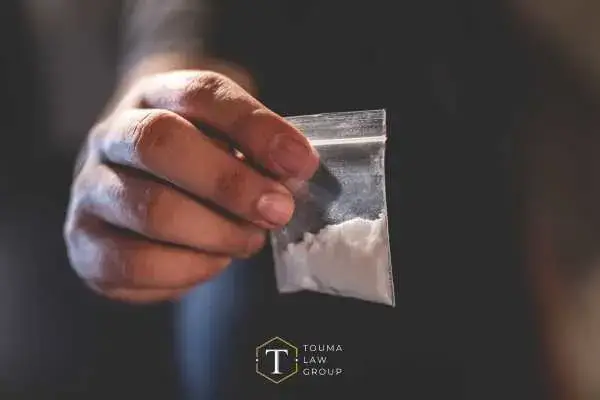
South Carolina law distinguishes between simple possession and possession with intent to distribute SC. A simple possession charge SC typically means a small amount of a controlled substance, marijuana (cannabis), cocaine base, hash & concentrates, cannabis oil, or other controlled substances, where law enforcement believes the amount indicates personal use.
Under Section 44-53-370, simple possession of a Schedule I drug like marijuana plants or other Schedules I to V substances can result in a misdemeanor charge. Even possession of marijuana in small amounts may lead to legal consequences, especially if law enforcement officers believe you violated the marijuana tax stamp law or other related statutes.
Difference Between Simple Possession and PWID
Possession with intent to distribute (PWID) is treated as a felony and considered far more serious than misdemeanor possession. Law enforcement looks for indicators like packaging, scales, large amounts of cash, or communications suggesting drug trafficking activity.
Even if the amount is borderline, officers sometimes overcharge possession as a trafficking charge or a drug manufacturing offense. A strong criminal defense lawyer can challenge these assumptions and push to have the case reclassified to a misdemeanor possession charge.
Learn More: Meth Trafficking Charges in South Carolina
Penalties for Misdemeanor Possession in South Carolina
Misdemeanor penalties for controlled substances vary based on drug schedule, prior offenses, and incident specifics. Though lighter than felony drug trafficking charges, they can be significant. Understanding these penalties is crucial for navigating the legal process.
Fines, Jail Time, and First-Offense Rules
Penalties depend on the drug schedule involved. Schedule I and II narcotics carry some of the harshest consequences, while penalties for Schedule III, Schedule IV, or Schedule V drugs may be lower.
Common misdemeanor drug possession penalties include:
- Jail time up to 30 days for a first offense
- Fines
- Mandatory minimum sentences for certain substances
- Community service
- Drug treatment or rehabilitation program participation
For marijuana (cannabis), penalties differ based on weight and whether the state views the offense as simple possession, sale or trafficking, or manufacturing marijuana.
Repeat Offense Penalties
Repeat simple possession charges often lead to:
- Increased incarceration
- Higher fines
- Mandatory drug testing procedures
- Loss of education credits or work release eligibility
- Tougher community supervision conditions
A second conviction may also bar someone from conditional release programs or certain conditional discharge programs.
How Misdemeanor Possession Impacts Your Criminal Record
A misdemeanor drug possession charge can severely impact your criminal record, job prospects, and daily life. Many underestimate its damage, especially on background checks. Understanding the duration it stays on your record and your options for mitigation can greatly influence your future plans.
How Long a Misdemeanor Stays on Your Record
Many people are surprised to learn that in South Carolina, a misdemeanor drug possession charge can stay on your criminal record permanently unless it qualifies for expungement. Factors like the type of drug, whether you completed a diversion program, and your criminal history all affect eligibility.
A criminal record can make it harder to:
- Pass a criminal background check
- Secure housing
- Apply for professional licensing
- Maintain employment, especially in retail property or motor vehicle–related industries
Background Check and Employment Consequences
South Carolina employers often run background checks that report misdemeanor charge information indefinitely. Charges related to controlled substances or drug possession charges can be flagged as drug crimes under the South Carolina Criminal Code, affecting your future even years later.

Common Defenses to Misdemeanor Possession Charges
Each drug possession charge is unique, but common defenses in South Carolina include Fourth Amendment rights, evidence issues, or law enforcement errors. Here are key defenses lawyers often use.
Illegal Search and Seizure
If police violated your Fourth Amendment rights, such as through a warrantless search, improper vehicle stop, or unlawful detention, your attorney may be able to suppress evidence. Bodycam footage, lab tests, and lab results are often important in proving the search was improper.
Lack of Knowledge or Control
Sometimes the prosecution cannot prove that the defendant knowingly possessed the controlled substance. Drugs found in a shared motor vehicle, shared home, or public area may not support a conviction.
Problems With Lab Testing or Evidence Handling
Issues like:
- Mishandled drug tests
- Faulty drug testing procedures
- Inaccurate drug classifications
- Problems with the chain of custody
Can lead to evidence being thrown out, especially in cases involving cocaine base, hash & concentrates, or cannabis oil.
What To Do If You’re Charged With Misdemeanor Possession
Facing drug possession charges can be daunting. Avoid talking excessively or trying to “explain” to law enforcement. Your initial actions are crucial to your case. It’s essential to know your rights and how to protect yourself.
Steps to Take Immediately
If police arrest you or accuse you of a drug possession charge:
- Do not discuss your case; invoke your Fifth Amendment rights
- Ask for a criminal defense attorney immediately
- Avoid making statements about the drug schedule, substance type, or amount
- Document what happened, including searches and seizures
Why You Should Avoid Talking to Law Enforcement
Even innocent explanations can be misinterpreted. Law enforcement may attempt to escalate the charge into possession with intent to distribute SC, a trafficking charge, or even link it to a broader South Carolina drug trafficking investigation.
How Drug Diversion and Alternative Programs Work
South Carolina offers several programs for eligible defendants, including:
- Drug Court
- Pre-Trial Intervention (PTI)
- Conditional Discharge Programs
- Rehabilitation program options
Completing a diversion program can reduce or eliminate jail exposure and help keep the misdemeanor charge off your criminal record.
How a South Carolina Criminal Defense Lawyer Can Help
A skilled criminal defense lawyer evaluates every detail of your case, including:
- Whether the controlled substance was properly identified
- Whether your Fourth Amendment rights were violated
- Whether the search and seizure complied with Section 44-53-110 or Section 44-53-210
- Whether plea deals, a plea agreement, or plea bargains offer a better outcome
- Whether legal challenges exist based on lab results or warrant procedures
An attorney can help defend against related charges often filed with drug possession, like fake ID, petty larceny, forgery, theft, receiving or possessing stolen goods, obtaining property by false pretenses, breach of trust, and felony theft, especially when charges are stacked.
Conclusion
Misdemeanor possession in South Carolina is serious, carrying potential jail time, fines, drug court mandates, and a lasting criminal record. Understanding SC drug laws, especially how Schedules I–V determine penalties, helps you grasp the consequences and your available options.
Whether you’re facing simple possession, drug paraphernalia allegations, or accusations connected to trafficking marijuana or drug manufacturing, you don’t have to navigate the legal process alone. A knowledgeable drug crimes attorney can protect your rights, challenge improper searches, and help you pursue the best possible outcome.
If you or a loved one is facing a drug charge, contact Touma Law Group today at our Greenville office: (864) 618-2323. We are here to help you move forward with clarity and confidence.
Frequently Asked Questions
How serious is a possession charge?
A possession charge seems minor, but it is significant. Simple possession, often a misdemeanor, can lead to 30 days’ jail for marijuana and up to 3 years for certain Schedule I or II drugs. Besides legal penalties, it impacts employment, housing, licensing, financial aid, and your criminal record.
How do you beat a simple possession charge?
Strong defenses rely on case facts. Charges may be dropped or reduced if a lawyer proves an illegal search, Fourth Amendment violation, mishandled evidence, or lack of knowledge of possession. Lab or field test issues can also help. Programs like Pre-Trial Intervention or conditional discharge may prevent convictions.
How much is a simple possession ticket in SC?
Fines for simple possession vary. For first-offense marijuana, fines are up to $200 plus court costs. For other substances, especially Schedule I or II drugs, fines can exceed $1,000. Fines are just part of the penalty; probation, mandatory treatment, license issues, and fees for diversion programs may also apply.