Zero tolerance laws address drinking and driving by young drivers, and South Carolina has one. Under S.C. Code Ann. § 56-1-286, the Department of Motor Vehicles (DMV) must suspend the driver’s license, permit, or nonresident operating privilege of a person under the age of 21 who drives a motor vehicle with an alcohol concentration of 0.02 percent or more.
This is a much lower threshold than the 0.08 percent limit that applies to adult drivers. A driver under 21 who has a BAC of 0.02 percent or more faces an automatic license suspension, and a driver who refuses a chemical test faces a suspension as well.
Call Touma Law Group to speak with a DUI defense attorney if you have any questions about your DUI case today.
South Carolina Zero Tolerance Law
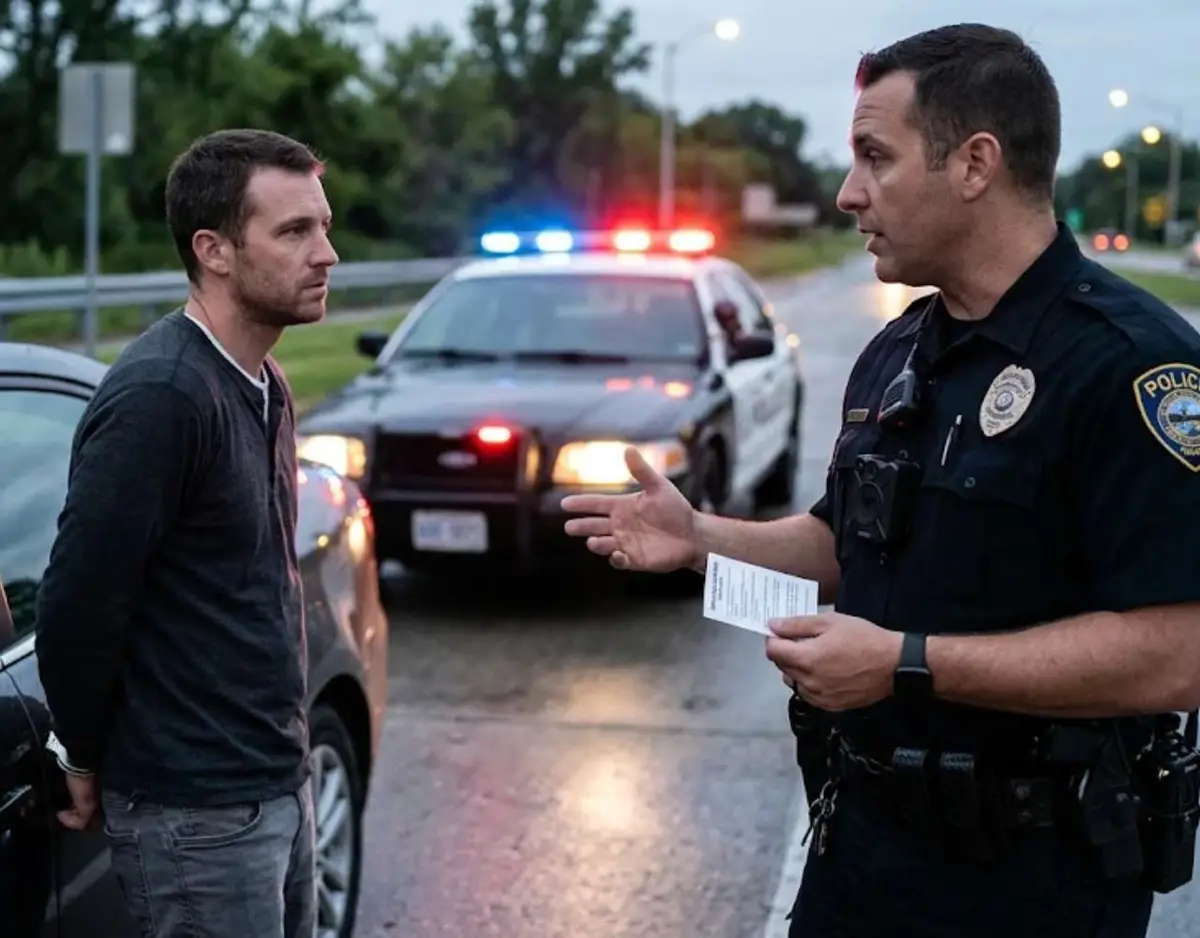
If a police officer suspects that an underage driver is driving after drinking, the officer can pursue a suspension under South Carolina’s zero tolerance law. By comparison, a driving with an unlawful alcohol concentration (DUAC) charge under S.C. Code Ann. § 56-5-2933 requires an alcohol concentration of 0.08 percent or more.
A driver under the age of 21 is subject to suspension at an alcohol concentration of 0.02 percent or more. Under § 56-1-286(A), when an officer starts suspension proceedings under this law, the officer has elected to pursue the suspension and cannot then prosecute the same incident as a violation of S.C. Code Ann. § 56-5-2930 (DUI), § 56-5-2933 (DUAC), or the underage alcohol possession and consumption statutes, S.C. Code Ann. §§ 63-19-2440 and 63-19-2450.
The Zero Tolerance Suspension in South Carolina
Just like a driver over 21, a driver under 21 is considered to have consented to chemical tests just by driving in South Carolina. Under § 56-1-286(B), the consent covers tests of the person’s breath or blood to determine the presence of alcohol. An officer who has reasonable suspicion that a vehicle is being driven by a person under 21 who has consumed alcohol may detain the driver and order a test. The officer must first offer a breath test, and a blood sample may be taken if the person physically cannot provide an acceptable breath sample.
The suspension periods depend on whether the driver took the test and on the driver’s record:
- Refusing the test: A suspension of six months, or one year if, within the three years before the violation, the driver was convicted of DUI, DUAC, or felony DUI (or a similar law of another state) or had a previous suspension under § 56-1-286, § 56-5-2951, or § 56-5-2990.
- Taking the test with a result of 0.02 percent or more: A suspension of three months, or six months if the same prior conviction or suspension exists within the previous three years.
Before any test, the officer must tell the driver, using video recording equipment, that the driver does not have to take the test, that refusing means a suspension of at least six months, and that a result of 0.02 percent or more means a suspension of at least three months. Under § 56-1-286(J), the driver must also be told of the right to an independent test at the driver’s own expense and the right to request a contested case hearing within 30 days of the notice of suspension.
A person whose license is suspended under this law must also enroll in an Alcohol and Drug Safety Action Program under S.C. Code Ann. § 56-5-2990. If the person does not request a hearing, the person must enroll within 30 days of the notice of suspension, or the suspension remains in effect and a temporary alcohol license is not available.
Challenging a Zero-Tolerance Suspension in South Carolina
A suspension can be challenged, but the deadline is short. Under § 56-1-286(L), the driver has 30 days from the issuance of the notice of suspension to request a contested case hearing before the Office of Motor Vehicle Hearings. The deadline runs from the notice, not from the date of the arrest. If the driver does not request a hearing, the right to a hearing is waived and the suspension continues.
The scope of the hearing is limited to specific questions under § 56-1-286(P). They include whether the person was lawfully arrested or detained, whether the person was given a written copy of the rights in the statute and told of them verbally, and whether the person refused the test. If the person took the test, the hearing also covers whether the reported alcohol concentration was 0.02 percent or more, whether the person who administered the test was qualified, whether the test was conducted as the statute requires, and whether the machine was operating properly. The DMV and the arresting officer have the burden of proof, and if neither appears, the hearing officer must rescind the suspension.
While waiting for the hearing, a driver can get a temporary alcohol license (TAL) from the DMV within the same 30 days. The fee is $100. Under § 56-1-286(L)(2), an ignition interlock restriction is maintained on the temporary alcohol license for three months. If the hearing has not reached a final disposition by the time that restriction ends, the person can get a temporary alcohol license without an ignition interlock restriction. Find more about temporary alcohol licenses from the DMV, which lists a temporary alcohol license for a BAC of 0.02 or more under 21 and for implied consent under 21.
Options for Handling a Zero-Tolerance Suspension in South Carolina
If the driver decides not to challenge the suspension, or challenges it and loses, there is another option in the statute. Under § 56-1-286(H), in place of serving the rest of a suspension, a person may enroll in the Ignition Interlock Device Program under S.C. Code Ann. § 56-5-2941, end the suspension, and obtain an ignition interlock restricted license. The device is required for as long as the suspension had left to run, and for at least three months if less than three months remain.
A DUI defense lawyer at Touma Law Group can review your situation and explain your options for the alcohol or drug-related offense charges you are facing. Get in touch with us.