
Drug trafficking is one of the most serious drug crimes prosecuted in South Carolina, and the penalties can be severe. Many people assume trafficking only applies to large-scale operations, but under state law, you can face drug trafficking charges based solely on the amount of illegal drugs in your possession. In other words, you do not have to be caught selling drugs to be charged with trafficking.
Because these cases often involve strict mandatory minimums and long-term consequences, understanding how drug trafficking laws work is critical. Whether you are facing a drug trafficking charge or want to understand your rights, knowing what to expect can make a significant difference. If you are dealing with charges in the area, speaking with a Greenville drug trafficking lawyer can help you better understand your options and next steps.
What Is Drug Trafficking Under South Carolina Law?
Under South Carolina law, drug trafficking refers to the manufacture, distribution, or possession of controlled substances above certain legal limits. Unlike drug possession or simple possession, trafficking is usually based on quantity, not necessarily intent. This means the law often presumes involvement in drug distribution when larger amounts are involved.
Controlled substances fall under Schedules I–V, which categorize drugs based on their medical use and potential for abuse. This includes everything from highly restricted substances to certain prescription drugs.
There are also different ways possession can be established:
- Actual possession: Drugs are found directly on you
- Constructive possession: Drugs are found in a place you control, such as your car or home
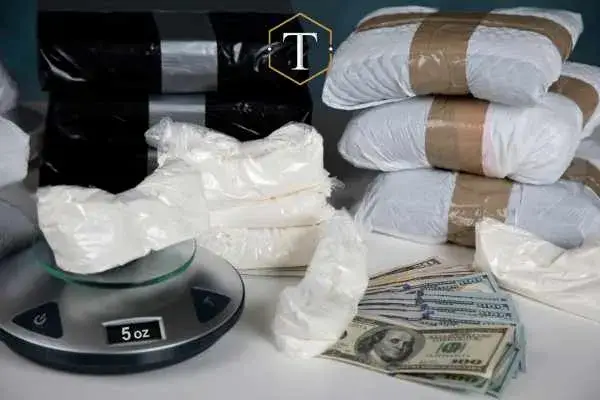
In many cases, law enforcement may also rely on surrounding evidence to support trafficking allegations, including:
- Drug paraphernalia
- Packaging materials
- Large amounts of cash
These factors can elevate a case from simple possession to a more serious drug trafficking charge.
Drug Quantity Thresholds and How Charges Are Determined
In South Carolina, the difference between a lower-level drug offense and a drug trafficking charge often comes down to the threshold weight of the substance involved. Each drug has a specific threshold amount that triggers trafficking charges.
Common examples include:
- Marijuana: 10+ pounds
- Powder cocaine: 28+ grams
- Crack Cocaine: Lower thresholds than powder cocaine
- Crystal methamphetamine (amphetamine family): Strict weight-based thresholds
These limits are defined under key statutes, including:
- Section 44-53-370
- SC Code Section 44-53-375
- Section 44-53-378
Beyond weight alone, law enforcement officers often look for additional signs of distribution. Evidence such as:
- Packaging materials
- Scales or measuring tools
- Large amounts of cash
Even small differences in weight can significantly increase the severity of the charges, which is why these cases require careful legal analysis.
Penalties for Drug Trafficking in South Carolina
The penalties for drug trafficking charges in South Carolina are among the most severe for any drug offense. Most convictions carry mandatory minimum prison sentences, meaning judges have very limited flexibility when sentencing.
Depending on the type and amount of the drug, penalties may include:
- Lengthy prison sentences (often several years to decades)
- Significant fines
- A permanent felony conviction
These mandatory minimums increase as the threshold weight rises, making higher-level trafficking charges especially serious. Even a first-time offense can result in substantial jail time, especially for a more serious charge such as cocaine trafficking.
In some cases, additional factors such as prior convictions or the scale of the alleged activity can lead to even harsher penalties or federal charges. Because of the strict nature of mandatory prison sentences, anyone facing a drug trafficking charge should take immediate steps to understand their legal options.

Long-Term Consequences of a Trafficking Conviction
A conviction for drug trafficking in South Carolina can have consequences that extend far beyond a prison sentence. While incarceration and fines are immediate penalties, the long-term impact on your life can be just as serious.
A felony conviction can make it difficult to:
- Find or keep employment
- Secure housing
- Qualify for certain professional licenses
- Access educational opportunities or financial aid
In addition, having a permanent criminal record can affect your reputation and limit future opportunities. Even after serving your sentence, the effects of a drug offense can follow you for years.
There are also financial consequences to consider. Court-related expenses, including fines and case costs, can add up quickly. When combined with lost income and limited job prospects, the financial burden of drug charges can be overwhelming.
Learn More: What to Expect if You’re Charged with a Felony
Your Rights and Possible Defenses
If you are facing drug trafficking charges, it is important to understand that you still have legal rights. Law enforcement must follow strict procedures when investigating and making arrests, and any violation of those rights can impact your case.
For example, you are protected against unlawful searches and seizures. If officers obtained evidence without a valid warrant or probable cause, that evidence may be challenged or excluded. You also have the right to remain silent and avoid self-incrimination.
There are several common defense strategies that may apply in a trafficking case, including:
- Challenging whether you had actual possession or constructive possession
- Arguing a lack of knowledge or control over the drugs
- Questioning the accuracy of the threshold weight or substance classification
- Identifying issues with how evidence, such as drug paraphernalia or packaging materials, was collected and handled
Because trafficking cases often rely heavily on circumstantial evidence, such as large amounts of cash, a strong legal defense can make a significant difference in the outcome.
Why Hiring a Drug Defense Attorney Is Critical
Facing a drug trafficking charge is not something you should handle alone. The stakes are high, and the legal process can be complex, especially when mandatory minimum prison sentences are involved.
An experienced criminal defense attorney or drug crime defense attorney can evaluate your case, identify weaknesses in the prosecution’s evidence, and develop a strategy tailored to your situation. This may include negotiating for reduced charges, challenging evidence, or seeking alternative outcomes where possible.
Working with a skilled drug trafficking lawyer also ensures that your rights are protected at every stage of the case. From your initial meeting through court proceedings, your attorney can guide you through the process and help you make informed decisions.
Final Thoughts: What to Do Next
Drug trafficking charges in South Carolina carry serious risks, including long-term consequences that can affect nearly every aspect of your life. From strict mandatory minimums to the lasting impact of a criminal record, these cases should never be taken lightly.
If you have been arrested or are under investigation, acting quickly is critical. The sooner you speak with a qualified drug crime attorney, the better your chances of protecting your rights and building a strong defense.
At Touma Law Group, we understand how overwhelming these situations can be. Our team is committed to helping clients navigate complex drug laws and fight back against serious charges. Contact us today at (864) 618-2323 to schedule a free consultation and get the guidance you need.
Frequently Asked Questions
What qualifies as drug trafficking in Greenville, SC?
In Greenville, SC, drug trafficking is typically based on the quantity of drugs in your possession rather than the intent to sell. If the amount exceeds certain legal thresholds, you can be charged with trafficking even without evidence of distribution. These thresholds vary depending on the substance, such as marijuana, cocaine, or methamphetamine.
What are the penalties for drug trafficking in Greenville, SC?
Penalties for drug trafficking in Greenville, SC, often include mandatory minimum prison sentences, significant fines, and a permanent felony conviction. The exact punishment depends on the type and weight of the drug, but even first-time offenders can face several years in prison due to South Carolina’s strict sentencing laws.
Can drug trafficking charges be reduced or dismissed in Greenville, SC?
Yes, in some cases, drug trafficking charges in Greenville, SC, can be challenged or reduced. A defense may involve disputing the drug weight, challenging an illegal search, or proving a lack of possession or knowledge. Working with an experienced Greenville, SC drug trafficking lawyer can improve your chances of a more favorable outcome.