A DUI arrest in upstate South Carolina can bring jail time, fines, an ignition interlock device and a license suspension, and the entire system is easy to get lost in. This page explains field sobriety tests and how they differ from the chemical tests that South Carolina law treats separately. It is general information, not legal advice. A licensed South Carolina attorney at Touma Law Group must review the facts of your case before you rely on any of it.
The criminal defense attorneys in Greenville at Touma Law Group can walk you through each step and process, one by one. No lawyer can promise a result.
What is a Field Sobriety Test?
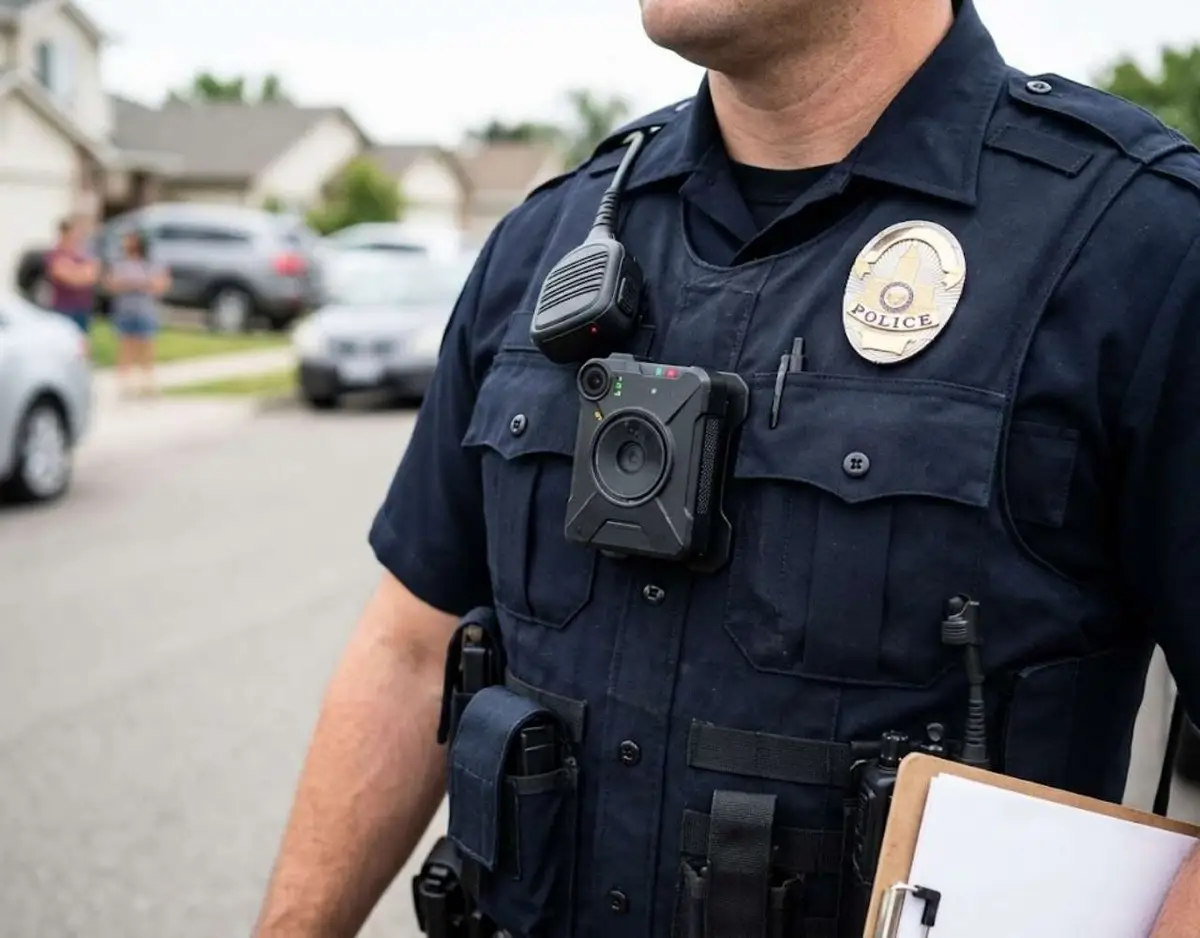
A field sobriety test is a roadside task an officer asks a driver to perform during a stop. It is different from a breathalyzer test, which is a chemical test. Chemical tests of breath, blood or urine come after an arrest and are covered by the implied consent law (S.C. Code Ann. § 56-5-2950).
The National Highway Traffic Safety Administration (NHTSA) describes three standardized field sobriety tests that are meant to be given and scored in a standardized way: the walk-and-turn test, the one-leg stand test and the horizontal gaze nystagmus (HGN) test.
In the walk-and-turn test, the driver walks heel-to-toe along a line, turns and walks back while following the officer’s instructions. In the one-leg stand test, the driver stands on one leg and counts. In the HGN test, the officer watches the driver’s eyes follow a pen or light from side to side and looks for involuntary jerking. These tasks are more complicated than they sound, and an officer’s instructions and scoring are part of what a lawyer can review.

Can I Refuse Field-Sobriety Testing?
Field sobriety tests are not part of South Carolina’s implied consent law. State law says that a refusal to take a field sobriety test does not constitute disobeying a police command (S.C. Code Ann. § 56-5-2953(A)(1)(b)), and the Code does not attach an administrative license suspension to refusing one. The exception is a crash. If an officer suspects the driver caused a crash that killed another person, the driver must submit to field sobriety tests (S.C. Code Ann. § 56-5-2948).
Chemical tests after an arrest are treated differently. Anyone who drives in South Carolina is considered to have consented to chemical tests of breath, blood or urine if arrested for DUI. The officer must offer a breath test first, and the breath sample must be taken within two hours of the arrest, with other samples taken within three hours. Before testing, the officer must tell you that you do not have to take the test, but that your license must be suspended or denied for at least six months if you refuse, and that your refusal may be used against you in court (S.C. Code Ann. § 56-5-2950). A result of 0.15 or more also leads to a suspension of at least one month (S.C. Code Ann. § 56-5-2951). Read more about how your license will be suspended.
What Should I Know About Roadside and Chemical Test Results?
This page does not tell you whether to take or decline a roadside test. That decision depends on the facts, and a lawyer should review them. These points apply to how test evidence is handled.
- Roadside tests depend on conditions and scoring. Fatigue, weather, footwear and uneven ground can affect how a person performs, and the officer who gives the test also scores it. A lawyer can examine whether NHTSA’s standardized guidelines were followed.
- Chemical test results follow set rules. At the time of the test, an alcohol concentration of 0.05 or less is conclusively presumed not under the influence, a result over 0.05 and under 0.08 draws no inference either way, and a result of 0.08 or more may be inferred to show that the person was under the influence (S.C. Code Ann. § 56-5-2950(G)).
- Testing procedures can be reviewed. A breath test must be given by a person trained and certified under the policies of the State Law Enforcement Division. A failure to follow those policies excludes a result only if it materially affected the accuracy of the test or the fairness of the testing procedure (S.C. Code Ann. § 56-5-2950).
- Video recordings are required. The recording of the incident site must begin no later than the officer’s blue lights and must include the field sobriety tests, the arrest and the Miranda advisement, and the breath test site must also be recorded. A failure to produce a video is not alone a ground for dismissal (S.C. Code Ann. § 56-5-2953).

Learn More: What Should You do After a DUI Arrest?
Contact the DUI Lawyers at Touma Law Group
No matter the circumstances of your DUI arrest and charges, we are here to talk. As criminal defense and DUI attorneys, Touma Law Group can review the stop, the field sobriety tests, the chemical test and the recordings, and explain how South Carolina law applies to your case. Whether you are looking for legal advice or you have just been arrested and need representation now, call 864-618-2323 to schedule a free consultation for your case.