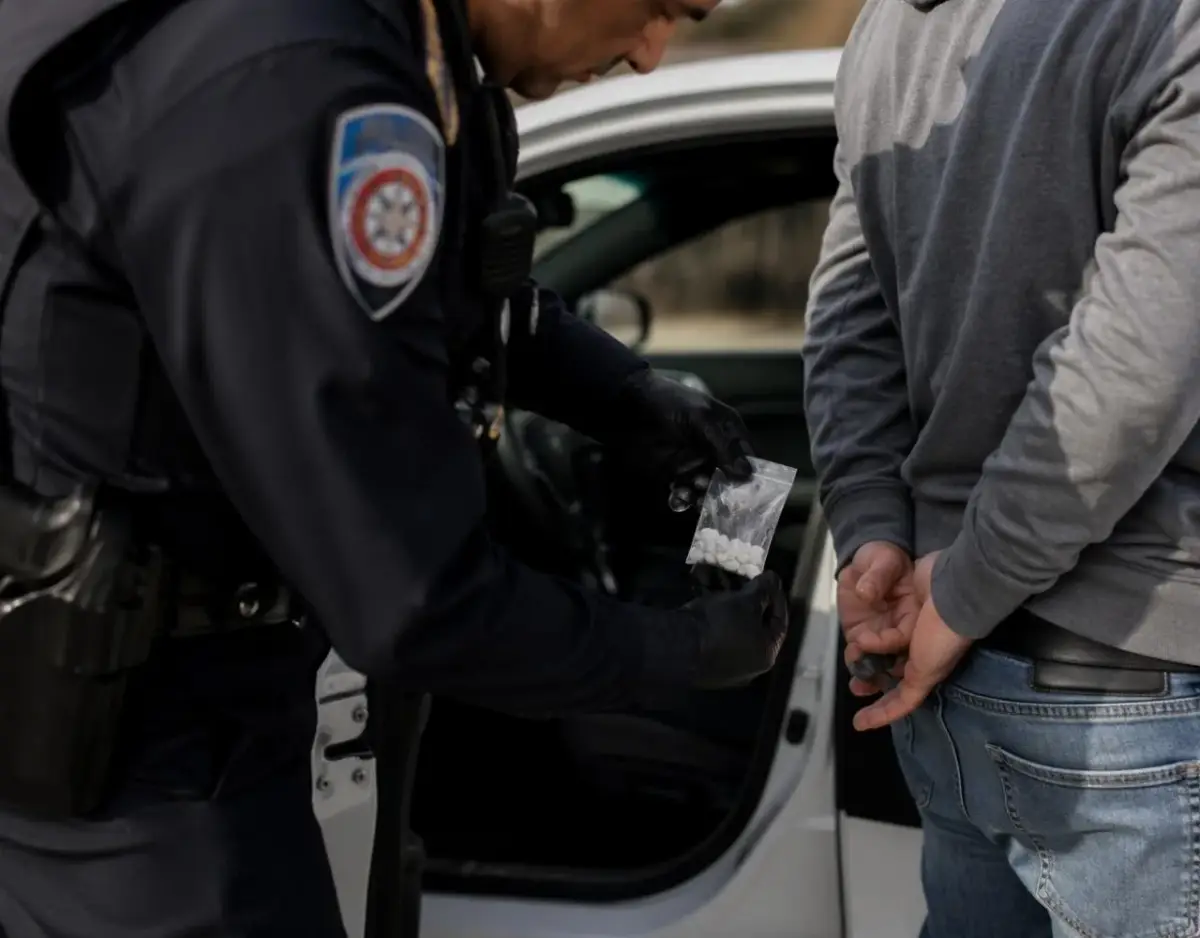
When a drug arrest happens, the first question we ask isn’t just what was found, it’s how it was found. In many drug cases, the entire outcome depends on whether law enforcement followed the rules during a search or seizure. If they didn’t, the evidence they collected may not even be allowed in court.
We’ve seen many situations where people assume a charge is unbeatable simply because drugs were discovered. But under the Fourth Amendment of the United States Constitution and the South Carolina Constitution, you have strong protections against unreasonable searches and seizures. A skilled Anderson criminal defense lawyer can use those protections to challenge the evidence and strengthen your case.
At Touma Law Group, we review every detail of your case from the initial traffic stop to the full investigation to protect your constitutional rights. We proudly serve clients in Anderson, South Carolina. If you’re facing drug charges, contact us today for trusted guidance and defense.
Understanding Search and Seizure Basics
What Do “Searches and Seizures” Mean?
In simple terms, search and seizure laws control when and how a law enforcement officer can:
- Search your person, home, vehicle, or electronic devices
- Take property, including alleged drug evidence
- Detain you during a criminal investigation
These protections come directly from the Fourth Amendment of the U.S. Constitution, which guards against unreasonable searches. Under both federal and South Carolina law, officers must follow strict legal standards before conducting police searches.
Why This Matters in Drug Arrests
Most drug crimes depend on physical evidence like:
- Illegal narcotics
- Drug paraphernalia
- Packaging materials linked to possession with intent to distribute
- Substances tied to drug trafficking or conspiracy to traffic
If that evidence was obtained through an illegal search and seizure, we can often challenge it through criminal procedures such as a motion to suppress.
When Police Can Legally Search You

Searches With a Warrant
A search warrant is one of the most common ways police conduct legal searches. However, it must meet strict warrant requirements, including:
- A showing of probable cause
- Approval from a judge
- A clear description of where officers can search and what they are looking for
Even with a warrant, officers must stay within defined search boundaries. If they go beyond that scope, the search may become invalid.
Warrantless Searches (Common Exceptions)
Not every search requires a warrant. However, warrantless searches are only allowed under specific exceptions.
Consent Searches
If you give permission, officers may conduct a warrantless search. But consent must be voluntary, not pressured or coerced.
Search Incident to Arrest
After a lawful arrest, officers may search you and the immediate area. This is known as a search incident to arrest.
Plain View Doctrine
Under the plain view doctrine, if a police officer sees drugs in plain sight, they may seize them without a warrant.
Exigent Circumstances
In emergencies such as risk of evidence destruction or danger to others, exigent circumstances may justify immediate action.
Automobile Exception
Vehicles have less privacy protection. Under the automobile exception, officers can perform a vehicle search if they have probable cause to believe it contains drugs.
Learn More: When can a cop search your car in South Carolina?
Common Situations Leading to Drug Searches
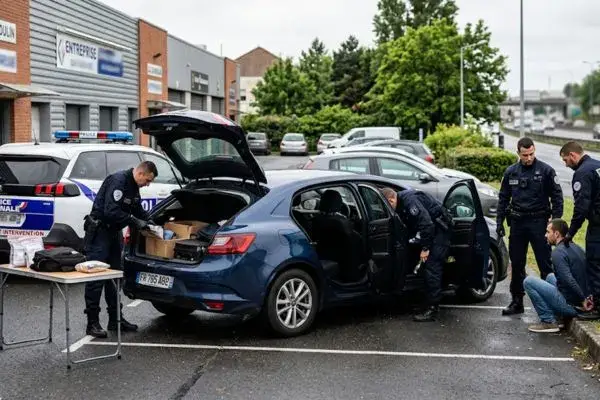
Traffic Stops and Motor Vehicle Stops
A traffic stop is one of the most common starting points for drug searches.
During a stop, officers must have a valid reason, such as:
- A traffic violation
- Reasonable suspicion of criminal activity
However, they cannot extend the stop just to look for drugs without additional justification.
You may encounter:
- Requests to search your vehicle
- Use of a drug dog or drug-detection dogs
- Questions aimed at building probable cause
Vehicle Searches
A vehicle search can happen under several legal theories, including:
- Consent
- Probable cause
- The automobile exception
We often review whether the officer had a valid reason for searching for drugs in your car.
Searches of Homes and Property
Your home receives the highest level of protection. In most cases, officers must have a valid search warrant to enter.
We closely examine:
- Whether the warrant was properly issued
- Whether officers exceeded the scope of the warrant
- Whether any electronic surveillance, GPS data, or electronic devices were accessed legally
Stop and Frisk
Under criminal law, officers may briefly detain and pat someone down if they have reasonable suspicion that the person is armed.
This type of search is limited and cannot automatically turn into a full drug search.
Learn More: What is probable cause for search and seizure in SC?
Illegal Searches: When Your Rights Are Violated

Not all police searches follow the law. When officers cross the line, it can significantly impact your case.
Lack of Probable Cause
Searches based on a hunch or vague suspicion often violate the Fourth Amendment.
Invalid Warrants
If a search warrant fails to meet legal standards, any evidence collected may be considered illegal evidence.
Coerced Consent
If you felt pressured into allowing a search, that consent may not be valid.
Unlawful Traffic Stops
If a motor vehicle stop had no legal basis, everything that follows could be challenged.
What Happens if a Search Is Illegal?
The Exclusionary Rule
The exclusionary rule prevents illegally obtained evidence from being used in court. This is a powerful protection under the U.S. Constitution.
“Fruit of the Poisonous Tree” Doctrine
If the initial search was illegal, any additional evidence discovered as a result may also be excluded.
Exceptions to the Rule
In some cases, prosecutors may argue exceptions like:
- The good faith exception (officers believed they were acting legally)
- Claims of qualified immunity
We carefully evaluate whether these arguments apply in your case.
Defending Against Drug Charges in South Carolina

Challenging the Search
As criminal defense attorneys, one of our first steps is filing a motion to suppress. This is an evidentiary motion asking the court to exclude unlawfully obtained drug evidence.
Building a Strong Defense
We approach every case strategically by:
- Reviewing all legal statutes and federal court procedures
- Analyzing how law enforcement officers handled the situation
- Identifying violations of search and seizure laws
- Examining details of the criminal investigation
Whether you are facing:
- Simple possession of marijuana
- Heroin possession
- Possession with intent to distribute
- Drug trafficking
- Conspiracy to traffic
We tailor your defense to the facts of your case.
What to Do If You’re Arrested on Drug Charges
If you’re dealing with a drug offense, your actions matter. Here’s what we generally advise:
- Stay calm and avoid escalating the situation
- Do not consent to warrantless searches
- Exercise your right to remain silent
- Ask for a criminal defense lawyer immediately
- Do not discuss your case with anyone except your attorney
Even small details like statements made during a traffic stop can affect your case.
How Touma Law Group Can Help

At Touma Law Group, we handle a wide range of criminal law matters, including drug crimes, white-collar crimes, and DUI defense.
When we take on your case, we:
- Investigate every search or seizure for legal violations
- Challenge improper police searches
- File motions for suppression of evidence
- Protect your citizens’ rights at every stage
We understand how overwhelming the legal system can feel, especially when dealing with drug charges. Our role is to guide you, explain your options, and build the strongest defense possible.
A Strong Defense Starts Here
Not every drug arrest stands on solid legal ground. In fact, many cases hinge on whether law enforcement followed the rules set by the U.S. Constitution, the South Carolina Constitutio n, and South Carolina law. When those rules are broken, it creates real opportunities to challenge the case against you.
The key is acting early. The sooner we can review the details of how the stop happened, how the search was conducted, and how the evidence was handled, the better positioned we are to protect your future.
If you’re facing drug charges or believe your rights were violated during a search and seizure, contact Touma Law Group. We’re here to examine the facts, challenge unlawful actions, and help you move forward with a clear strategy.