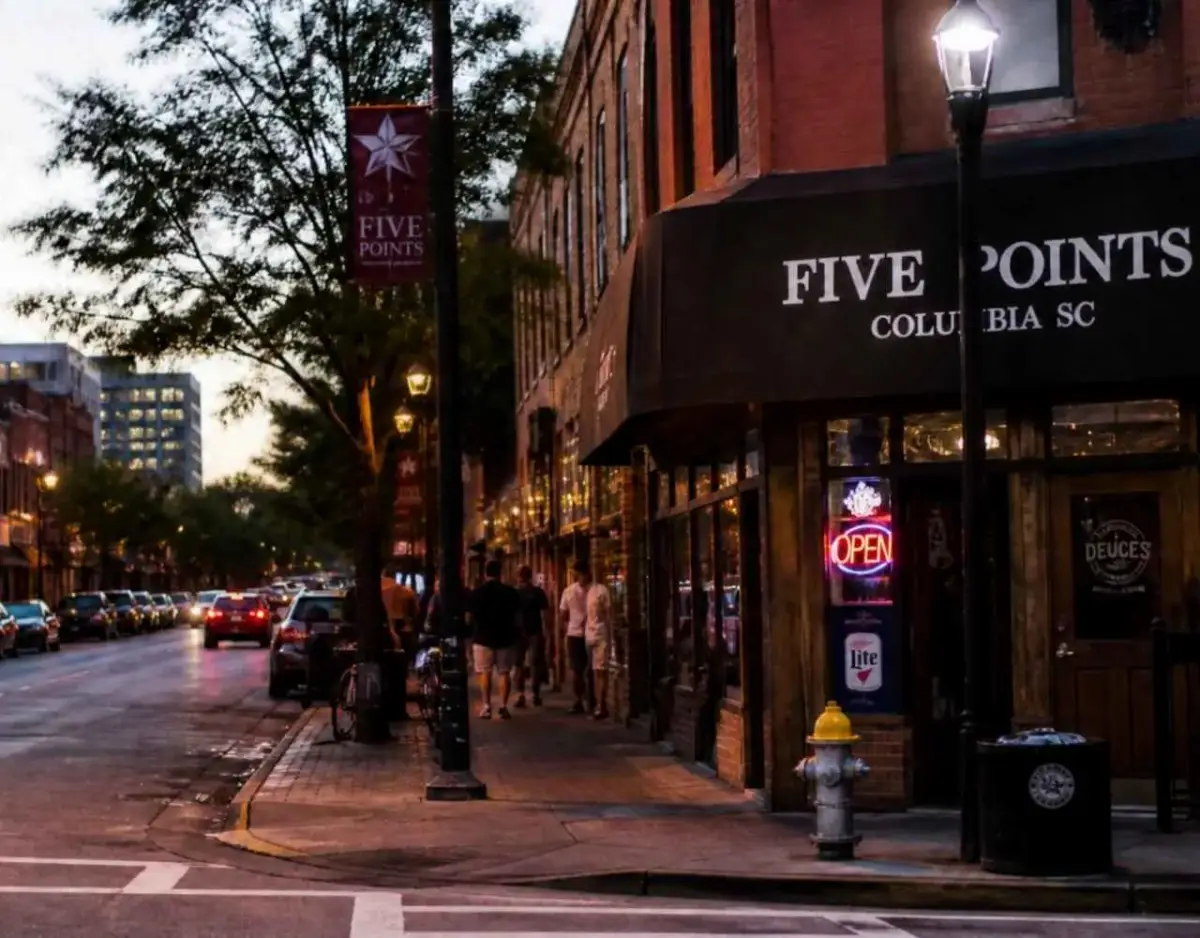
If you are reading this, there is a good chance you or someone you care about had an encounter in Five Points, Columbia, South Carolina, that led to an arrest or police involvement.
At Touma Law Group, we regularly speak with USC students and families who are dealing with stress and uncertainty after an arrest near the University of South Carolina. Our Columbia Criminal Defense Lawyer helps clients understand their rights, navigate the criminal justice system, and protect their future. Our goal is simple: reduce the damage and help you move forward.
We want you to understand what happens next, including court procedures, university discipline, and possible defenses.
If you or your child has been arrested in Five Points, contact Touma Law Group immediately. Early legal help can make a major difference in your case outcome.
1. Understanding Five Points and Why Arrests Happen Here

Five Points is one of the most active nightlife areas in Columbia, South Carolina. It is full of alcohol establishments, restaurants, and gathering spots for students from USC and nearby schools.
Because of this, Columbia police, city police, and the police department increase patrols, especially on weekends, game days, and events like SC State commencement.
Common issues in this area include:
- Large crowds of USC students
- Alcohol-related incidents
- Noise complaints and public disorderly conduct
- Increased police presence near bars and streets
- Occasional serious incidents, such as car break-ins or even murder investigation situations nearby
When tensions rise, small misunderstandings can quickly turn into arrests.
2. Most Common Charges in Five Points
We regularly defend students facing charges such as:
- Underaged drinking
- Public disorderly conduct
- Drug possession
- Assault charges, including assault and battery, first degree assault, second degree assault, and third degree assault
- Fake ID violations
- Open container offenses
- DUI cases
Even a minor charge can trigger the full criminal justice system process.
Learn More: Minor in possession of alcohol charges in South Carolina
3. What Happens After an Arrest in Columbia, South Carolina
After an arrest, things move quickly.
Here is what typically happens:
- You are taken into custody by police officers
- Police reports are created
- Your case enters the criminal justice system
- You may be released on bond or held briefly
- Court documents are filed
- Your attorney begins reviewing evidence during the discovery phase
During discovery, both sides review:
- Surveillance data
- Witness testimony
- Officer statements
- Body camera footage
From there, your lawyer may begin plea negotiations with prosecutors or challenge the case in court.
Learn More: What you should do if your child has been arrested
4. Your Rights After an Arrest
We always remind clients that you have rights, even after an arrest.
You have the right to:
- Remain silent
- Request an attorney
- Refuse self-incriminating statements
Anything you say can become part of court documents and used in your case.
This is especially important in cases involving juvenile justice or young adults, where early mistakes can impact long-term opportunities.
Learn more: South Carolina statutes on controlled substances
5. The Hidden Impact on Your Academic Life
An arrest does not just stay in court. It can affect your life at USC.
We often see consequences such as:
- Academic discipline
- Hearings with a hearing panel
- Sanctions hearing or violation hearing
- Student code of conduct investigations
- Loss of housing or campus privileges
- Impact on academic program or academic work
In serious cases, USC’s student conduct office may coordinate with the law registrar’s office or academic departments.
Even participation in extracurricular activities or leadership roles like student government can be affected.
6. Juvenile and Young Adult Cases: Extra Protections May Apply
Many USC students fall into the category of young adults or minors in legal terms.
That means parts of the juvenile justice system may apply, including:
- Juvenile cases
- Juvenile justice policies
- Juvenile court
- Juvenile probation
- Juvenile probation department
- Juvenile justice code
South Carolina also uses diversion options such as:
- Juvenile diversion
- Youth diversion program
- Civil citation
- Restorative justice conferencing
- Restorative justice programs
These programs focus on correction instead of punishment and are part of ongoing juvenile justice reform and oversight.
7. How We Build a Criminal Defense Case

At Touma Law Group, we focus on building strong criminal defense strategies.
This may include:
- Reviewing police reports for errors
- Challenging witness testimony
- Analyzing surveillance data
- Questioning probable cause for arrest
- Filing motions to suppress evidence
- Negotiating during plea negotiations
We also carefully evaluate how evidence fits into your case within South Carolina Supreme Court standards and statewide legal precedent.
8. Programs That May Help Reduce or Dismiss Charges
Depending on your case, we may pursue alternative programs such as:
- Pre-trial intervention (PTI)
- Alcohol education program
- Youth-focused diversion programs
- First-offender resolutions
These options are especially helpful in cases involving:
- Underaged drinking
- Minor drug possession
- Public disorder issues
For many students, these programs can prevent a permanent criminal record and protect future opportunities like graduation and even SC State commencement participation.
9. How USC and Columbia Handle Student Cases
The University of South Carolina has its own internal process separate from court.
This includes:
- Student conduct investigations
- Academic discipline reviews
- Hearings before a panel or administrator
- Sanctions that may affect housing or enrollment
Even when a court case ends, the university process may continue.
This is why coordination between legal defense and school policy matters so much.
10. Public Safety and What You Should Know in Five Points
Five Points is heavily monitored for public safety concerns.
Common law enforcement priorities include:
- Alcohol-related disturbances
- Drug enforcement
- Crowd control
- Traffic enforcement
- Response to serious crimes like assault or rare violent incidents
Staying aware of your surroundings and understanding city police expectations can reduce your risk of encountering legal trouble.
One Arrest Should Not Define Your Future
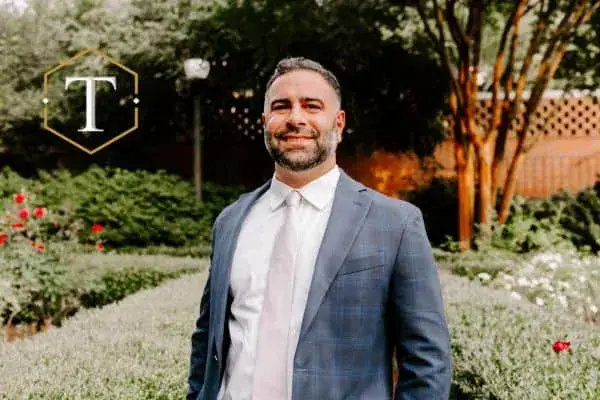
We understand how overwhelming an arrest in Five Points can feel. Whether it involves public disorderly conduct, drug possession, or a more serious allegation like assault and battery, your future is still protectable.
At Touma Law Group, we guide clients through every step of the criminal justice system, from police reports and court documents to hearings, negotiations, and trial preparation in South Carolina courts.
If you or a loved one has been arrested near the University of South Carolina or Five Points, contact Touma Law Group today. We are ready to protect your rights, your record, and your future.
Frequently Asked Questions
What should I do immediately after being arrested in Five Points?
You should stay calm, remain silent, and avoid arguing with police officers. Do not explain your situation or try to “talk your way out of it.” Instead, ask for a lawyer as soon as possible and avoid making any statements until you speak with a criminal defense attorney.
Will an arrest in Five Points show up on my record?
Yes. Even an arrest without a conviction can appear on background checks. However, depending on your case, it may be possible to have the charge dismissed, reduced, or later expunged under South Carolina law.
Can I get kicked out of the University of South Carolina for an arrest?
Not automatically, but it is possible to face school disciplinary action. USC may open a student conduct case that is separate from the criminal case, which could result in sanctions such as probation, suspension, or other penalties depending on the outcome.
What is Pre-Trial Intervention (PTI), and can I qualify?
Pre-Trial Intervention (PTI) is a diversion program in South Carolina for first-time offenders. If you successfully complete the program, your charges may be dismissed. Eligibility depends on the charge and your prior record.