Being charged with a felony can turn your life upside down almost instantly. Felony accusations often involve serious allegations such as drug crimes, violent offenses, white-collar crimes, or weapons charges, and the consequences can follow you for years. If you are facing felony charges in Columbia, South Carolina, understanding what happens next and when to speak with a criminal defense lawyer is essential.
This guide explains what to expect when you’ve been charged with a felony, how the South Carolina criminal process works, and why early legal guidance can make a meaningful difference in the outcome of your case.
What Does It Mean to Be Charged With a Felony in South Carolina?
In South Carolina, crimes are generally classified as misdemeanors or felonies. Felonies are the most serious criminal charges and typically carry the possibility of more than one year in prison, along with long-term consequences that extend beyond incarceration.
Felony charges may arise from a single serious allegation or from repeated conduct that escalates a prior offense. Even before a conviction, being charged with a felony can result in bond restrictions, travel limitations, and immediate disruptions to employment and family life.
Learn More: What Makes a Crime a Felony in South Carolina?
Difference Between a Misdemeanor and a Felony
The difference between a misdemeanor and a felony largely comes down to severity and punishment. Misdemeanors usually involve lower-level offenses and shorter jail sentences. Felonies, by contrast, are prosecuted in higher courts and carry the risk of significant prison time, permanent criminal records, and the loss of certain civil rights.
Understanding this distinction matters because it affects how your case proceeds, which court hears it, and the long-term impact of the outcome.

The Felony Criminal Process in Columbia, SC
Felony cases in Columbia follow a structured path through the South Carolina criminal justice system. While no two cases are identical, most felony matters move through the same general stages. Having an attorney by your side during this time is crucial, as they can navigate you through the legal process and ensure you are fully aware of your rights following an arrest.
Arrest, Booking, and Initial Appearance
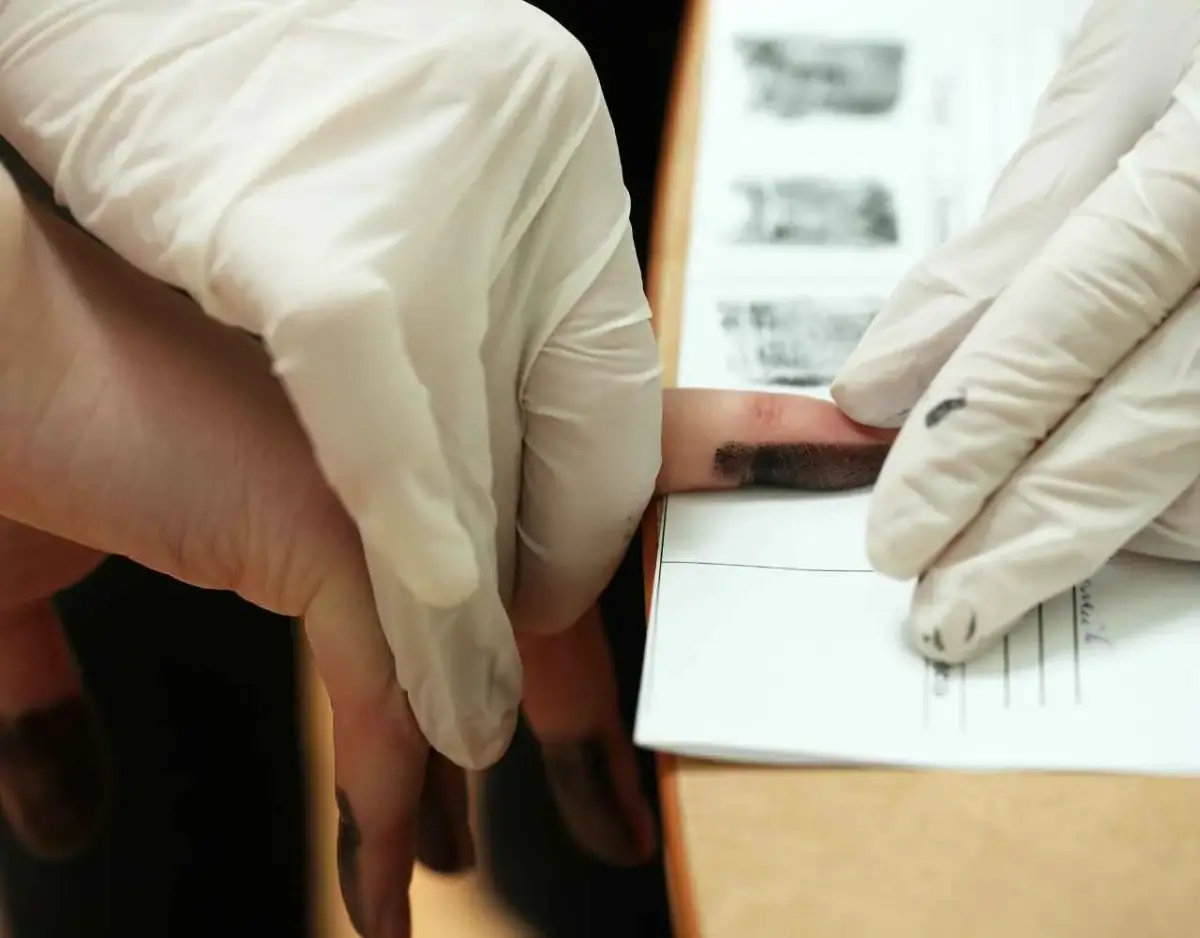
After a felony arrest in Columbia, SC, the accused is booked into jail and typically appears before a judge within the first few court days. This first court appearance is known as the initial appearance. During this hearing, the judge explains the charges, advises the defendant of their rights, and addresses bond or detention.
At this stage, prosecutors from the District Attorney’s office formally enter the case, and early legal advice is critical. Decisions made here, especially regarding bond conditions, can affect employment, family obligations, and future defense strategy.
Your First Court Appearance and Arraignment
After booking, you will have an initial court appearance before a judge. During this hearing, the court informs you of the charges, advises you of your rights, and addresses bond or bail conditions.
The arraignment is where you formally enter a plea, typically guilty, not guilty, or no contest. In most felony cases, a not-guilty plea is entered so the defense has time to review evidence, investigate the allegations, and develop a legal strategy.
The Pre-Trial Phase of a Felony Case
The pre-trial phase is often the most important part of a felony case. Much of what determines the outcome happens before a trial ever begins.
Evidence, Discovery, and Legal Motions
During pre-trial, both sides exchange evidence through discovery. This may include police reports, witness statements, body-camera footage, forensic evidence, and other materials the prosecution intends to use.
Defense attorneys may file motions to suppress evidence, challenge unlawful searches, or seek dismissal of charges. These motions can significantly weaken the prosecution’s case or even result in charges being dropped.
Plea Negotiations and Case Resolution
Many felony cases are resolved during the pre-trial stage through plea negotiations. Prosecutors and defense attorneys may discuss reduced charges or alternative sentencing options depending on the strength of the evidence and the defendant’s background.
While not every case should be resolved through a plea, understanding the risks and benefits of trial versus negotiation is a key part of an effective defense strategy.

What Happens If Your Felony Case Goes to Trial?
If a felony case is not resolved through dismissal or negotiation, it proceeds to trial. Trials are formal, high-stakes proceedings that require careful preparation.
Jury Selection and Trial Procedure
Felony trials typically involve a jury. The process begins with jury selection, where potential jurors are questioned to ensure fairness and impartiality. Once selected, the trial moves forward with opening statements, witness testimony, and presentation of evidence.
The prosecution must prove every element of the felony charge beyond a reasonable doubt. The defense challenges the credibility of witnesses, the reliability of evidence, and whether the law was followed throughout the investigation.
Verdicts and Trial Outcomes
After closing arguments and jury instructions, the jury deliberates and returns a verdict. Possible outcomes include a guilty verdict, a not-guilty verdict, or a hung jury if jurors cannot reach a unanimous decision. A guilty verdict moves the case into the sentencing phase.
Sentencing and Penalties for Felony Convictions
A felony conviction does not automatically result in the same punishment for every defendant. Sentencing depends on the specific offense, prior criminal history, and statutory guidelines.
Prison, Probation, and Financial Consequences
Felony sentences may include prison time, probation, fines, restitution, or a combination of penalties. Some offenses carry mandatory minimum sentences, while others allow judges discretion based on mitigating or aggravating factors.
Courts may also impose conditions such as counseling, treatment programs, or restrictions on movement or contact.
How Much Time in Jail for a Felony in South Carolina?
The potential jail or prison sentence for a felony varies widely. Some felony convictions carry sentences of several years, while others expose defendants to decades of incarceration. Understanding your sentencing exposure early is critical when making decisions about how to proceed.

Long-Term Consequences of a Felony Conviction
The effects of a felony conviction often last long after a sentence is completed.
Employment, Housing, and Background Checks
A felony conviction can limit job opportunities, professional licensing, and career advancement. Many employers and landlords conduct background checks, making it harder to secure stable employment or housing.
Loss of Civil Rights After a Felony
Depending on the offense, a felony conviction may impact voting rights, firearm ownership, and eligibility for certain benefits. These restrictions can affect daily life and long-term stability.
Learn More: Unlawful Possession of a Firearm in SC
Post-Conviction Options After a Felony
Even after a conviction, legal options may still exist.
Appeals and Post-Conviction Relief
If legal errors occurred during trial or sentencing, an appeal or post-conviction relief may be possible. Appeals focus on whether the law was applied correctly, not on re-arguing the facts of the case.
Record Sealing and Limited Relief Options
In some situations, individuals may qualify for record sealing or other relief that limits public access to criminal records. Eligibility depends on the offense and how the case was resolved.
Why Hiring a Columbia Criminal Defense Attorney Early Matters
Felony cases move quickly, and early decisions often shape the final outcome. Having legal representation from the start helps protect your rights, preserve evidence, and prevent costly mistakes.
An experienced Columbia defense attorney can evaluate the prosecution’s case, identify weaknesses, negotiate with prosecutors, and prepare a defense strategy tailored to your situation. Early involvement often creates opportunities that disappear later in the process.
Take Control After a Felony Charge in Columbia, SC
Facing a felony charge in Columbia, SC, is daunting, but your future isn’t set in stone. Every case stage, from arrest to court, is crucial. Early decisions impact outcomes significantly. With expert legal help, you can contest charges, safeguard your rights, and build a strong defense under SC law. A proactive approach can affect bail, evidence, plea deals, and determine if your case heads towards dismissal, reduction, or trial.
If you or a loved one has been charged with a felony in the Columbia area, don’t wait to get help. Contact Touma Law Group today at (803) 879-4499 to speak with a dedicated criminal defense attorney who understands the local courts and is ready to fight for your freedom, your record, and your future.
Frequently Asked Questions
What should I expect after being charged with a felony in South Carolina?
After a felony charge, you can expect an initial appearance, possible bond determination, and the start of the formal court process. From there, your case may involve preliminary hearings, evidence review, negotiations with the District Attorney, and potentially a jury trial or plea resolution.
How long does a felony case take in South Carolina?
Felony cases in South Carolina often take several months or longer, depending on the seriousness of the charge, court scheduling, and whether the case goes to trial. More complex cases, such as drug trafficking or violent offenses, can take significantly longer to resolve.
Will my felony case go to a jury trial?
Not all felony cases go to a jury trial. Many are resolved through plea negotiations or dismissed after motions are filed. Whether your case proceeds to trial depends on the strength of the evidence, available defenses, and legal strategy.
Can a felony charge be reduced to a misdemeanor in South Carolina?
Yes, some felony charges may be reduced to misdemeanors through plea bargaining or successful legal challenges. Charge reductions depend on the facts of the case, criminal history, and negotiations with the District Attorney.
Should I talk to a lawyer before my first court date for a felony charge?
Yes. Getting legal advice before your first court appearance is critical. Early representation allows for proper case evaluation, protection of your rights, and strategic decisions that can affect bond, charges, and long-term outcomes.