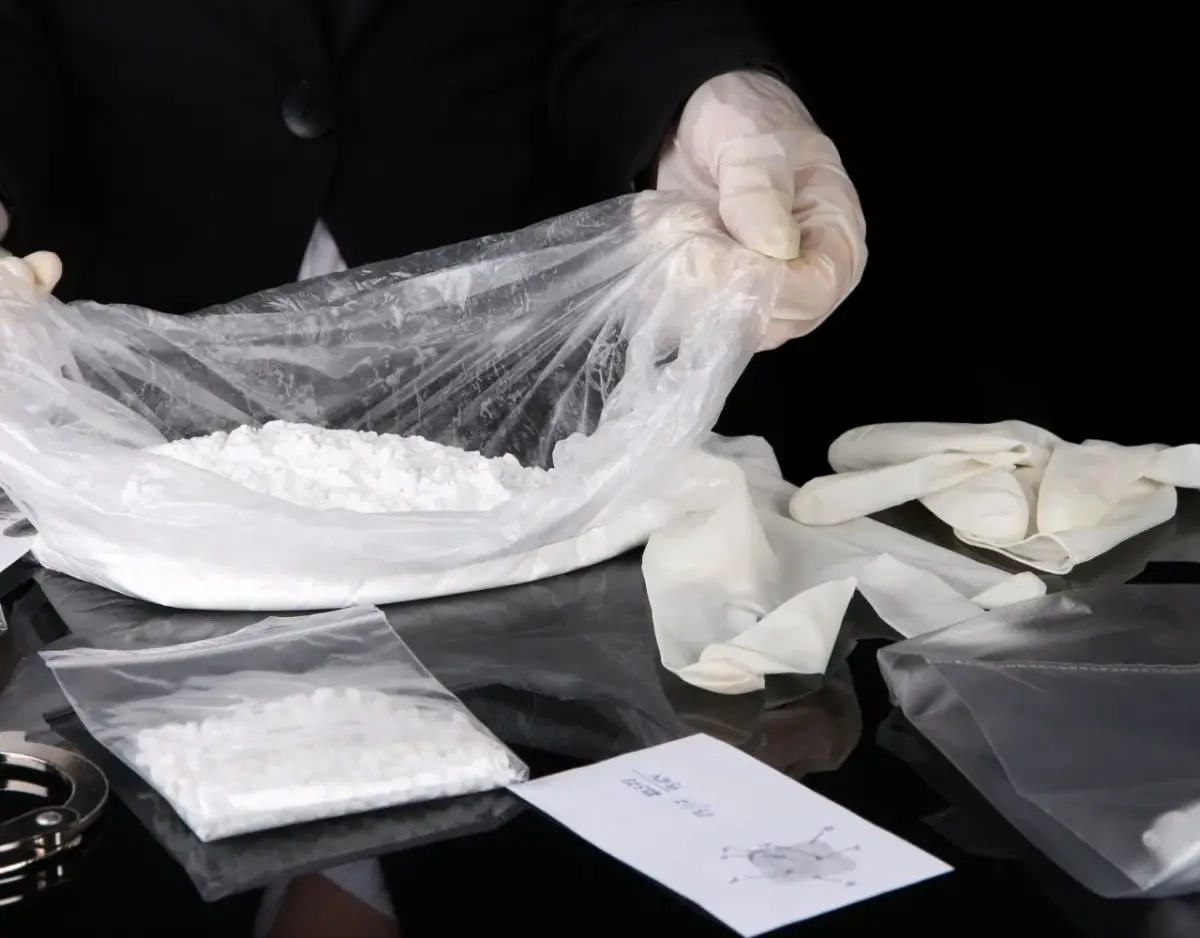
Methamphetamine is a controlled substance in South Carolina. It is listed in Schedule II of the state’s Controlled Substances Act (S.C. Code Ann. § 44-53-210), and the penalties for manufacturing it, distributing it, or possessing it with intent to distribute are set out in S.C. Code Ann. § 44-53-375(B). These are felony charges, and the penalty range depends on whether the person has prior offenses.
Touma Law Group can help you understand a charge of distribution, possession with intent to distribute, or constructive possession of methamphetamine. Call us at 864-618-2323 to schedule a free consultation with a Columbia drug charge attorney. A licensed South Carolina attorney at the firm must review the facts of your case before you rely on the general information on this page.
Possession With Intent to Distribute or Manufacturing
Under South Carolina law, it is a felony to manufacture, distribute, dispense, deliver, or purchase methamphetamine, to aid, abet, attempt, or conspire to do so, or to possess methamphetamine with intent to distribute, dispense, or deliver it (S.C. Code Ann. § 44-53-375(B)). This is different from simple possession of meth, which applies to less than one gram and is a misdemeanor for a first offense (S.C. Code Ann. § 44-53-375(A)).
The statute sets higher penalties for second and third or subsequent offenses. The sections below list the ranges. A second or subsequent offense is defined in S.C. Code Ann. § 44-53-470.

If you have been arrested for a methamphetamine-related felony, it is important to speak with a criminal defense attorney to understand your legal options.
SC Meth Manufacturing and Distribution Laws
The quantity of methamphetamine involved matters in two ways.
First, possession of one or more grams of methamphetamine is prima facie evidence of a violation of the distribution and manufacturing subsection, which means the state may rely on the weight to support the charge (S.C. Code Ann. § 44-53-375(B)). Possession of equipment or paraphernalia used to manufacture methamphetamine is prima facie evidence of intent to manufacture (S.C. Code Ann. § 44-53-375(D)).
Second, a person who knowingly sells, manufactures, delivers, purchases, or brings into the state, or who is knowingly in actual or constructive possession of, ten grams or more of methamphetamine can be charged with trafficking, which has its own penalties (S.C. Code Ann. § 44-53-375(C)). For a first offense, the statute provides:
- 10 grams to less than 28 grams: 3 to 10 years in prison and a $25,000 fine.
- 28 grams to less than 100 grams: 7 to 25 years in prison and a $50,000 fine.
- 100 grams to less than 200 grams: a mandatory 25 years in prison and a $50,000 fine.
- 200 grams to less than 400 grams: a mandatory 25 years in prison and a $100,000 fine.
- 400 grams or more: 25 to 30 years in prison and a $200,000 fine.
No part of a trafficking sentence may be suspended and probation may not be granted. Higher penalties apply for second and third or subsequent trafficking offenses. Read more about meth trafficking charges.
What is “Intent to Distribute” and How Do They Prove It?
Intent to distribute is an element of a possession with intent to distribute charge, and the state must prove it. Trafficking under § 44-53-375(C) is different, because it is based on the weight of the methamphetamine rather than on intent. Evidence the state may use to show intent includes the amount of drugs found, digital scales or baggies with residue, drug paraphernalia, and other circumstantial evidence that suggests a person was not only possessing the drugs but planning to sell them.
Because the statute treats possession of one gram or more as prima facie evidence, the weight of the drugs can matter a great deal in the state’s case. A lawyer can review how the amount, the packaging, and the other evidence fit the facts of a specific case.
What are the Penalties for the Distribution of Meth in South Carolina?
A conviction for distribution of methamphetamine or possession with intent to distribute is a felony. The statute provides for imprisonment, a fine, or both. Property used in connection with a drug offense may also be subject to forfeiture (S.C. Code Ann. § 44-53-520).
A separate felony applies to distributing, selling, purchasing, manufacturing, or possessing with intent to distribute a controlled substance within one-half mile of the grounds of an elementary, middle, or secondary school, a public playground or park, a vocational or technical school, or a college or university. It is punishable by a fine of up to $10,000, imprisonment of up to 10 years, or both (S.C. Code Ann. § 44-53-445).
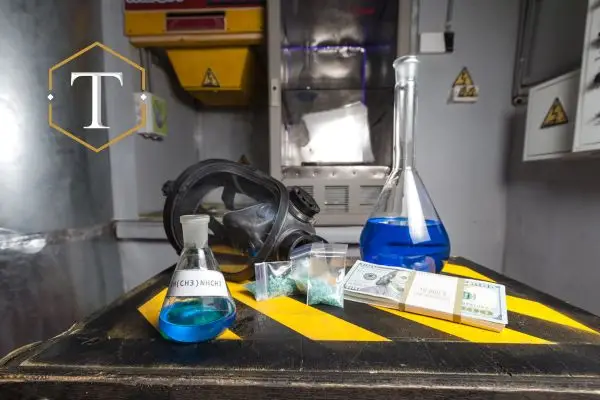
1st Offense Distribution or PWID of Methamphetamine
A first offense of distributing methamphetamine or possessing it with intent to distribute is a felony punishable by up to 15 years in prison or a fine of up to $25,000, or both (S.C. Code Ann. § 44-53-375(B)(1)).
FAQ: What are the penalties for trafficking meth in Columbia, South Carolina?
A person sentenced for a first or second offense under this subsection may have the sentence suspended and probation granted (S.C. Code Ann. § 44-53-375(B)).
2nd Offense Distribution or PWID of Methamphetamine
A second offense is punishable by 5 to 30 years in prison or a fine of up to $50,000, or both (S.C. Code Ann. § 44-53-375(B)(2)).
3rd Offense and Greater Distribution or PWID of Methamphetamine
A third or subsequent offense is punishable by 10 to 30 years in prison or a fine of up to $50,000, or both (S.C. Code Ann. § 44-53-375(B)(3)).
For a third or subsequent offense, the sentence may not be suspended and probation may not be granted unless every prior offense was a simple possession offense under § 44-53-375(A) (S.C. Code Ann. § 44-53-375(B)).
Defending Yourself against PWID Charges in SC
If you are charged with possession with intent to distribute methamphetamine in South Carolina, a lawyer can review the evidence and the ways the state may try to prove its case. The defenses available depend on the facts.
- Intent to distribute: The state must prove intent. A lawyer can review whether the amount, the packaging, and the other evidence support the charge, including the one-gram inference described above.
- Possession and knowledge: The state must prove that you had the right and power to control the drugs, and that you knew about the drugs and intended to control them (State v. Stewart, Opinion No. 28029 (S.C. 2021)). That can matter when drugs are found in a shared home or vehicle.
- The search: The Fourth Amendment protects against unreasonable searches and seizures (U.S. Const. amend. IV). A lawyer can review whether the stop, the search, or the warrant was lawful.
- Other issues: A lawyer can also review lab testing, evidence handling, and whether defenses such as entrapment apply to the facts.
These are general examples and not a prediction about any case. Seek legal counsel if you are facing PWID charges in South Carolina.
Call Touma Law Group Today
If you or someone you know has been charged with the distribution of methamphetamine in South Carolina, it is important to contact a criminal defense lawyer right away. A conviction can carry a long prison sentence and large fines, as the statute described above shows.
Touma Law Group represents people charged with distribution or possession with intent to distribute methamphetamine and other controlled substances in South Carolina. Our Columbia defense attorneys can review the facts of your case and explain your options. A licensed South Carolina attorney at the firm must review those facts before you rely on any general information.