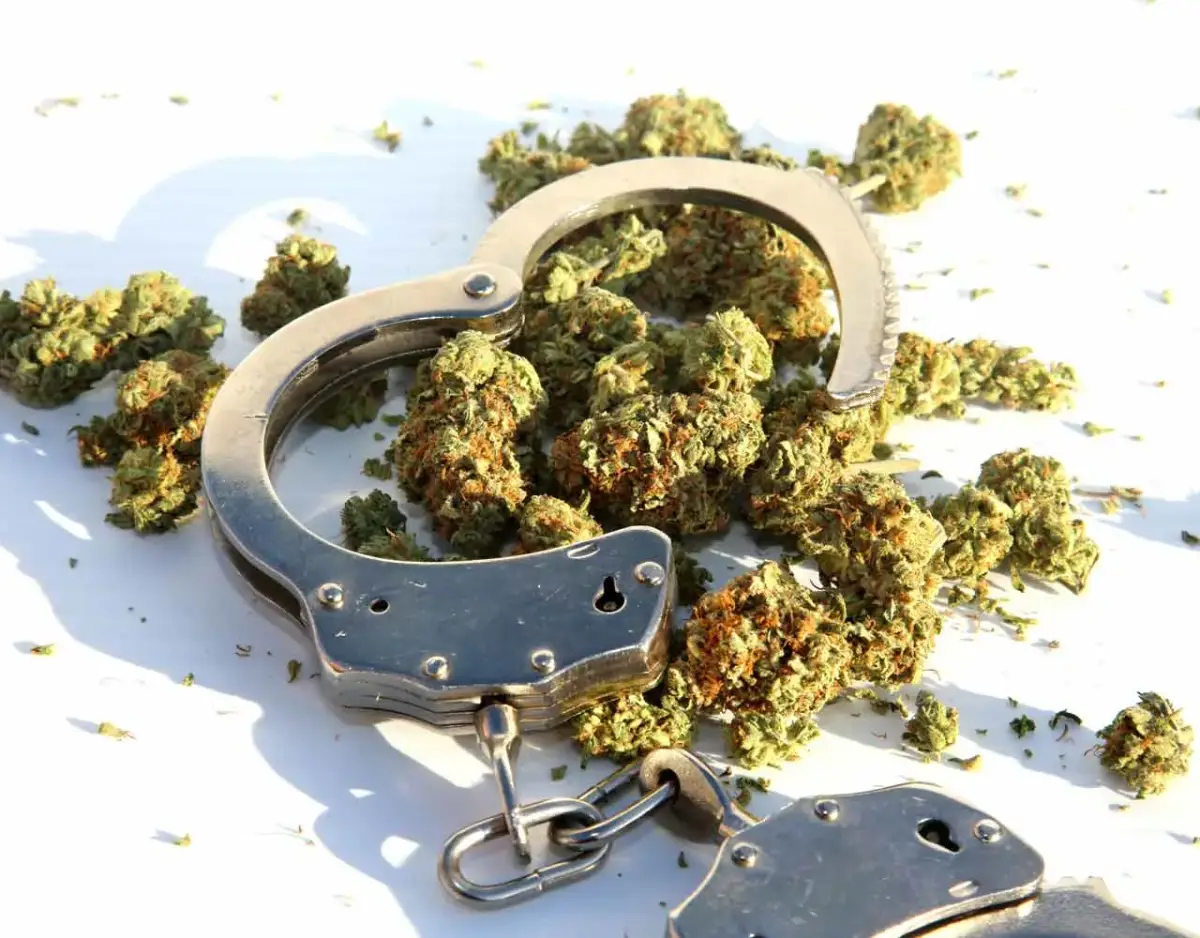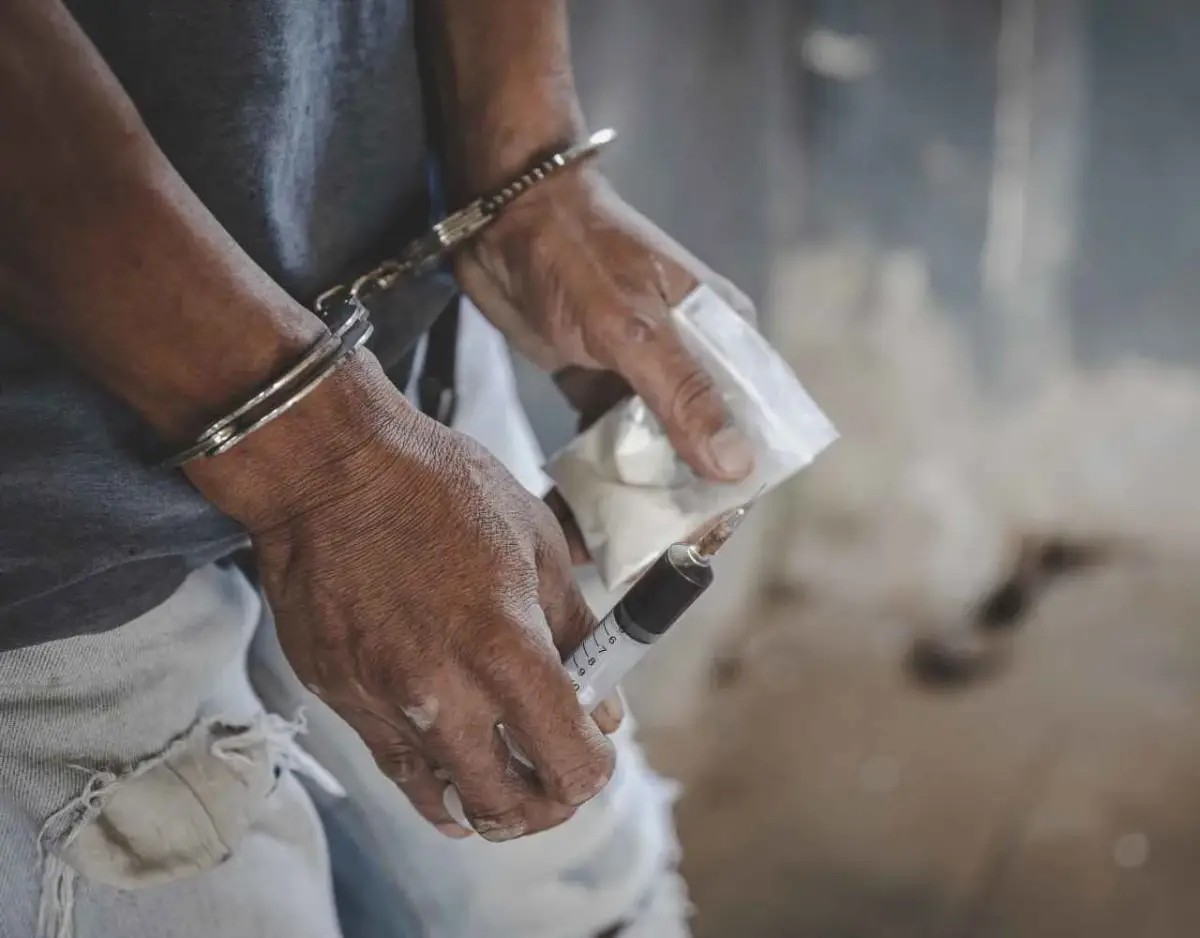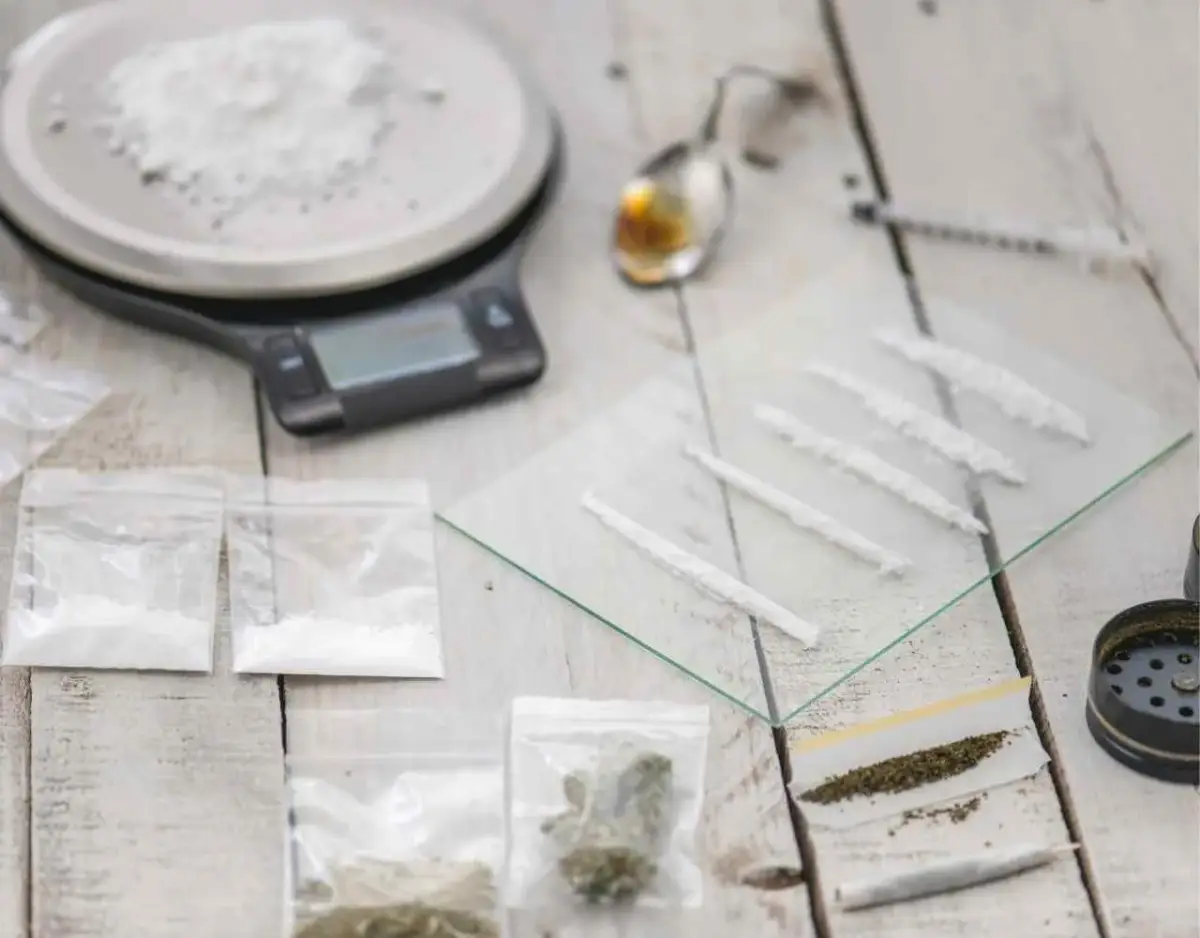
A pipe in a cup holder. A plastic spoon with residue. A scale in a kitchen drawer. In Columbia, any one of those can turn a routine traffic stop into a drug charge.
Touma Law Group handles drug paraphernalia cases from our Columbia office for clients across Richland and Lexington counties. Here is what state law says, why the fine is rarely the only concern, and why you should contact a Columbia drug lawyer as soon as possible.

Why a Paraphernalia Charge Inside Columbia City Limits Can Be More Serious
State law makes it unlawful to possess drug paraphernalia, but it sets only a civil penalty. S.C. Code Ann. § 44-53-391 provides a civil fine of not more than $500 for an individual, or not more than $50,000 for a corporation, and says that imposing the fine does not give rise to any disability or legal disadvantage based on conviction for a criminal offense.
Inside Columbia, that is not the whole picture. On August 15, 2023, the City Council adopted Ordinance No. 2023-081, which added Article XII, Drug Paraphernalia, to the city code. Section 14-353 makes it unlawful to use, or possess with intent to use, drug paraphernalia within the corporate limits of the city, and Section 14-355 sets the penalty at a fine of not more than $500 or imprisonment for not more than 30 days, as the ordinance was adopted.
The same conduct can be treated differently depending on who writes the ticket. A state citation carries a civil fine. A city charge carries possible jail time and is heard in Columbia Municipal Court, because municipal courts have jurisdiction over cases arising under the city’s ordinances (S.C. Code Ann. § 14-25-45). Which one you face should be shown on your paperwork.
Related: Read about the options for drug charges.
What Counts as Paraphernalia and What Doesn’t
South Carolina law defines paraphernalia as any instrument, device, article, or contrivance used, designed for use, or intended for use in ingesting, smoking, administering, manufacturing, or preparing a controlled substance (S.C. Code Ann. § 44-53-110). The definition says it includes, but is not limited to:
- Metal, wooden, acrylic, glass, stone, plastic, or ceramic marijuana or hashish pipes
- Water pipes designed or intended for use with marijuana, hashish, hashish oil, or cocaine
- Carburetion tubes and devices, smoking and carburetion masks, and roach clips
- Cocaine spoons and vials, chamber pipes, carburetor pipes, electric pipes, air-driven pipes, chilams, bongs, and ice pipes or chillers
The definition does not include cigarette papers or tobacco pipes. It also does not include rapid fentanyl test strips, or testing equipment or devices solely used, intended for use, or designed to determine whether a substance contains fentanyl or its analogues (S.C. Code Ann. § 44-53-393). Because the list is not limited to the items named, the question in a given case is whether the object was used, designed for use, or intended for use with a controlled substance.

Ordinary Objects Become Evidence Because of Context
Nothing about a plastic sandwich bag, a plastic spoon, or a kitchen scale is illegal by itself. The charge turns on what the State can connect the item to.
State law tells courts what to consider, in addition to all other logically relevant factors. They include statements by an owner or anyone in control of the object about its use, how close the object was to controlled substances, whether there is residue of controlled substances on it, and the existence and scope of legitimate uses for the object in the community (S.C. Code Ann. § 44-53-391(b)). Those factors turn on the circumstances, not just the object, which is why what you say at the scene matters.
Possession rules work as they do in other drug possession cases. Actual possession means the item was on you. Constructive possession means the State argues you had dominion and control over the item, or the right to exercise it, such as in a center console, a motel room nightstand, or a shared apartment. Courts have said that possession requires more than mere presence (State v. Muhammed). Read more about constructive possession in South Carolina.
How These Cases Begin and Why the Search Matters
A paraphernalia charge can start with a traffic stop, a disturbance or public consumption call downtown, or officers entering a room for another reason. The paraphernalia may be only the starting point. Officers can point to an item in plain view as part of the probable cause they claim for expanding a search, and that search is where more serious drug charges can come from. Fourth Amendment law governs whether the stop was lawful, whether officers extended it beyond its purpose (Rodriguez v. United States, 575 U.S. 348 (2015)), and whether a plain view claim is valid. For plain view, the incriminating character of the object must be immediately apparent and the officer must have a lawful right of access to it (Horton v. California, 496 U.S. 128 (1990)).
Related: If you have a simple possession charge, contact our Columbia office today.
Where Columbia Cases Are Heard
Where the incident happened determines which court and prosecutor’s office handle the case.
- City ordinance charges go to Columbia Municipal Court.
- Richland County is in the Fifth Judicial Circuit, which is made up of Kershaw and Richland counties (S.C. Code Ann. § 14-5-610).
- Lexington County is in the Eleventh Judicial Circuit, which is made up of Lexington, McCormick, Saluda, and Edgefield counties (S.C. Code Ann. § 14-5-610).
- Magistrates have jurisdiction over offenses that carry a fine of up to $500, imprisonment of up to 30 days, or both (S.C. Code Ann. § 22-3-550). More serious offenses go to General Sessions Court.
Each circuit solicitor must establish a pretrial intervention program (S.C. Code Ann. § 17-22-30). Whether you qualify turns on the charge, your record, and the solicitor’s office handling the file.
Why $500 Is Not the Only Concern
A paraphernalia charge can still appear in records that employers, landlords, and schools review, even though the statute says the civil fine carries no criminal conviction disability. It can also raise questions with a licensing board, depending on its rules. If a possession or distribution charge is pending from the same incident, talk with a lawyer before you pay a citation or enter a plea, so you understand how one outcome may affect the other.
Before You Pay the Ticket or Enter a Plea
- Read the citation and confirm whether it is a state or city charge.
- Stop discussing the case, including by text.
- Ask about body camera and dash camera video before it is overwritten.
- Write down the timeline, then talk to a lawyer before your court date.
A charge is not a conviction. A lawyer can review the incident report, the citation, and any video, then look at how the stop began, whether the search was lawful, and whether what was seized meets the state definition at all.
Talk to Our Columbia Office
If you are facing a drug paraphernalia charge in Columbia, Richland County, or Lexington County, we will review what happened and explain where you stand. Adam Touma is a founding partner of Touma Law Group. He previously clerked for a judge in the Thirteenth Judicial Circuit and served as an Assistant Public Defender in Greenville County.
Call our Columbia defense lawyer at (803) 879-4499 and ask for a free case review today.
State law makes it unlawful, but S.C. Code § 44-53-391(c) sets only a civil fine of up to $500 for an individual, and says the fine does not create the disabilities that follow a criminal conviction. Inside Columbia city limits, a city ordinance makes use or possession with intent to use punishable by up to 30 days in jail or a $500 fine.
You can be charged, which is not the same as the State proving it. Prosecutors use constructive possession to argue you had dominion and control over an item, or the right to exercise it. Shared cars, apartments, and motel rooms create real disputes.
It can. The statute says the civil fine creates none of the legal disadvantages of a criminal conviction, but charges can still appear in records employers, landlords, and schools review.
No. S.C. Code § 44-53-393 excludes rapid fentanyl test strips, and equipment designed solely to detect fentanyl or its analogues, from the definition of drug paraphernalia.